
2 Nov bird survey
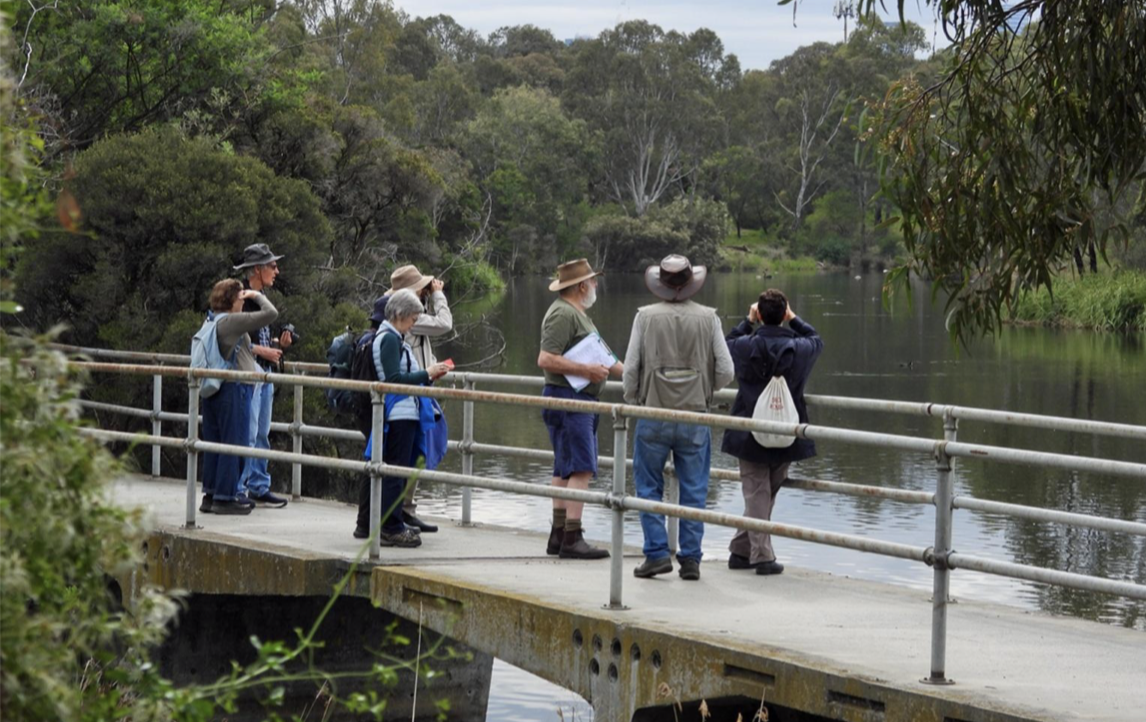
The wet spring continues; accordingly, water levels are very high. As the day was cold and overcast, with light rain later, many land-based birds remained undercover with a lower count than we would have achieved in more favourable weather conditions.
Obviously, water birds (other than shorebirds) have been breeding, thanks to the higher than usual water levels and abundant food. Actively breeding species include Black Swan, Chestnut Teal, Pacific Black Duck, Purple Swamphen, Dusky Moorhen and Eurasian Coot.
Some bush birds are also breeding or showing signs of doing so, such as Willie Wagtails and Magpie-larks. A Willie Wagtail was seen on a nest today, which suggests that another brood is on the way. It was noted that a very high proportion of the male Superb Fairy-wrens seen today were in full blue plumage. Although this suggests that habitat conditions are optimal, it is too early to predict this will lead to a high level of breeding activity. We should get a better idea over the next few weeks.
The survey group is concerned about two Nankeen Night-heron carcasses found in the park last month, initially thought to be the work of foxes. It appears strange to find two deceased Nankeen Night Herons, as they are alert birds whether its day or night. Therefore, the chance of them being on the ground and successfully ambushed by a fox or other predator such as a cat or dog is highly unlikely, unless the herons happen to be ill and not alert or quick enough to avoid danger. On that basis it makes me wonder whether they came down with H5 N1 (or some other disease?), died and after that were scavenged by a fox or birds such as ravens.
It is recommended to call the Emergency Animal Disease Hotline on 1800 675 888 and explain these deaths and our observations to them.
This year several locations in the park have been set alight by arsonists. Whilst this has troubled all the numerous volunteers who work in the Park, the vegetation is showing good recovery in many of the affected areas.