Dec bird survey
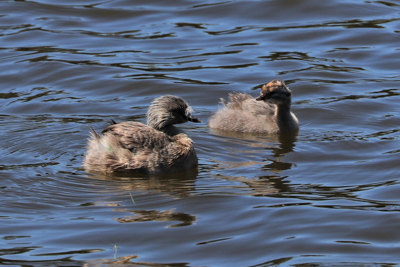
The large Freshwater and Saltwater lakes have risen lately, which suits diving feeders, such as Hardheads, Australasian Grebes and Hoary-headed Grebes – suggesting aquatic invertebrates and other small prey are plentiful in the former. With several eucalypts flowering lightly, numerous nectar feeders are present, especially Rainbow Lorikeets,…
Flowering now
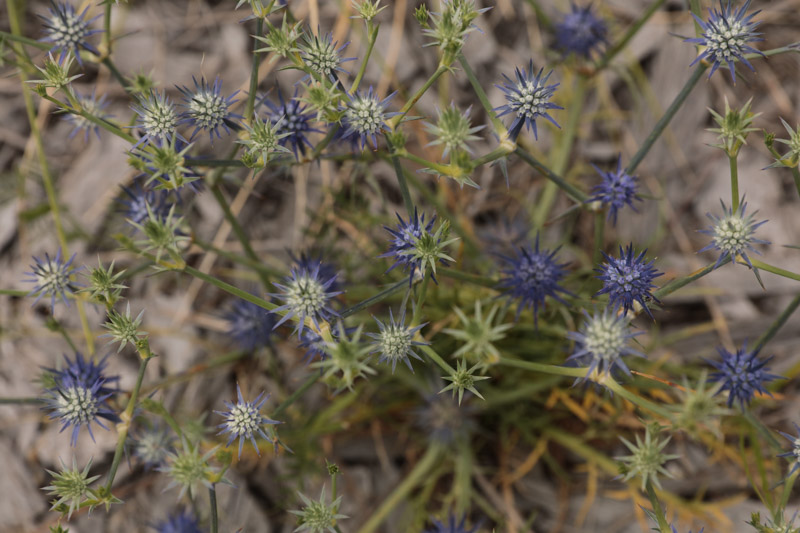
Westgate Park is quite dry despite the relatively cool weather. Most plants have finished flowering now and we are busy collecting seed. Here are some still in bloom in the Southern Wetlands
New Manager
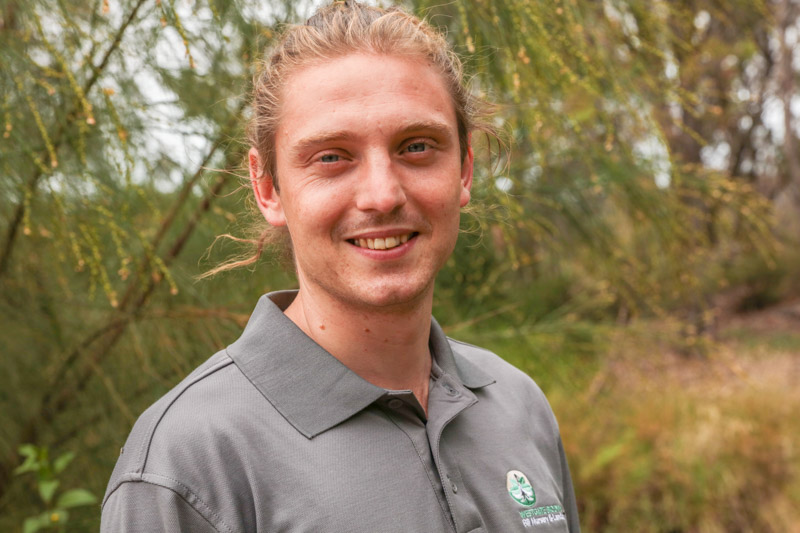
We are delighted to announce Nicholas Brinkley’s appointment as Westgate Biodiversity’s Manager. He comes with excellent credentials in nursery management and a passion for the environment and revegetation. He has also worked with people with intellectual disabilities and is into botanical rarities, including carnivorous…
Our first photography workshop

Many beautiful photographs have been taken of Westgate Park but few have taken of the area after dark. This night time photography workshop is for beginners who have cameras that can be used in manual mode – preferably DSLRs. We will start indoors at…
Bili Nursery summer hours
From Nov to end Feb, Bili Nursery retail will only trade on Fridays – 10am to 4pm or by appointment (phone 9645 2477). Saturday retail will resume in March. Here’s why: The hot, dry conditions in Melbourne in late spring/summer mean there is less…
AGM invitation: 27 Nov
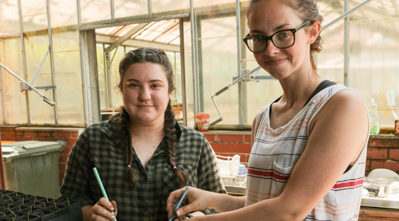
You are invited to the Annual General Meeting of the Westgate Biodiversity: Bili Nursery & Landcare Inc., held on Wednesday November 27th, 2019 at Port Ed, 343-383 Lorimer Street, Port Melbourne (under the Port Control Tower) beginning at 6.30 pm. A light meal and…
Pollinators project findings
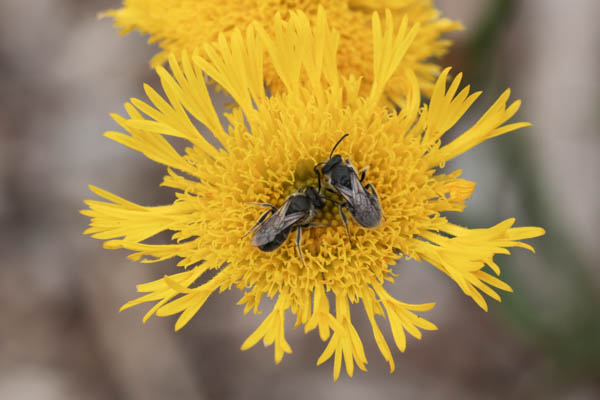
You are invited to the final workshops in our Providing for Pollinators project at which RMIT researchers will present the findings.
Field Naturalists visit
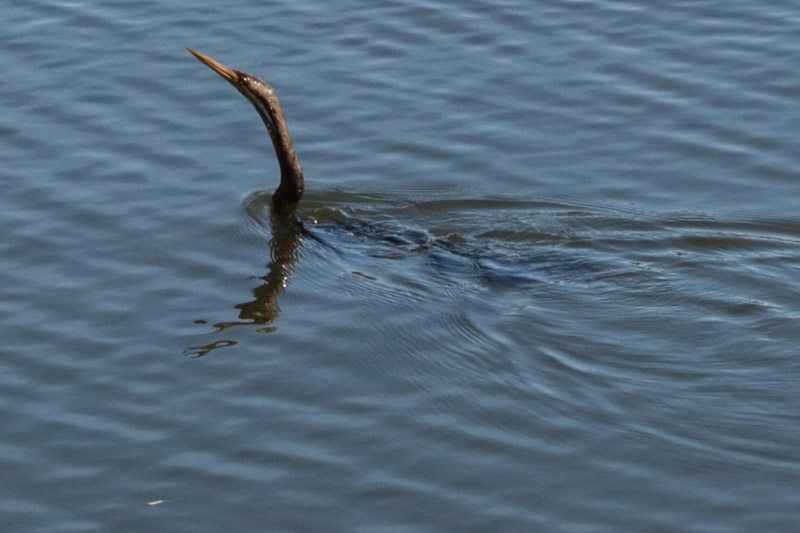
We were delighted to have participants in the Field Naturalists Club of Victoria Symposium come to Westgate Park for a Field Trip. After a long walk through the Park we paused at the Freshwater Lake lookout where firstly an Australian Darter and then a…
Best friends Award
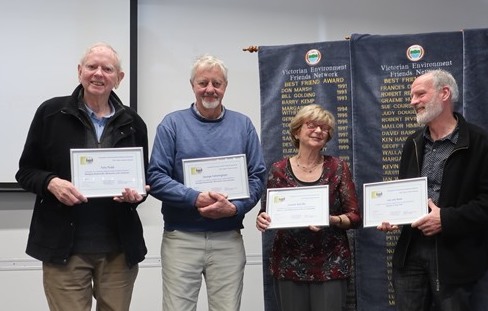
Tony and George shared the Victorian Environment Friends Network Best Friends Award 2019, supported by a contingent of members of Westgate Biodiversity. Here’s how their contribution was described: George provides the knowledge base in how, what and where to plant. He also knows all…