About our insects
Westgate Park covers ~40 hectares and a third of this area is planted with indigenous species over the last three decades making this park increasingly biologically diverse. Estimates suggest there are more than 200.000 species of insects in Australia but only 1/3rd have so far been described.
Insects are important because of their diversity and ecological roles. Insects create the biological foundation for all terrestrial ecosystems. They cycle nutrients, pollinate plants, disperse seeds, maintain soil structure and fertility, control populations of other organisms, provide a major food source for other taxa, dispose of waste and control pests. For example:
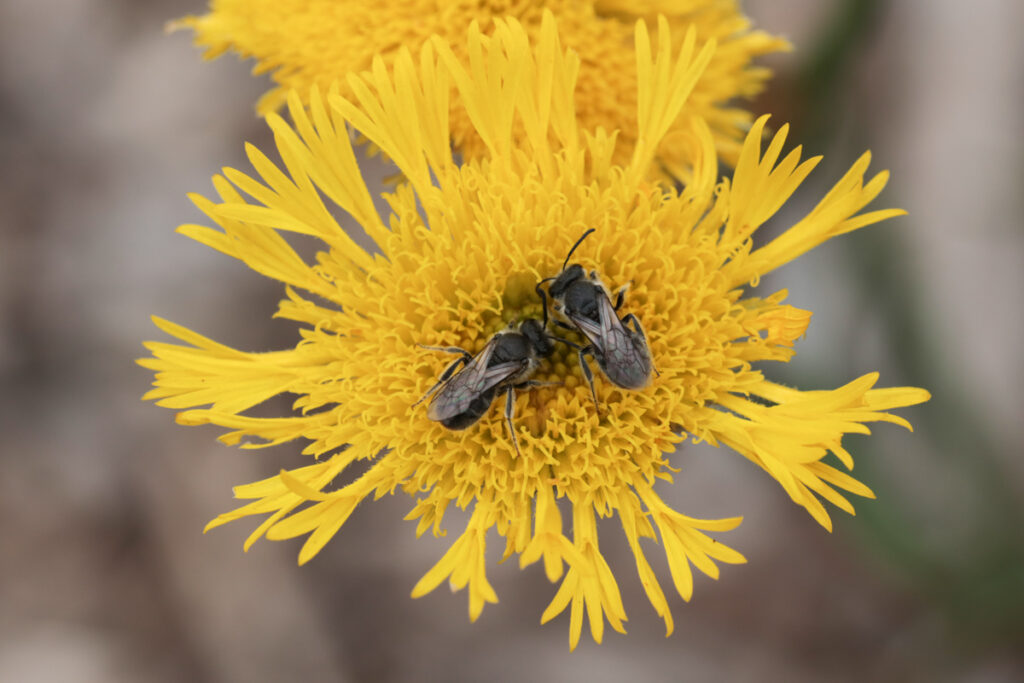
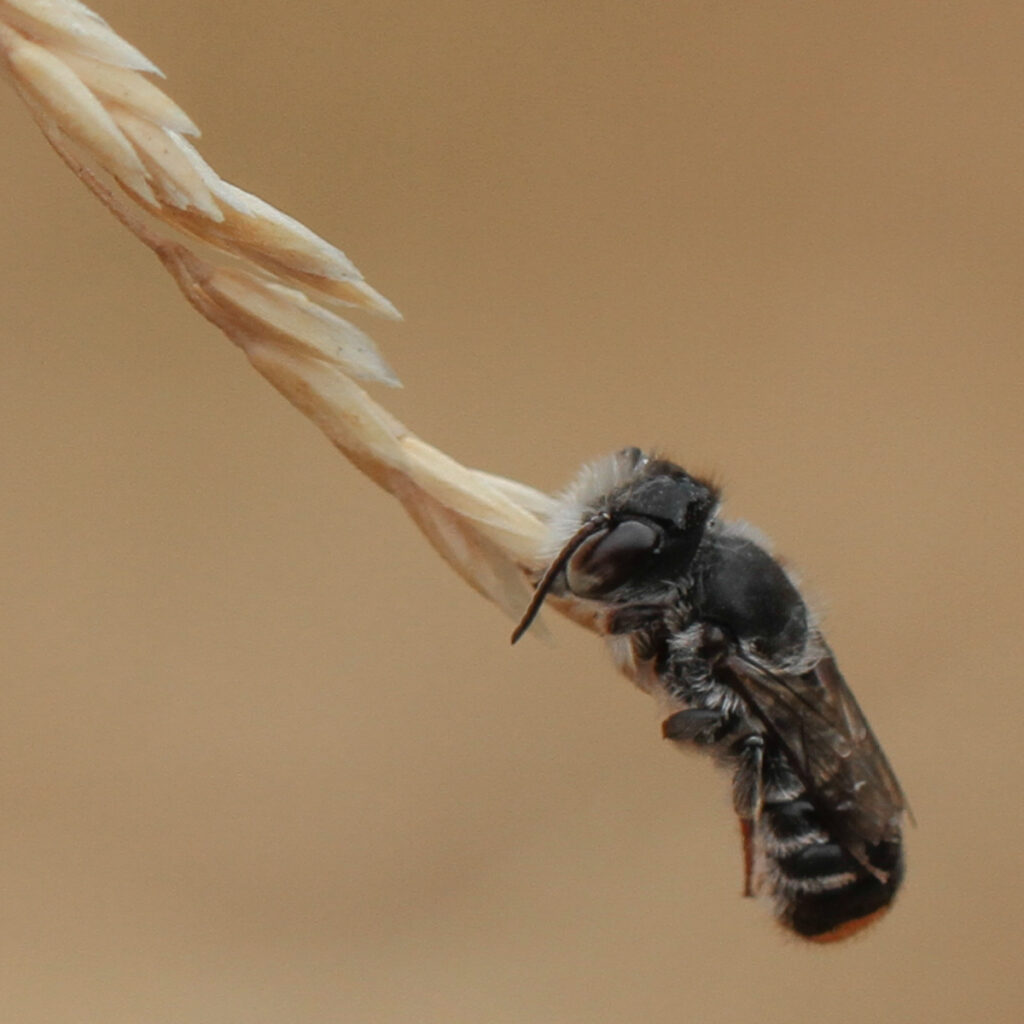
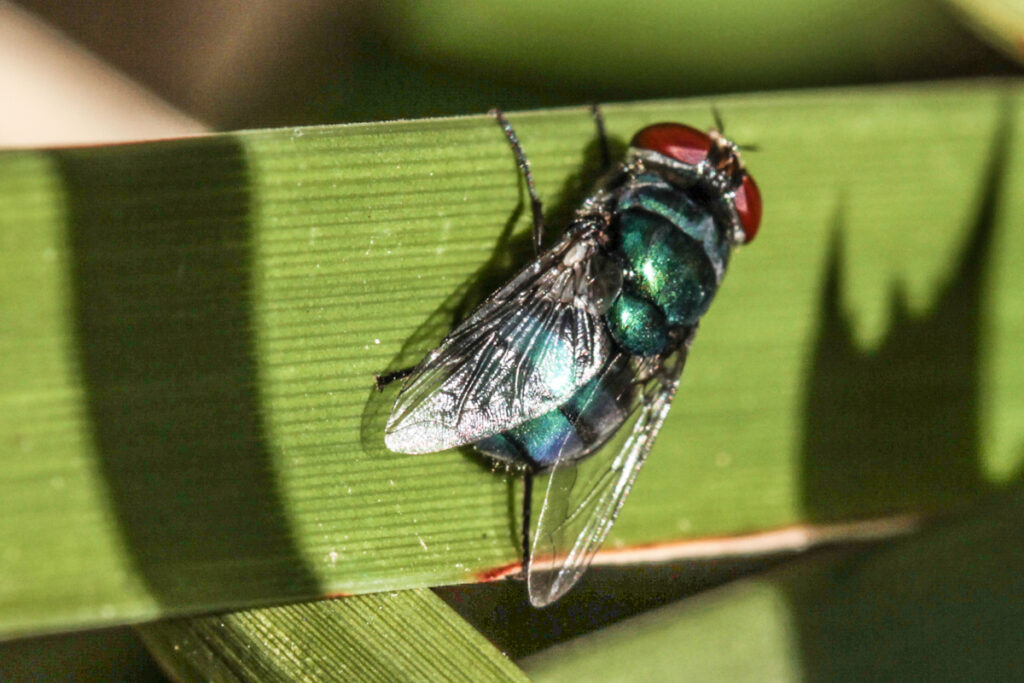
- Native bees, butterflies, moths, flies and beetles pollinate flowers and help native plants produce seed and fruit.
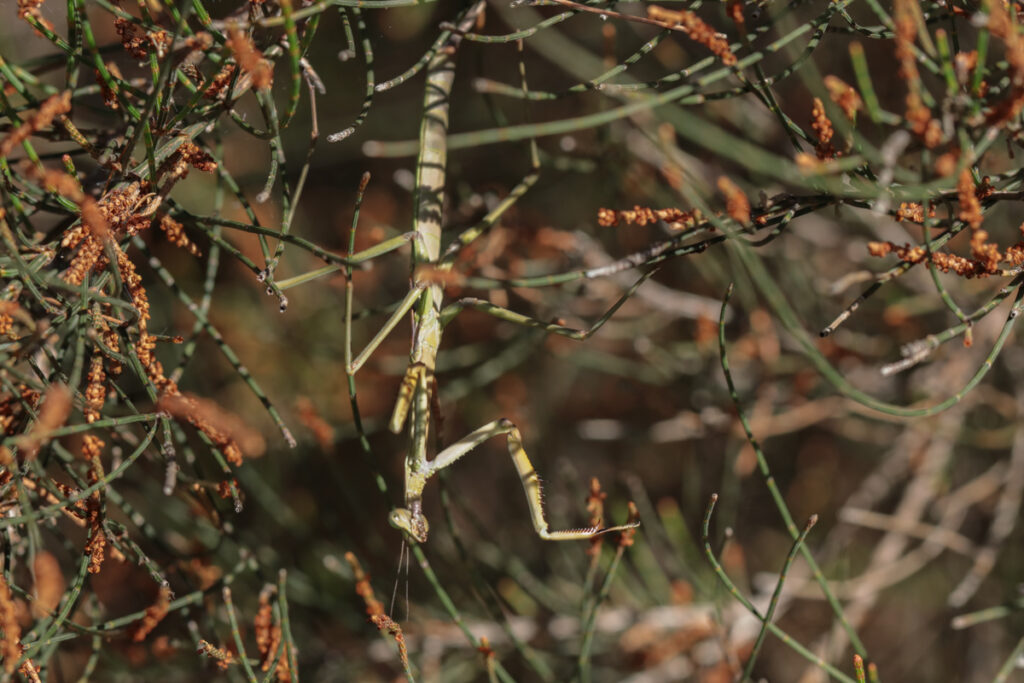
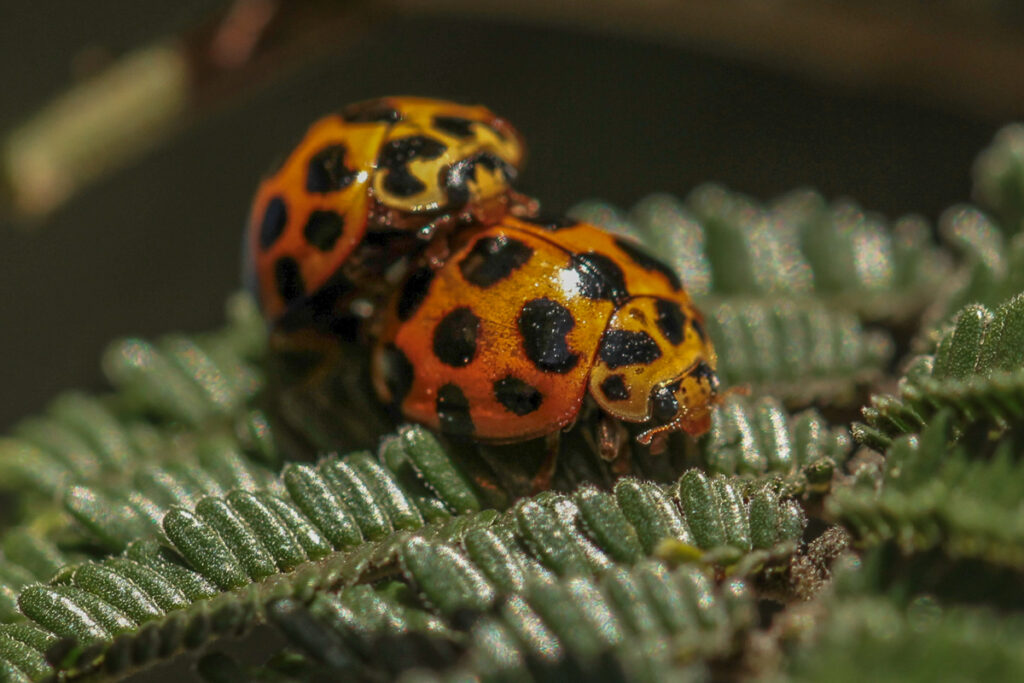
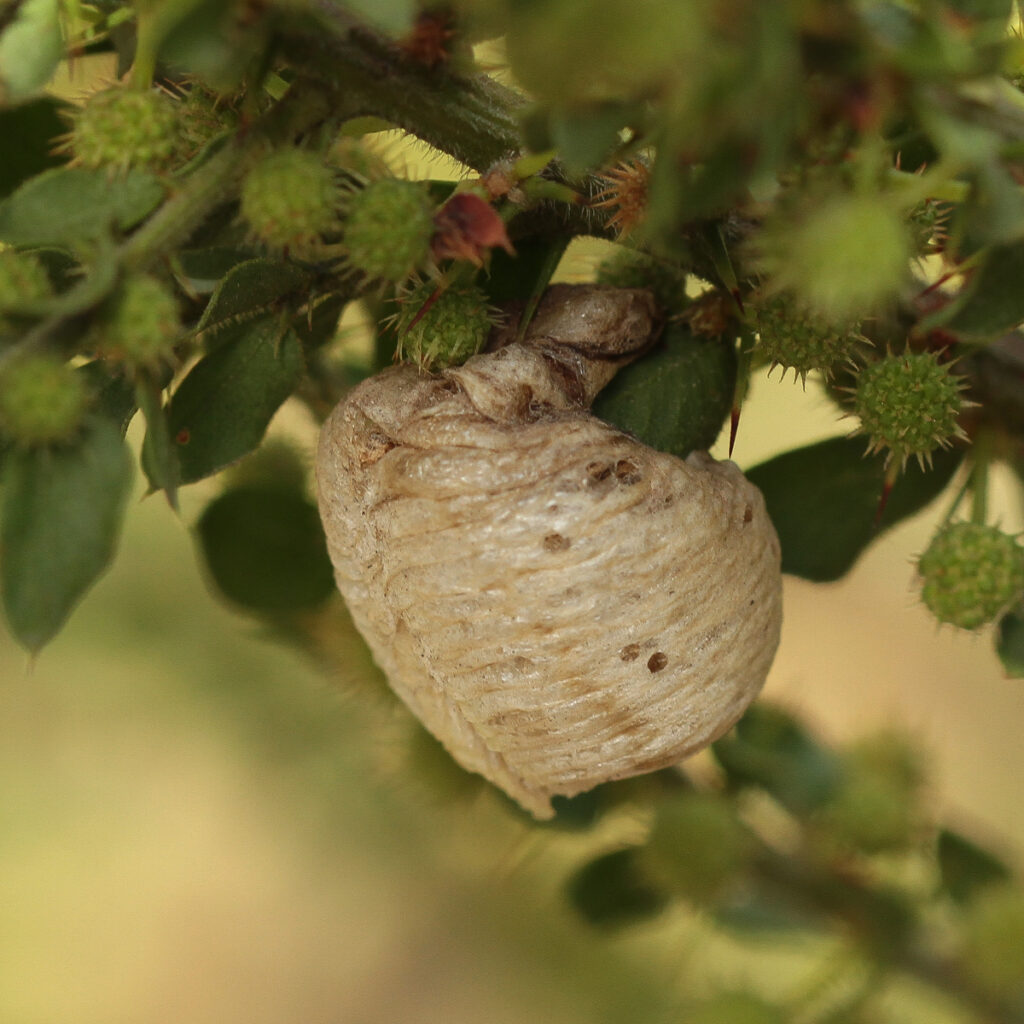
- Beneficial insects like ladybugs, praying mantises and wasps keep pest populations in check.
- Some beetles break down organic matter, enrich the soil with nutrients and promote better soil structure.
- Insects are also food sources for native birds, frogs, lizards and mammals.
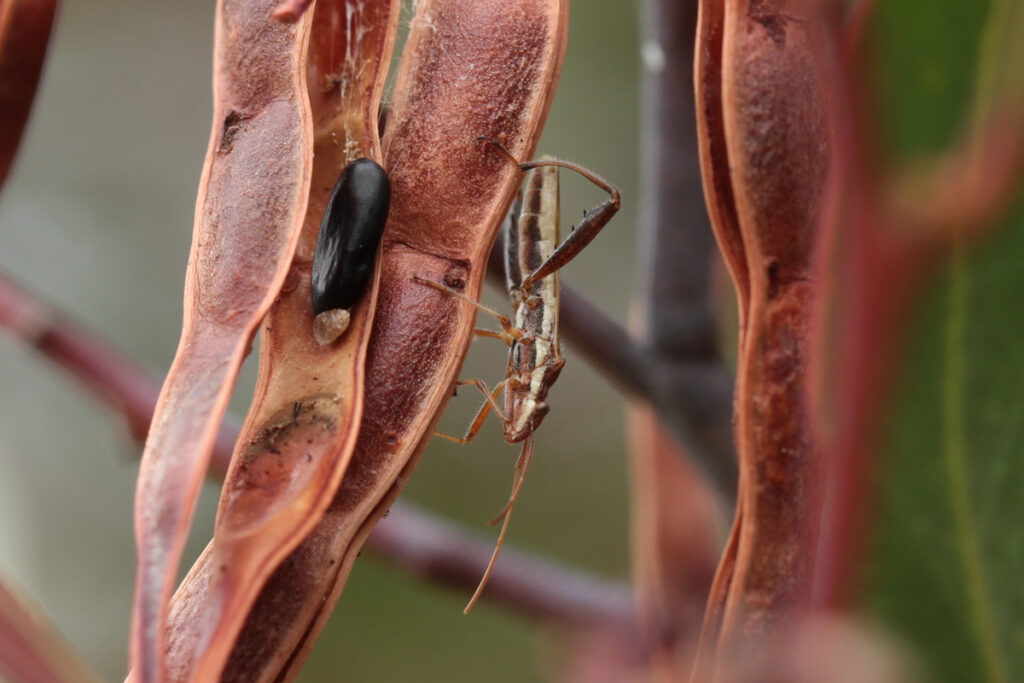
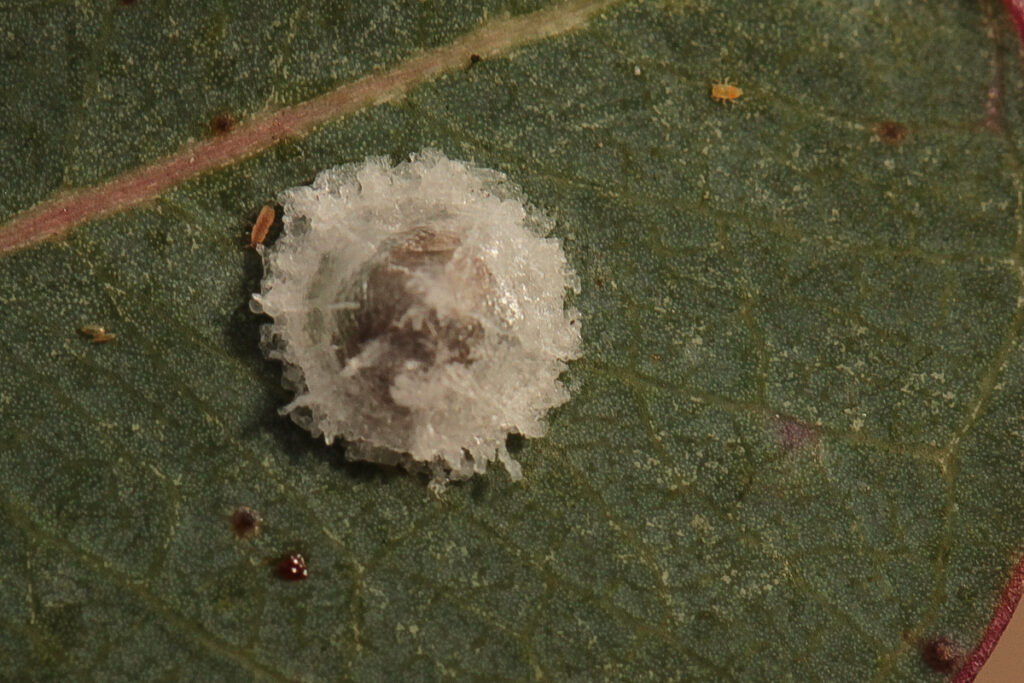
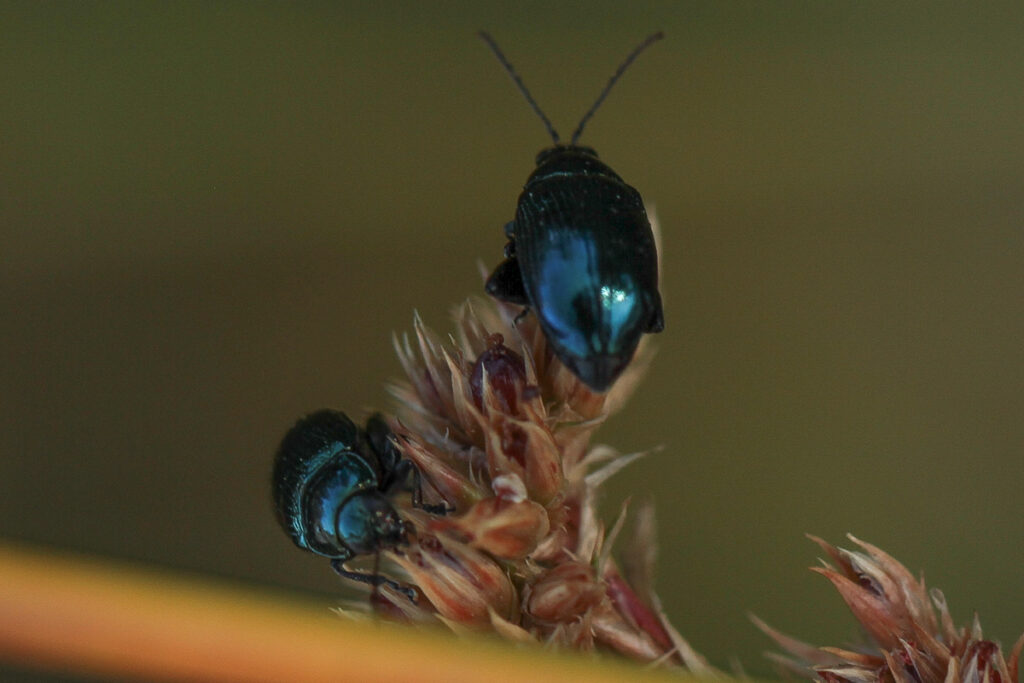
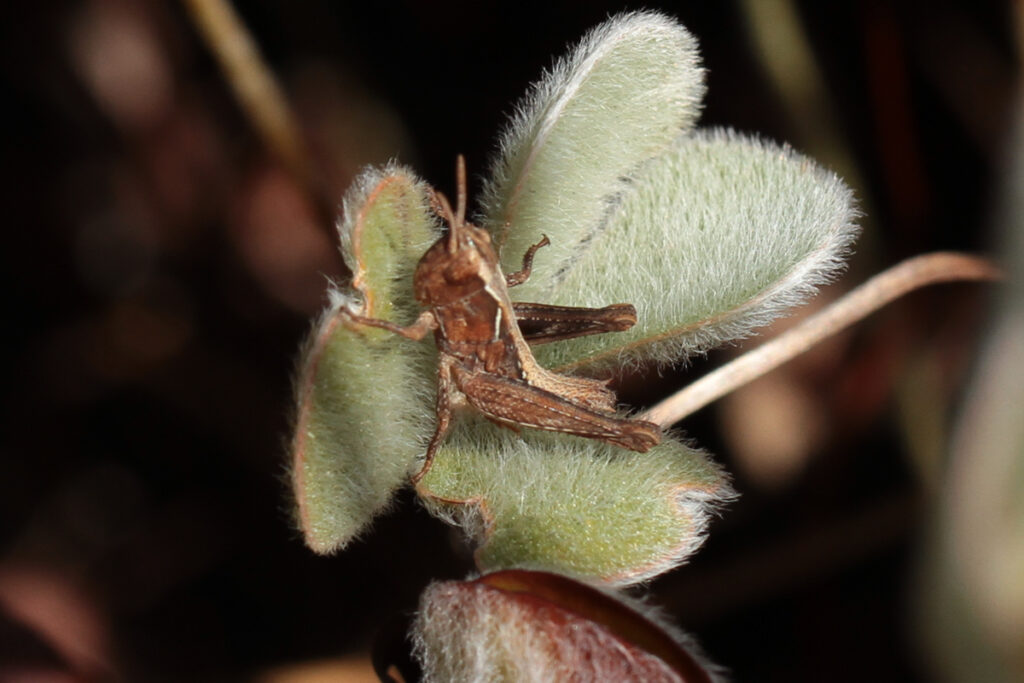
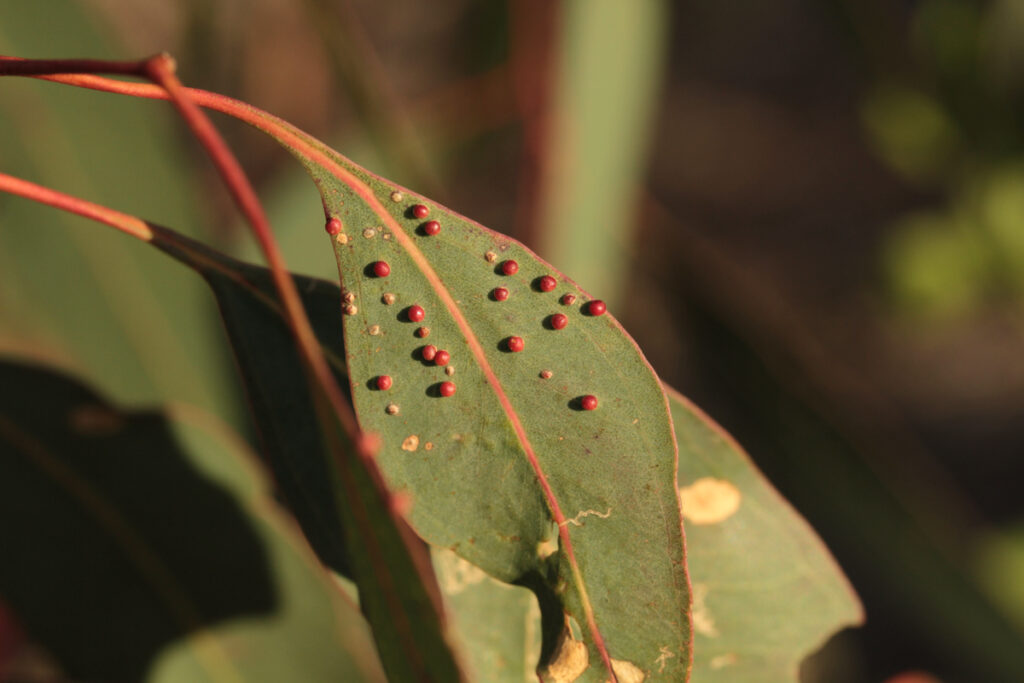
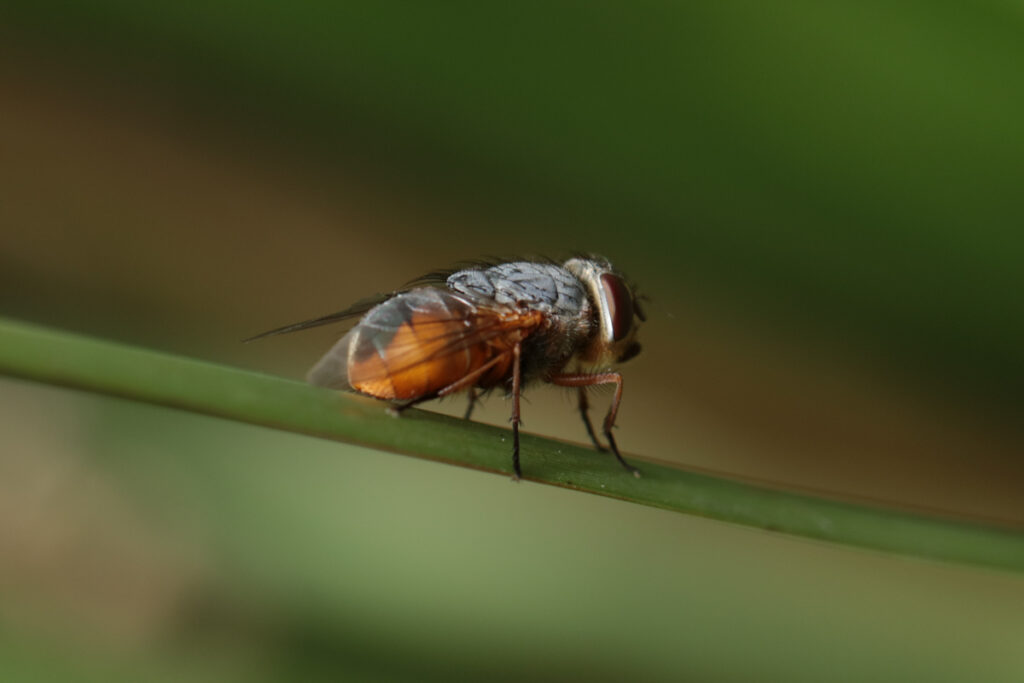
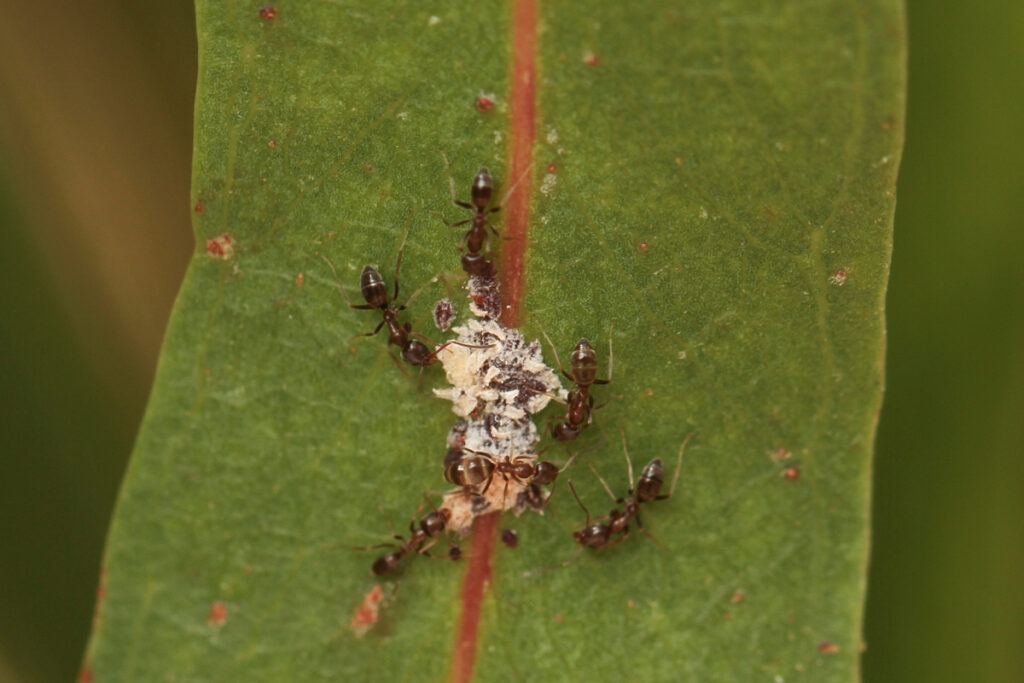
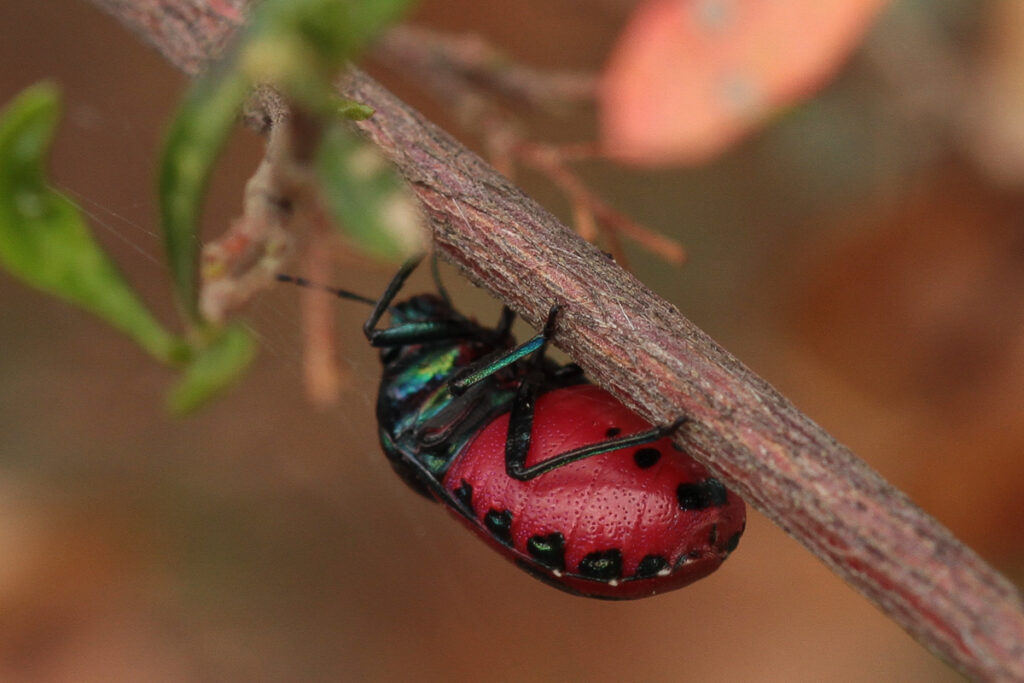
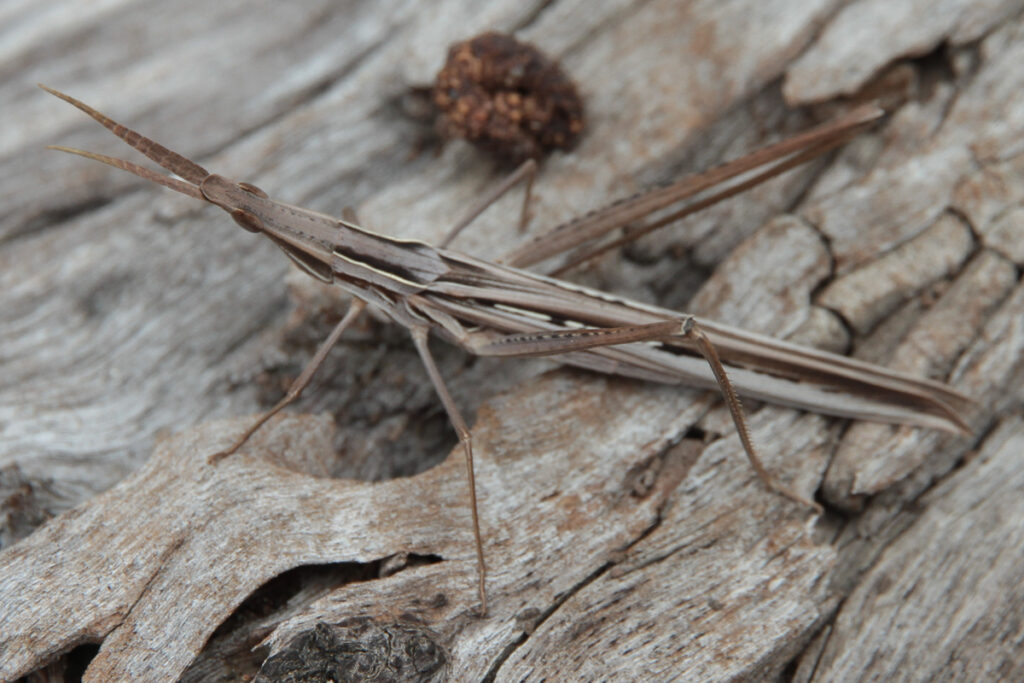
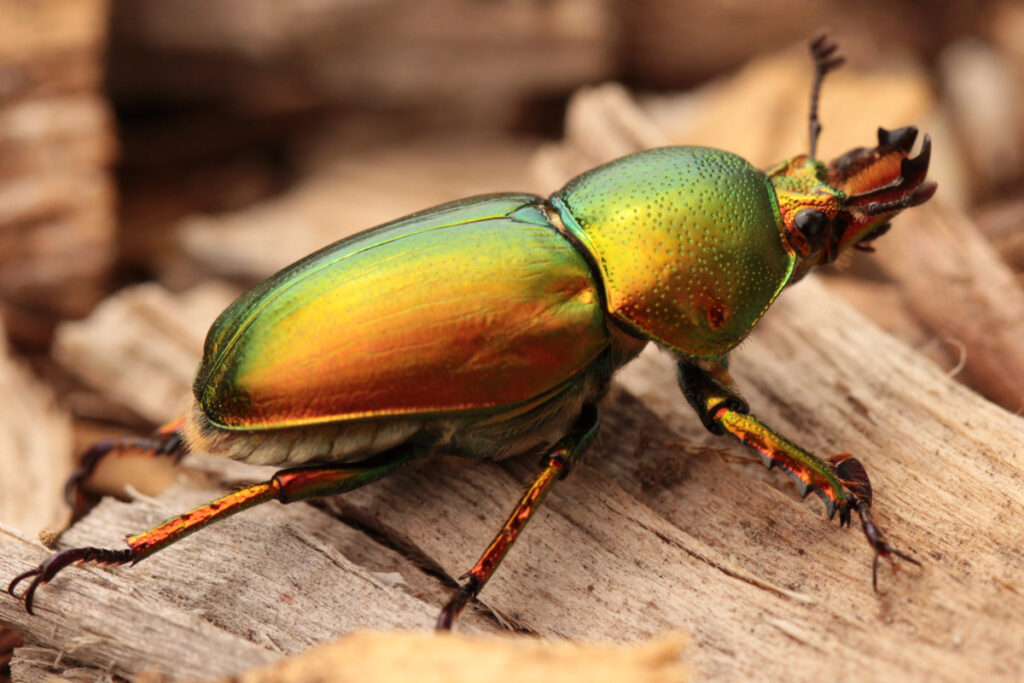
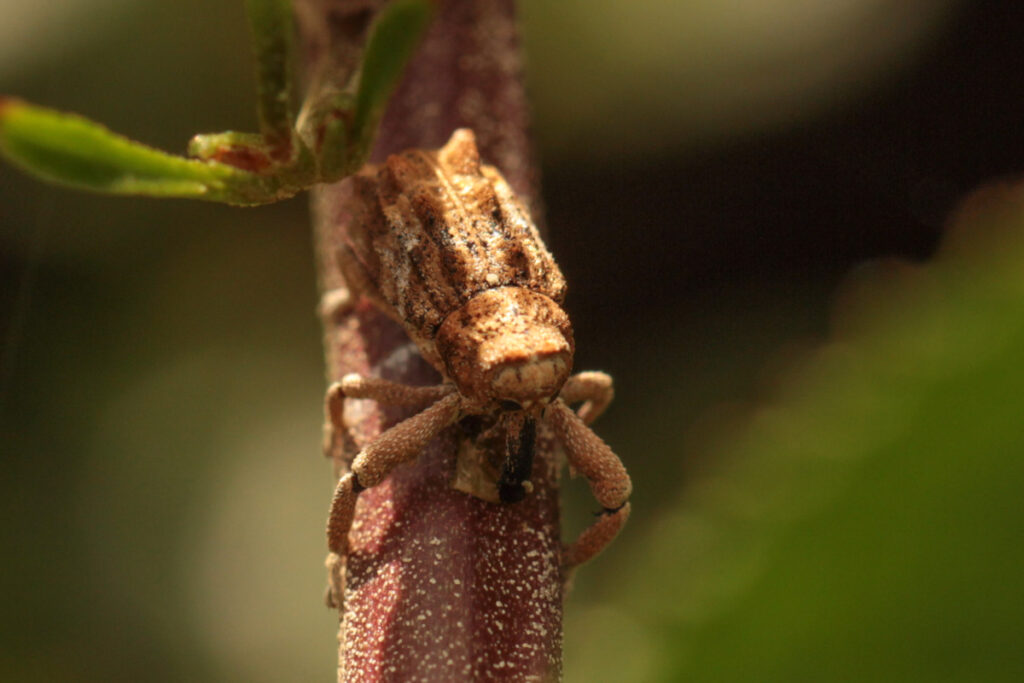
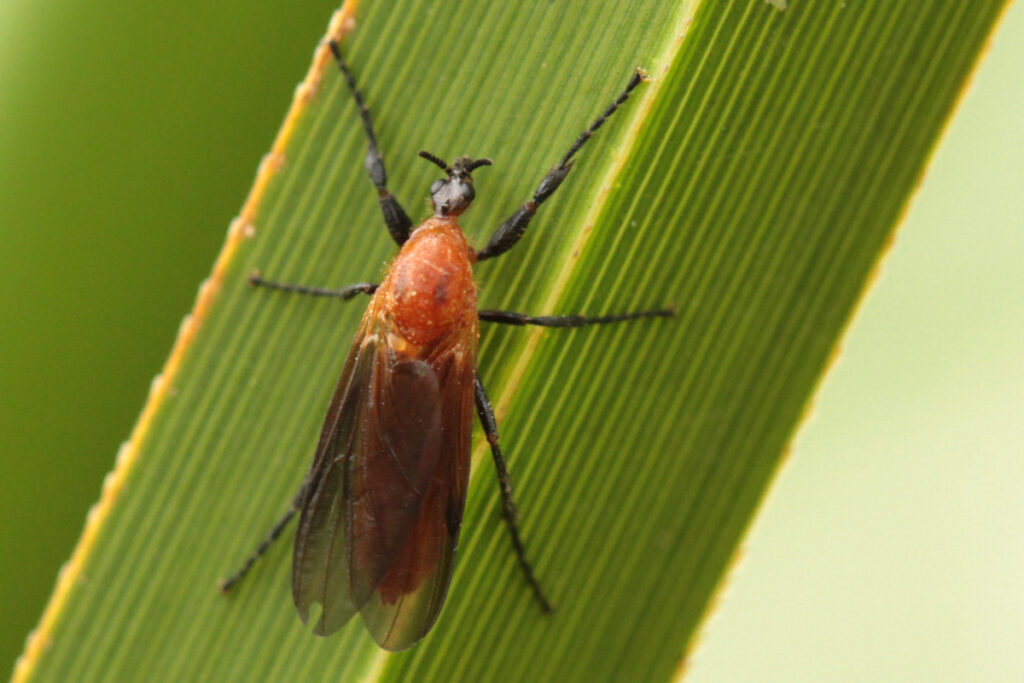
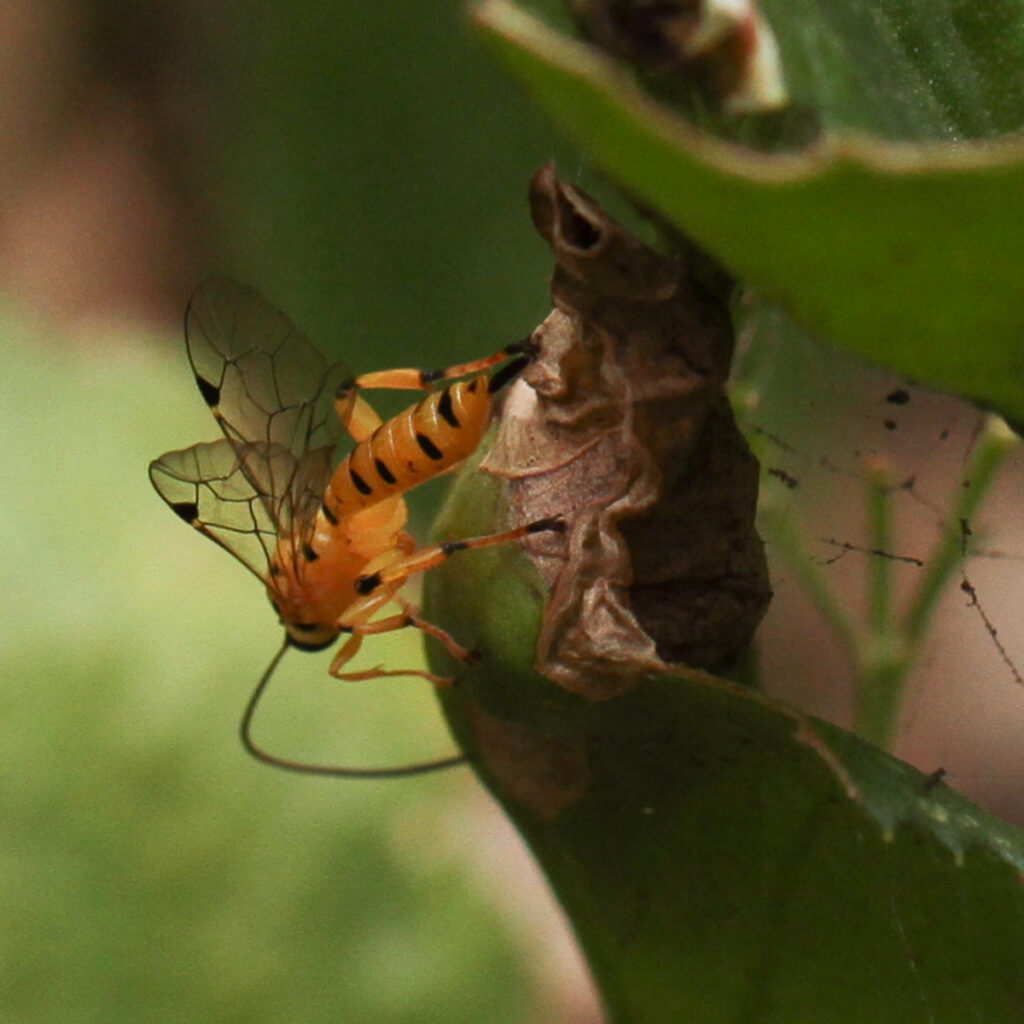
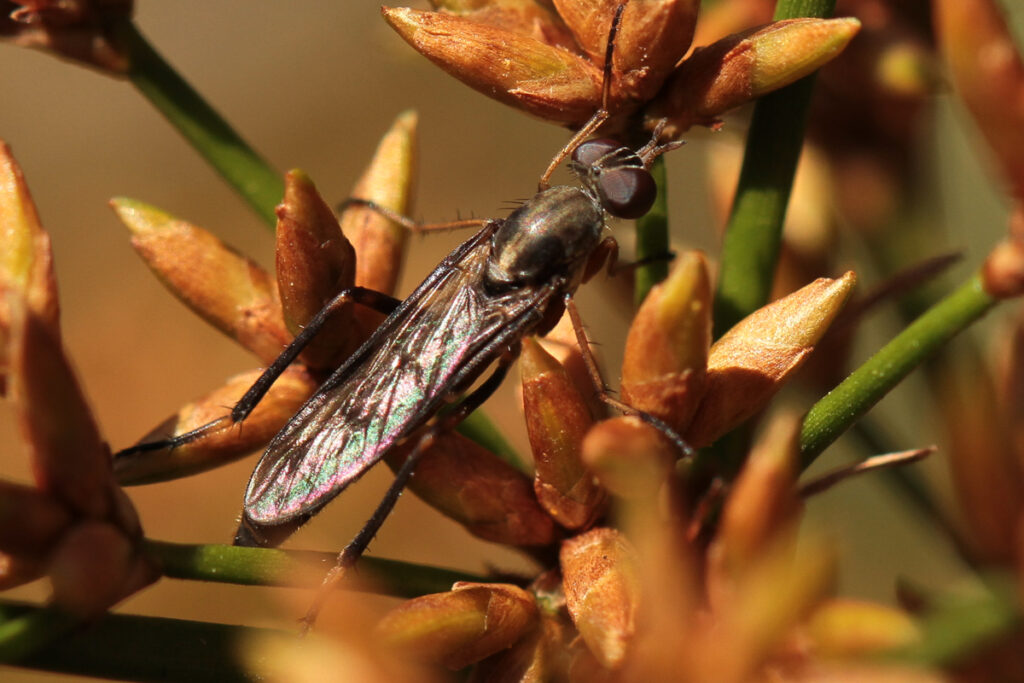
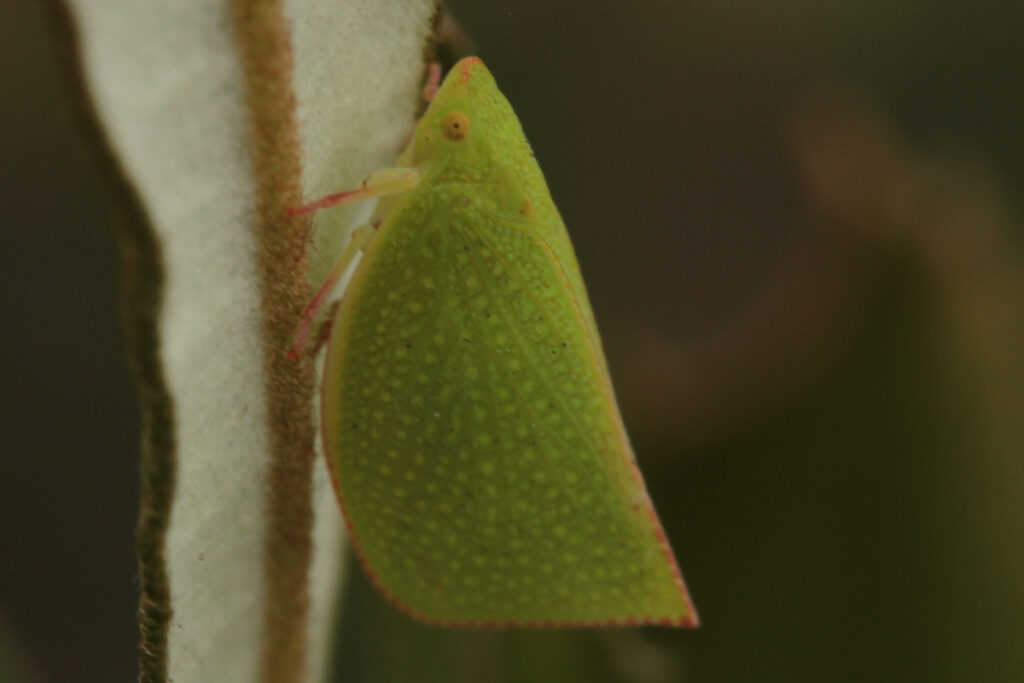
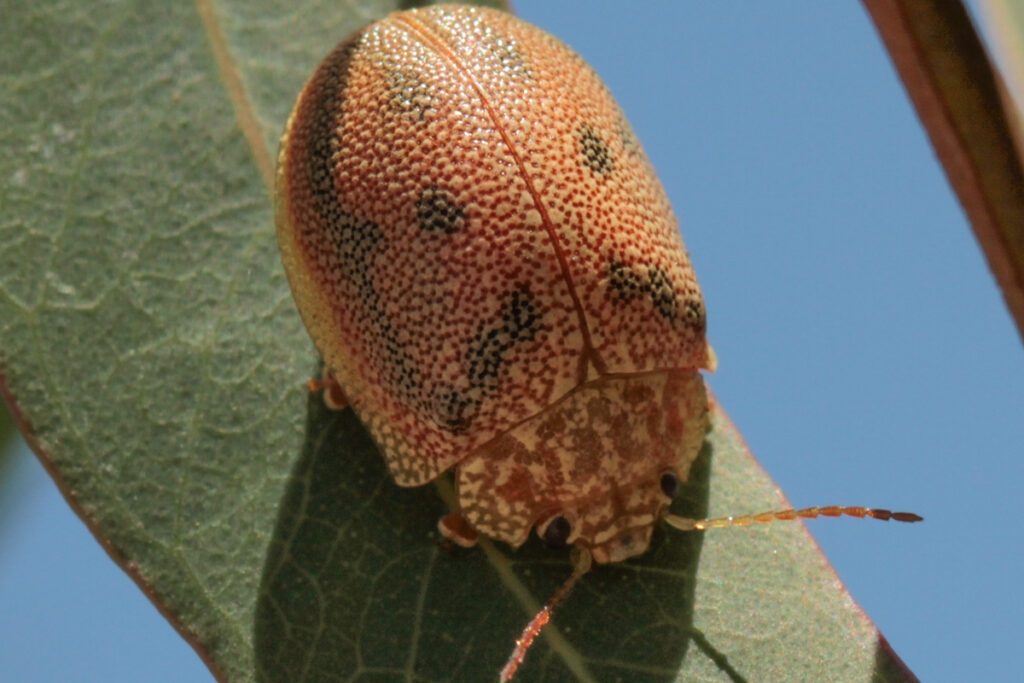
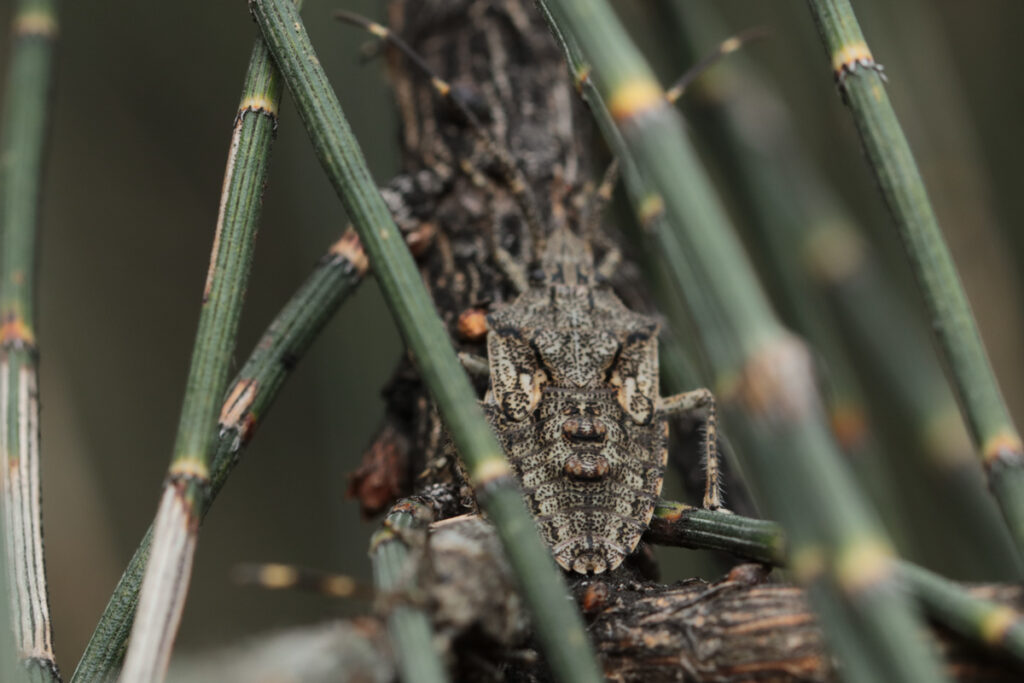
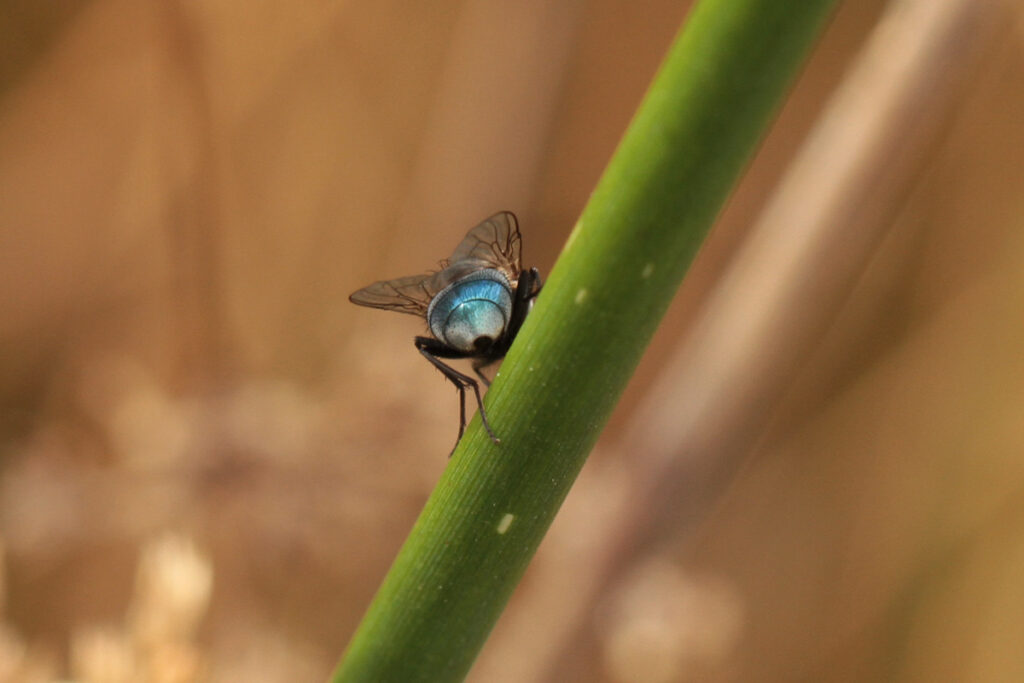
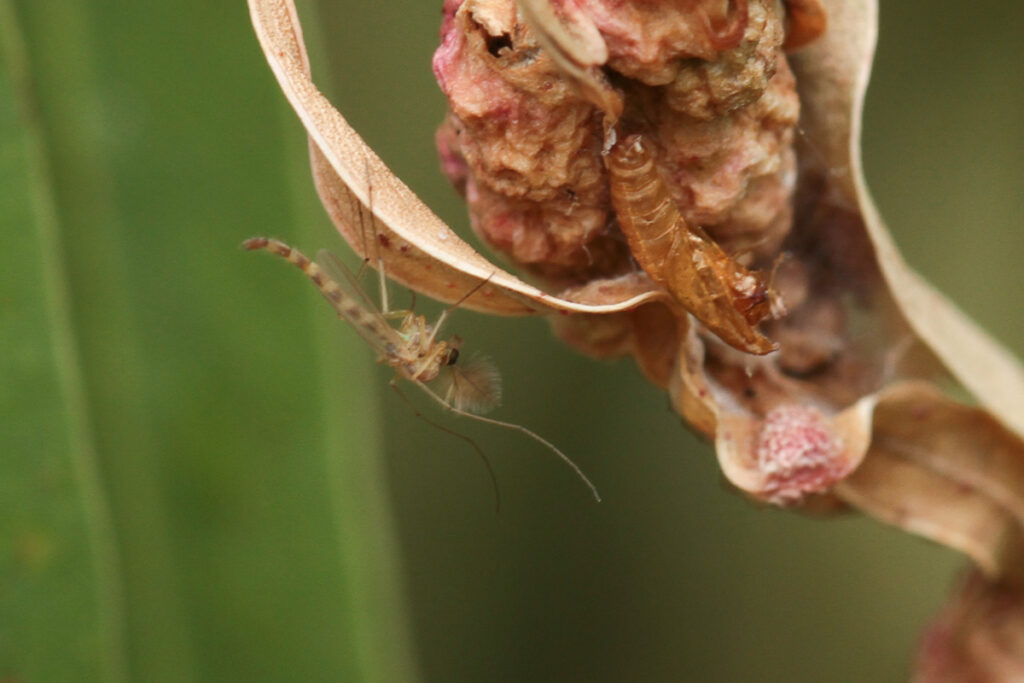
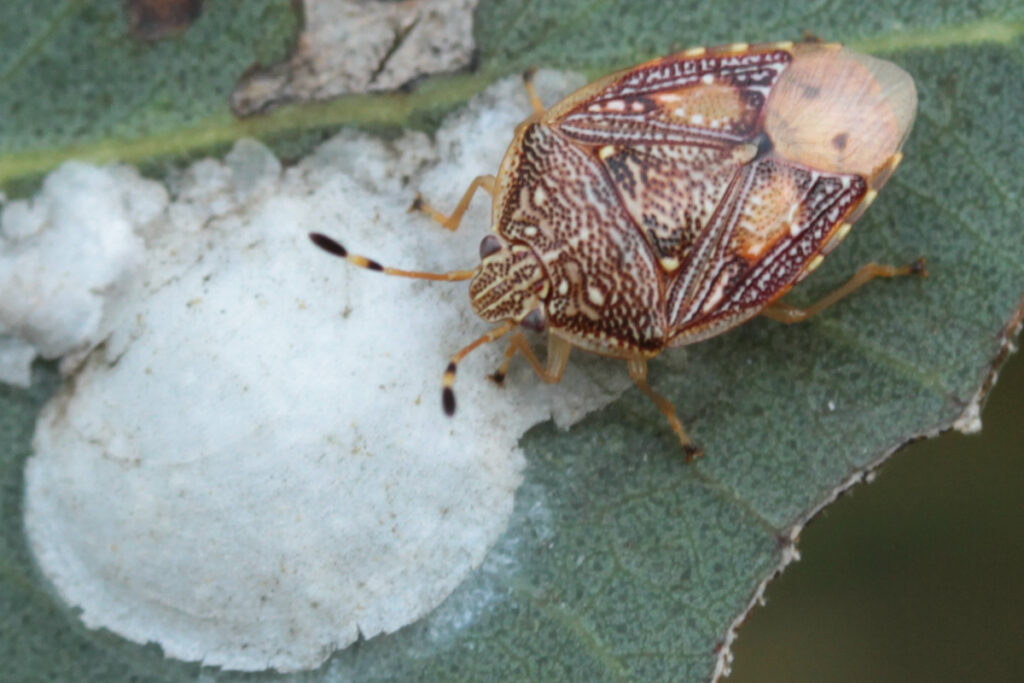
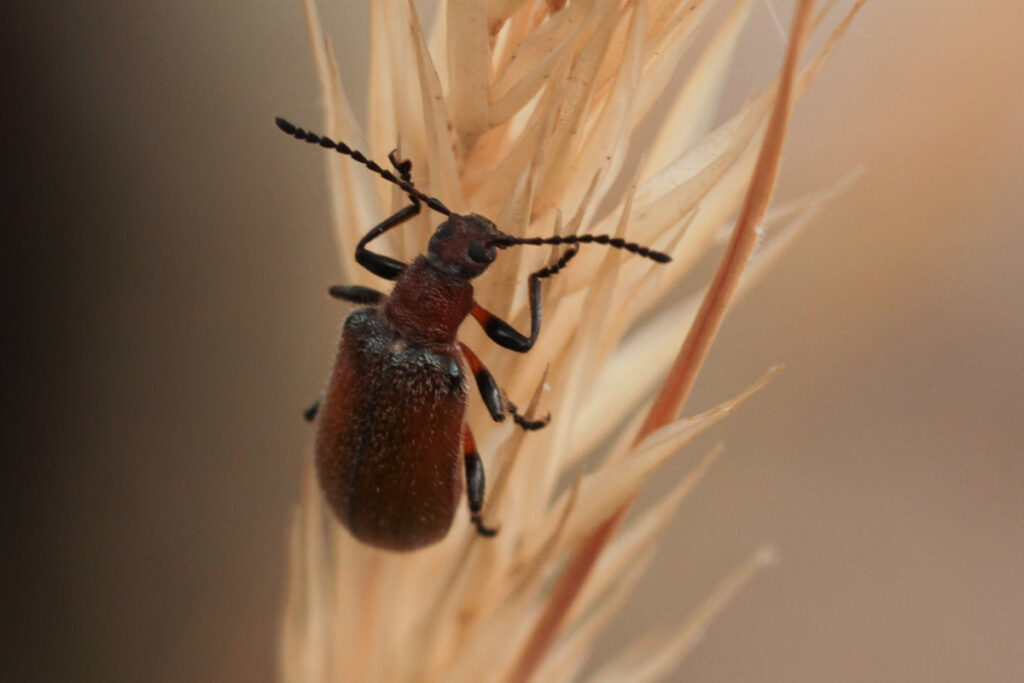
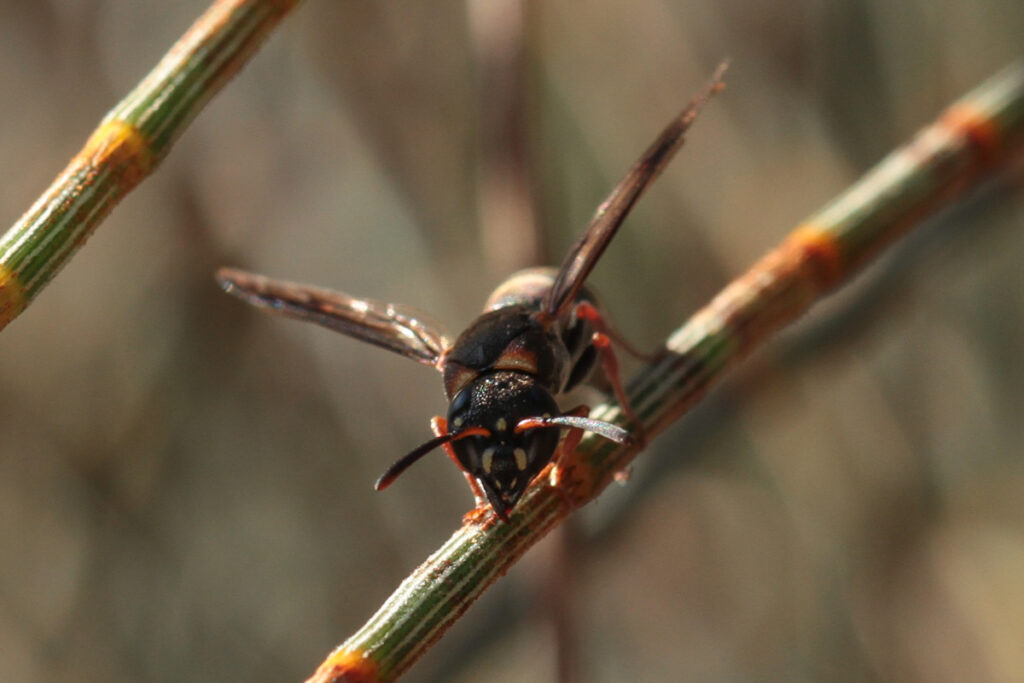
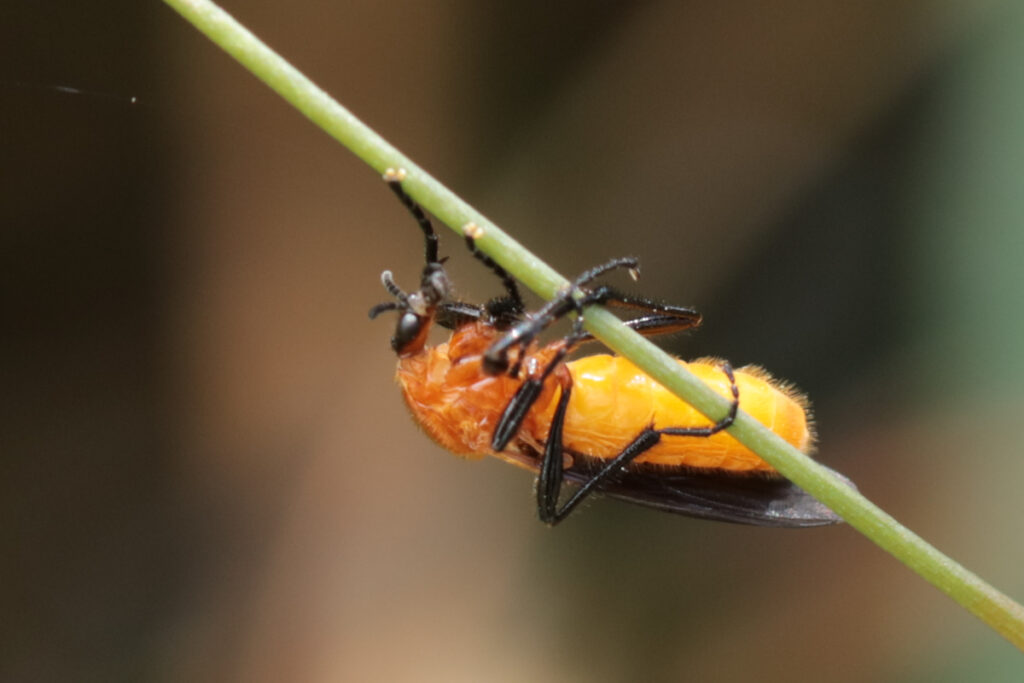
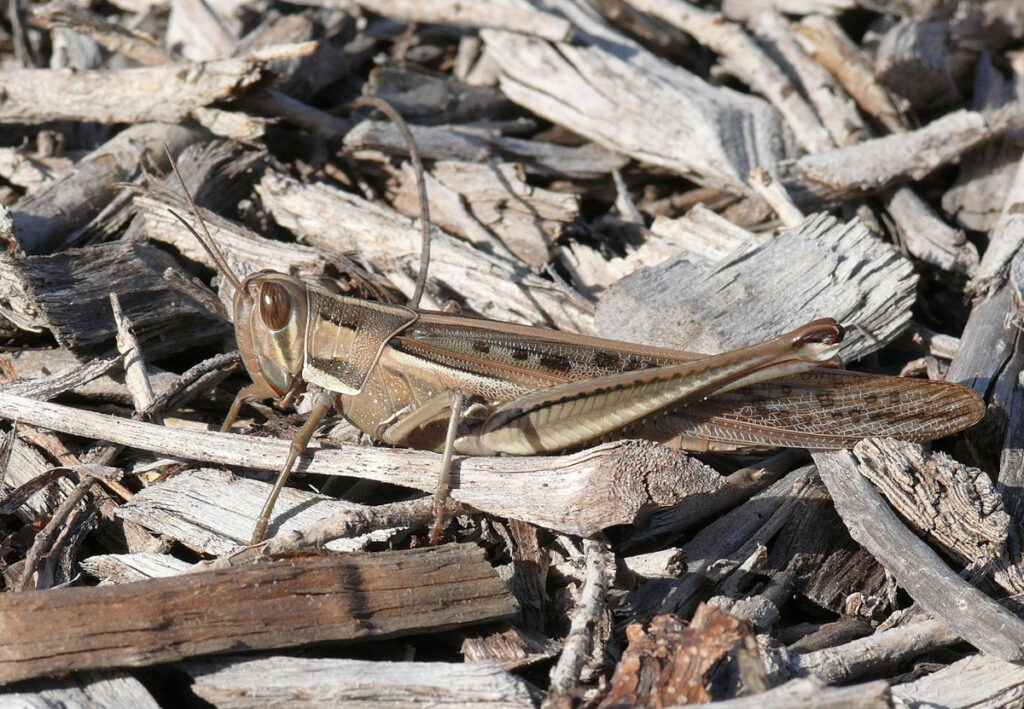
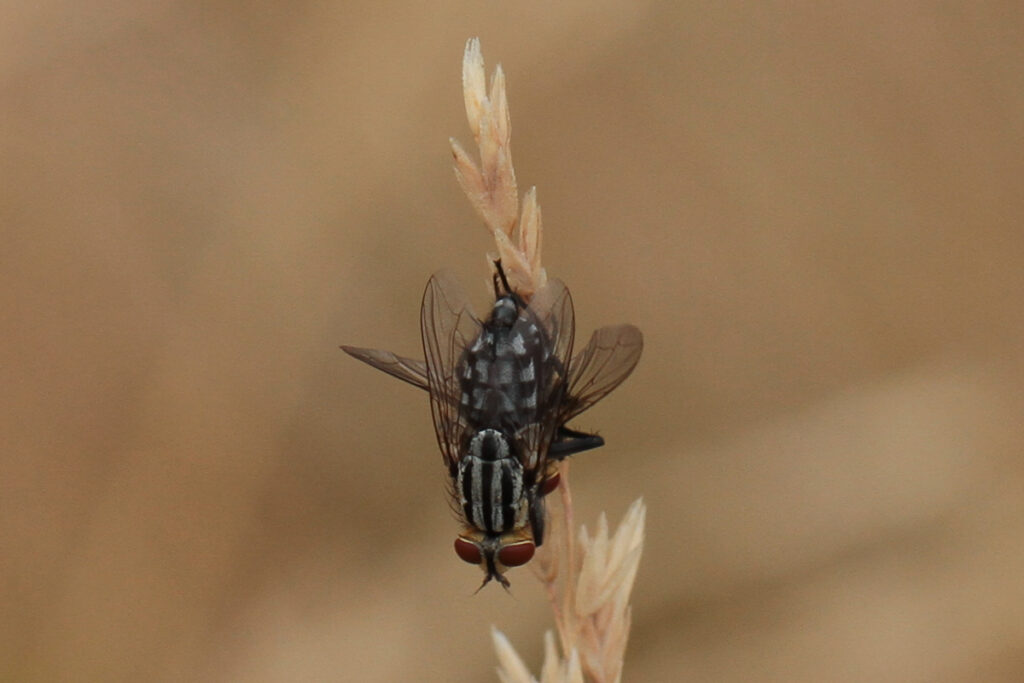
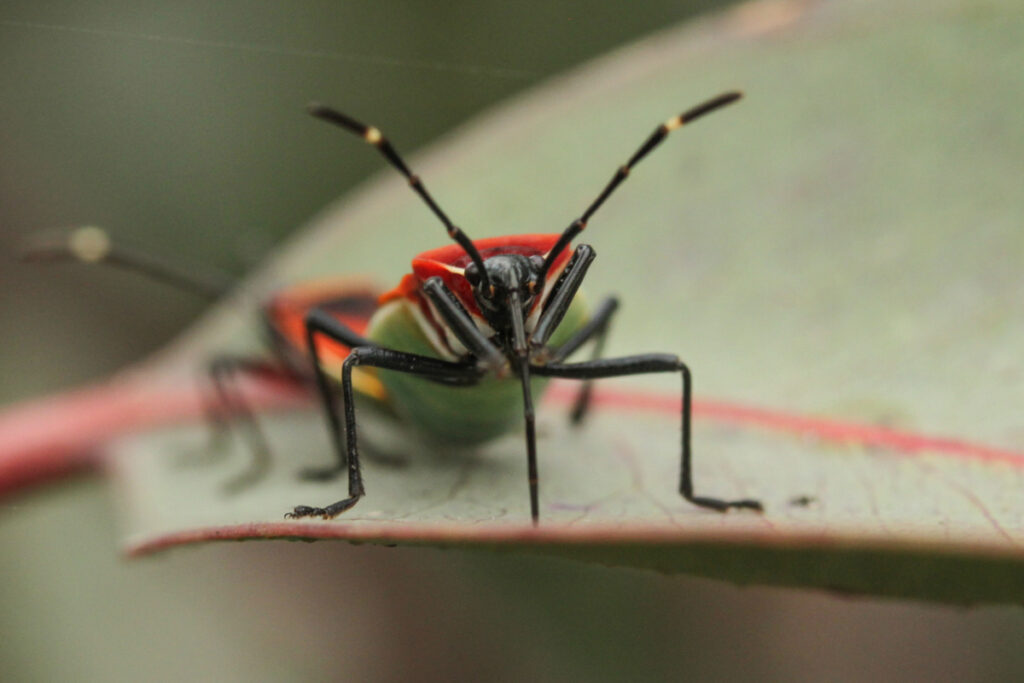
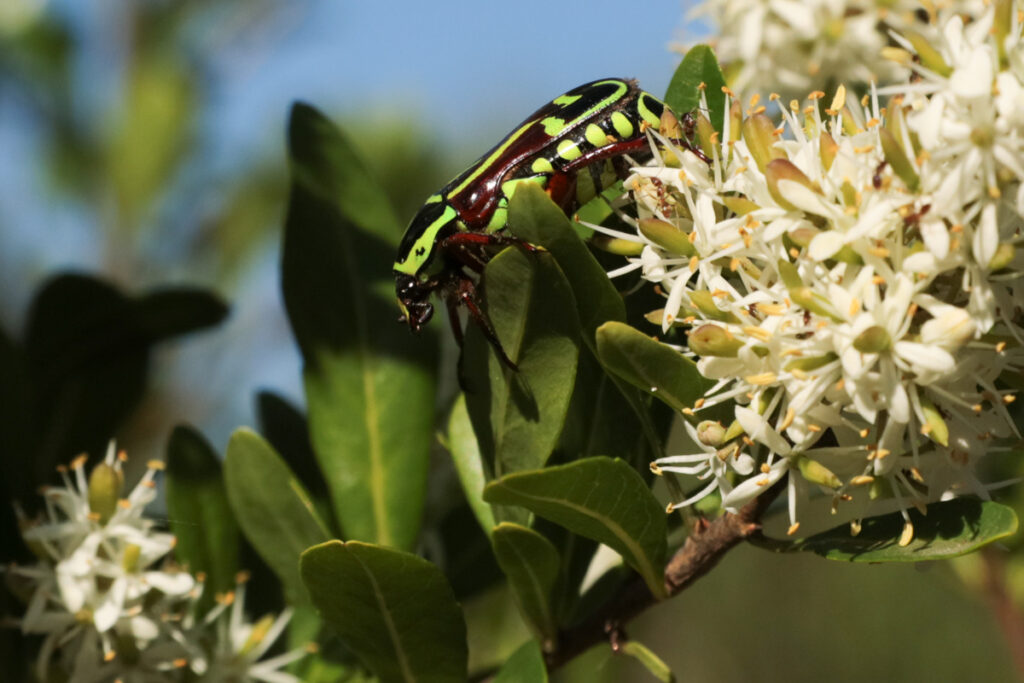
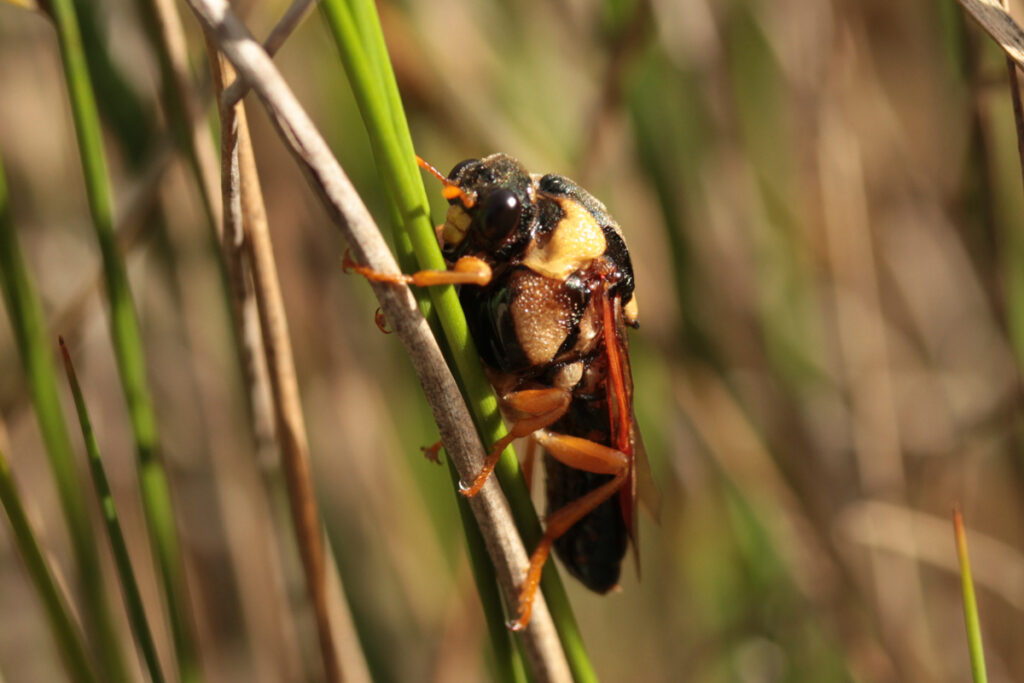
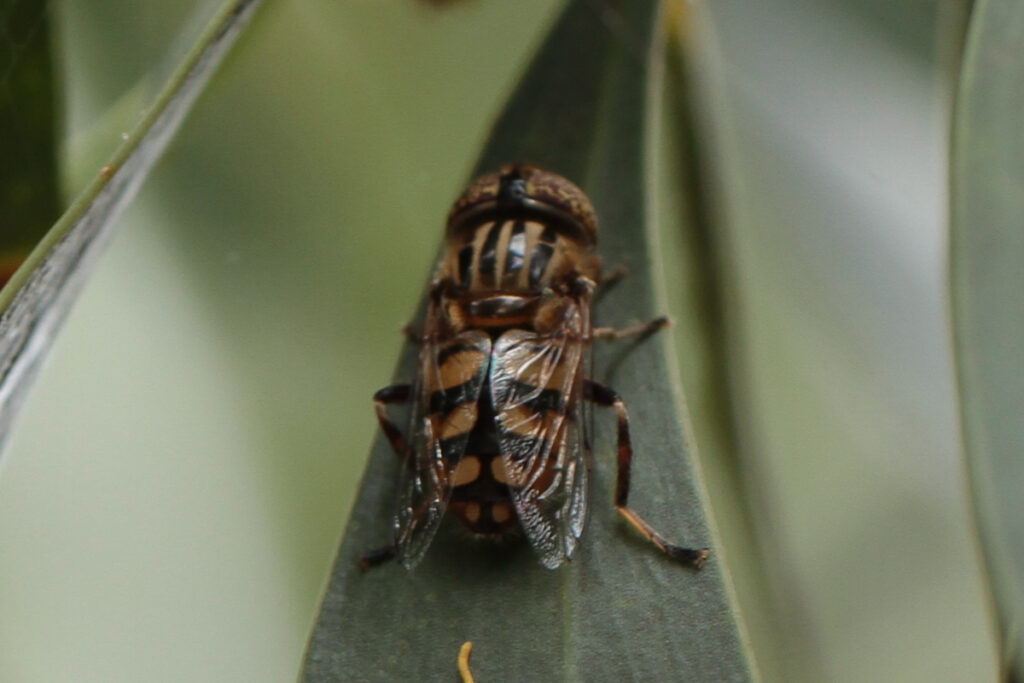
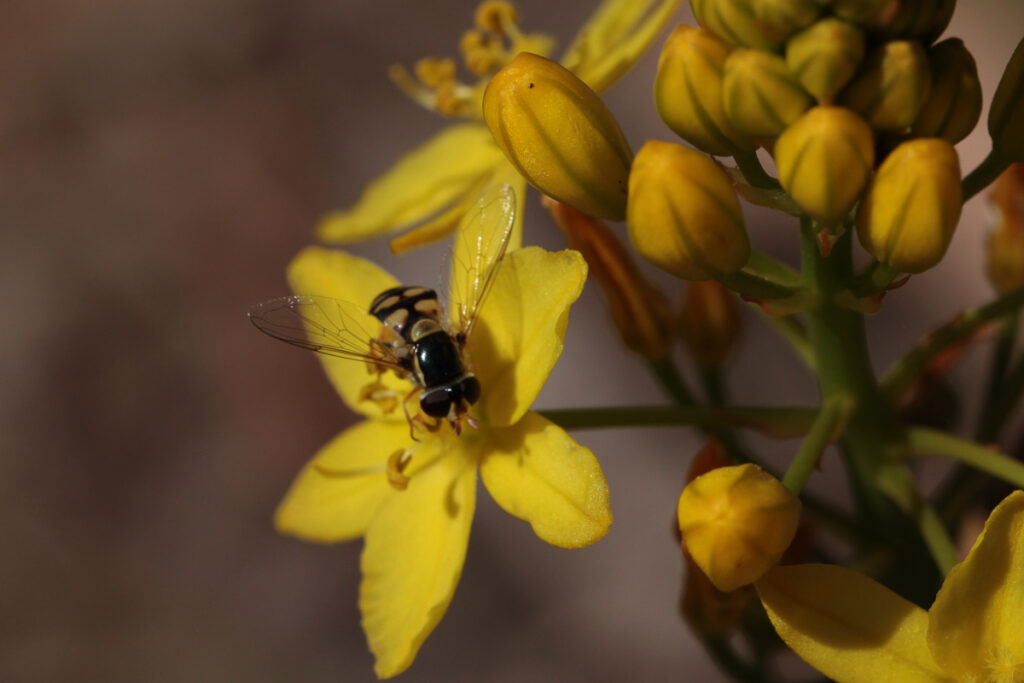
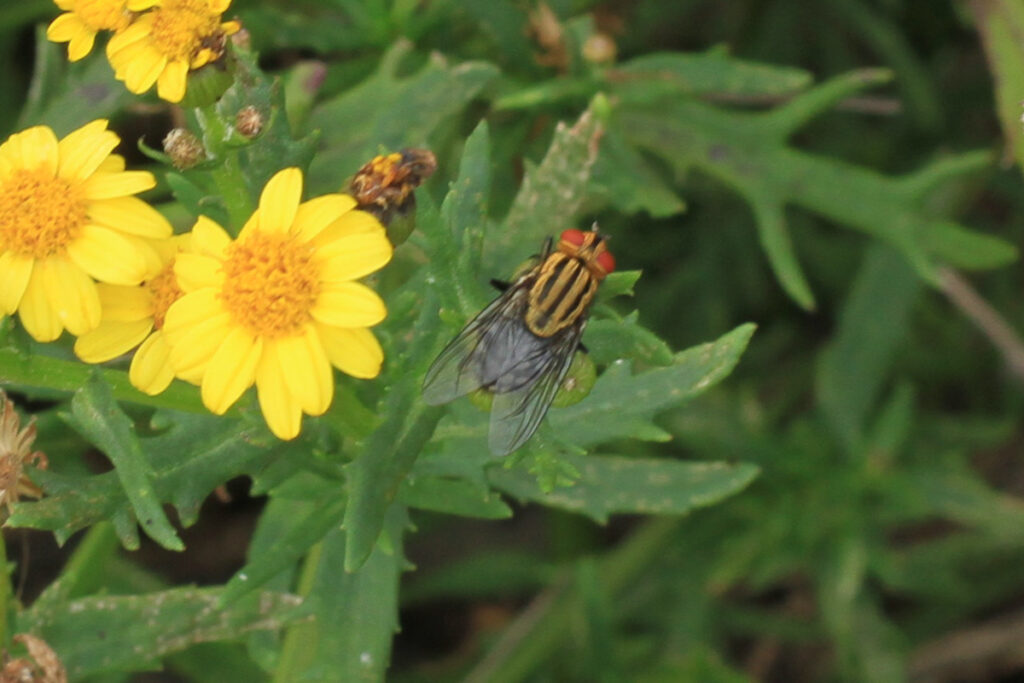
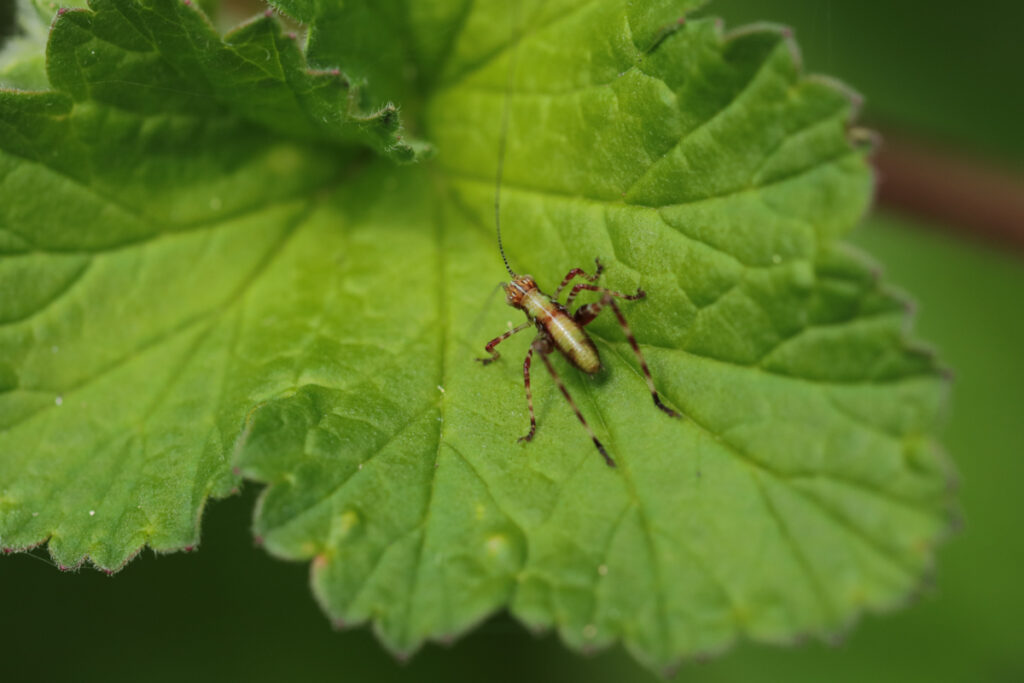
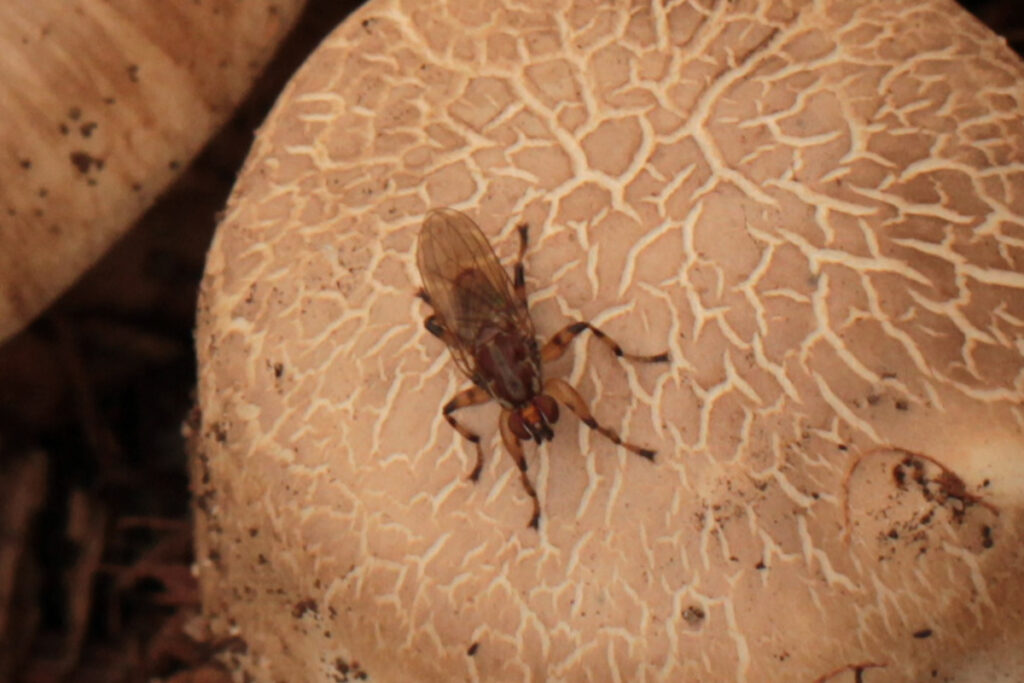
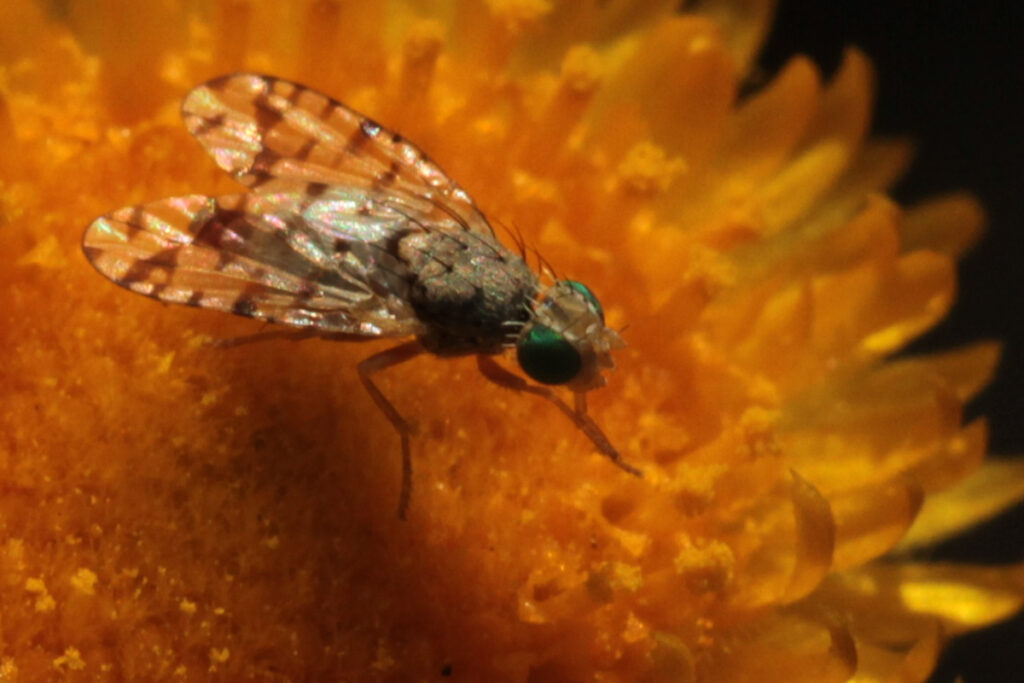
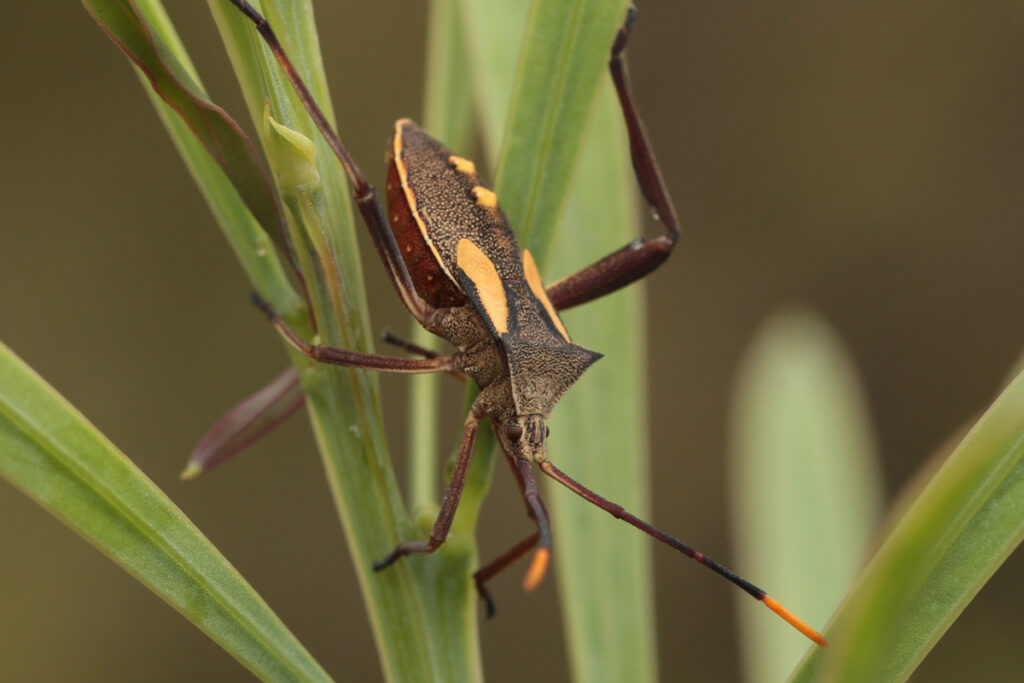
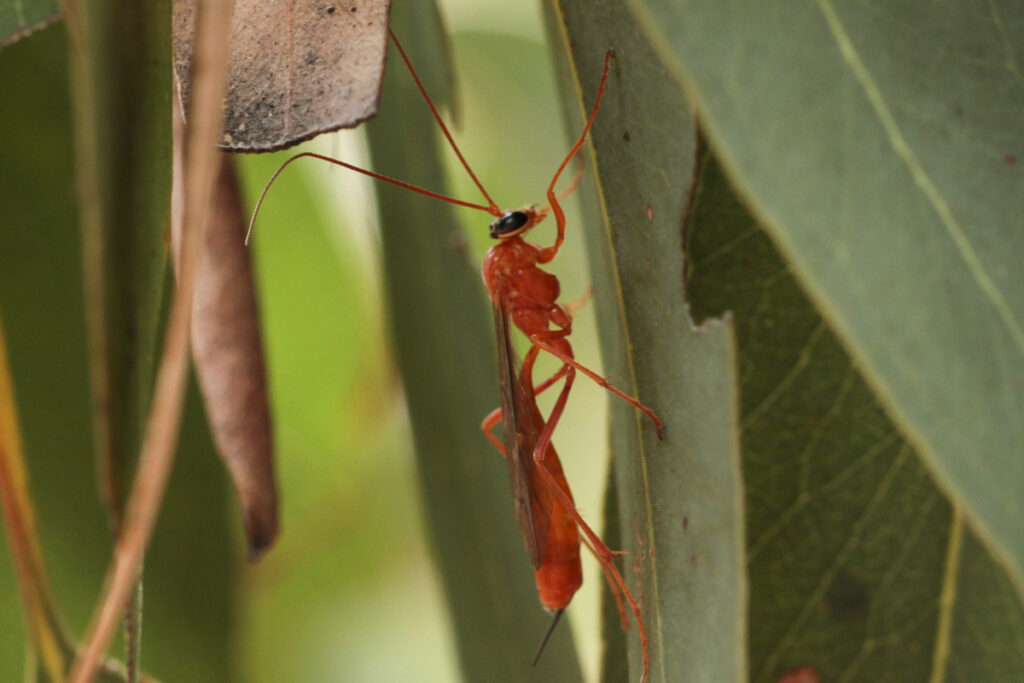
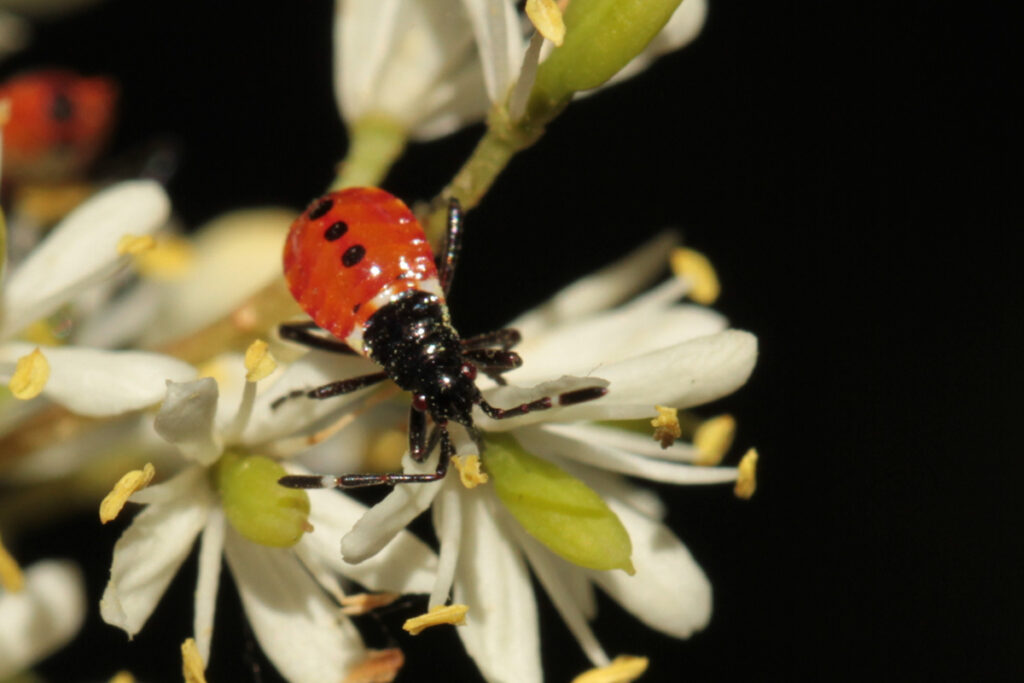
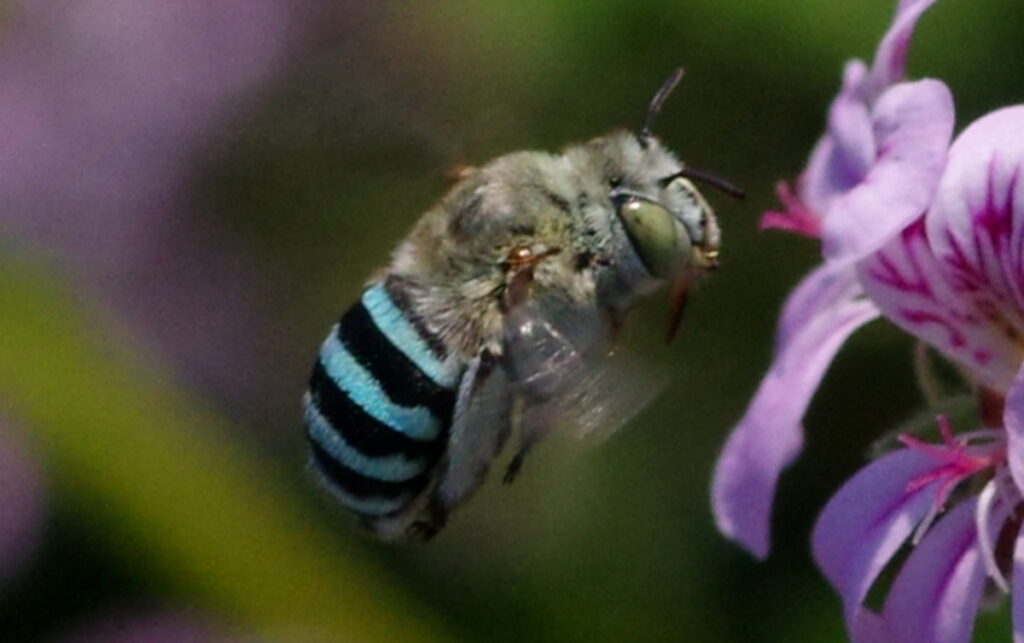
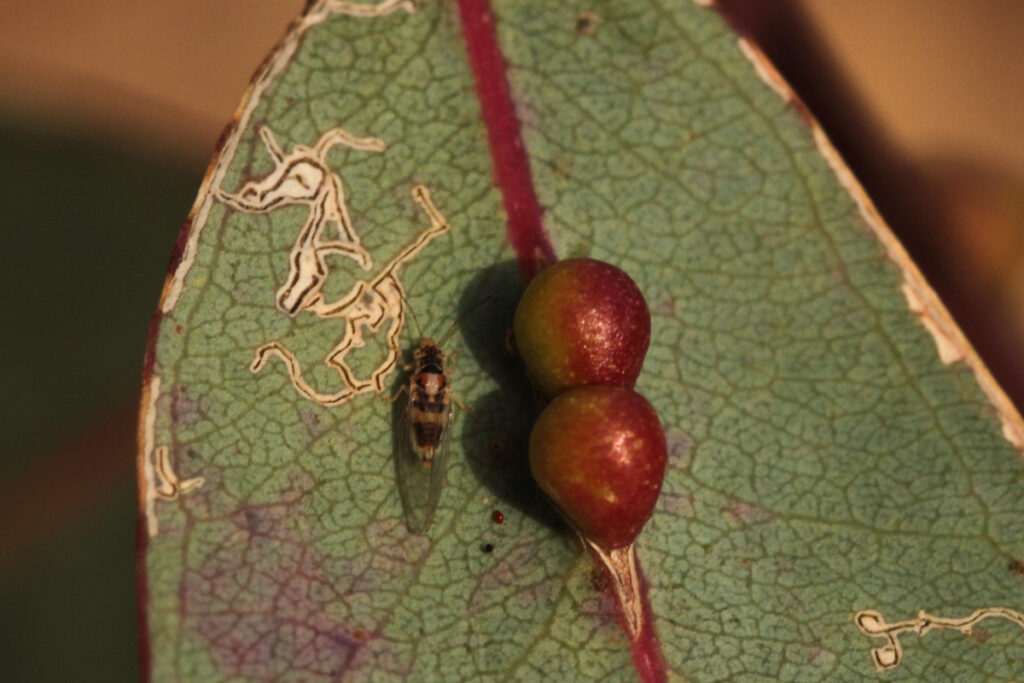
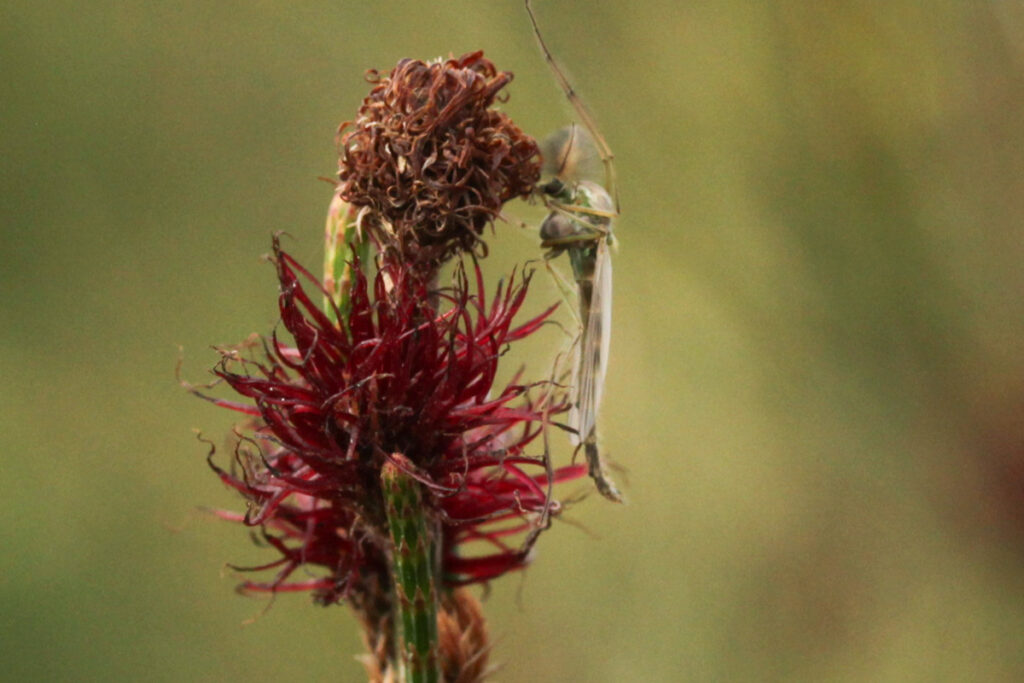
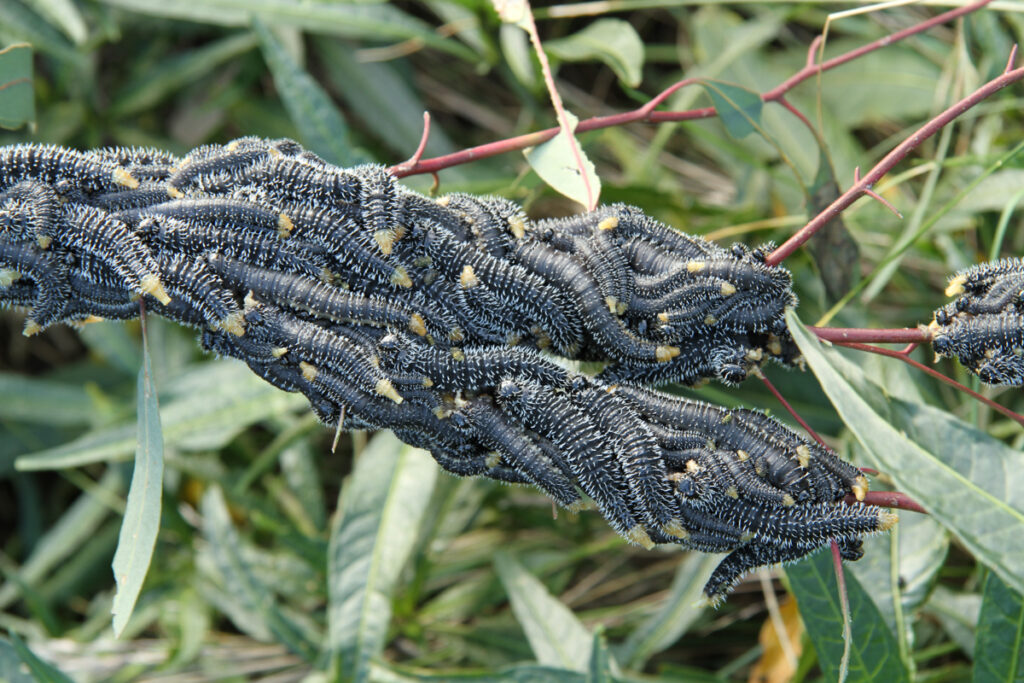
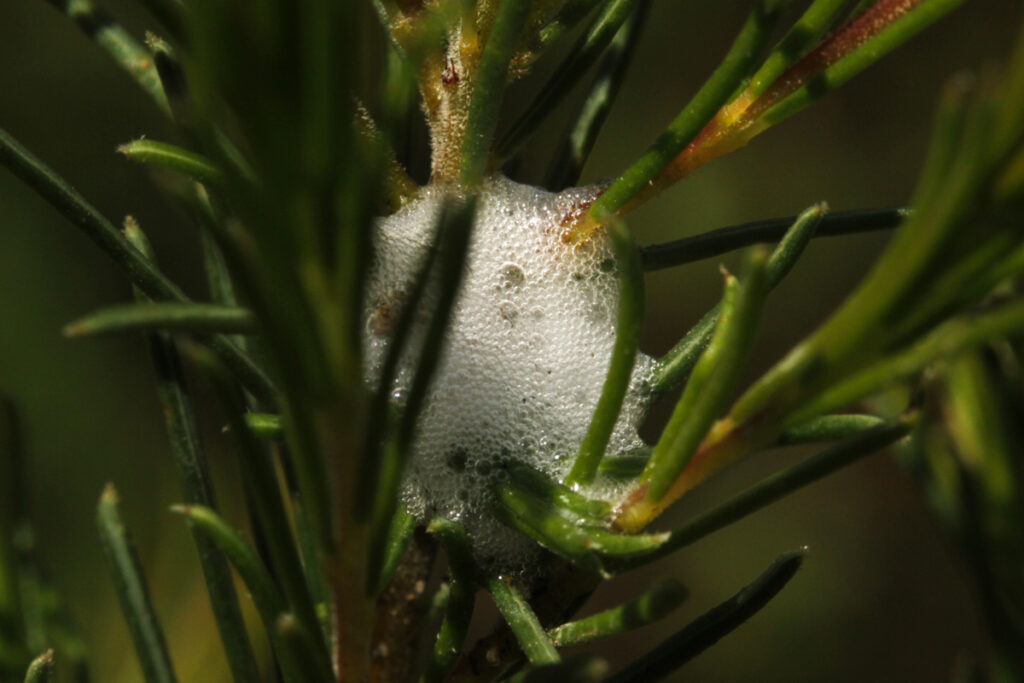
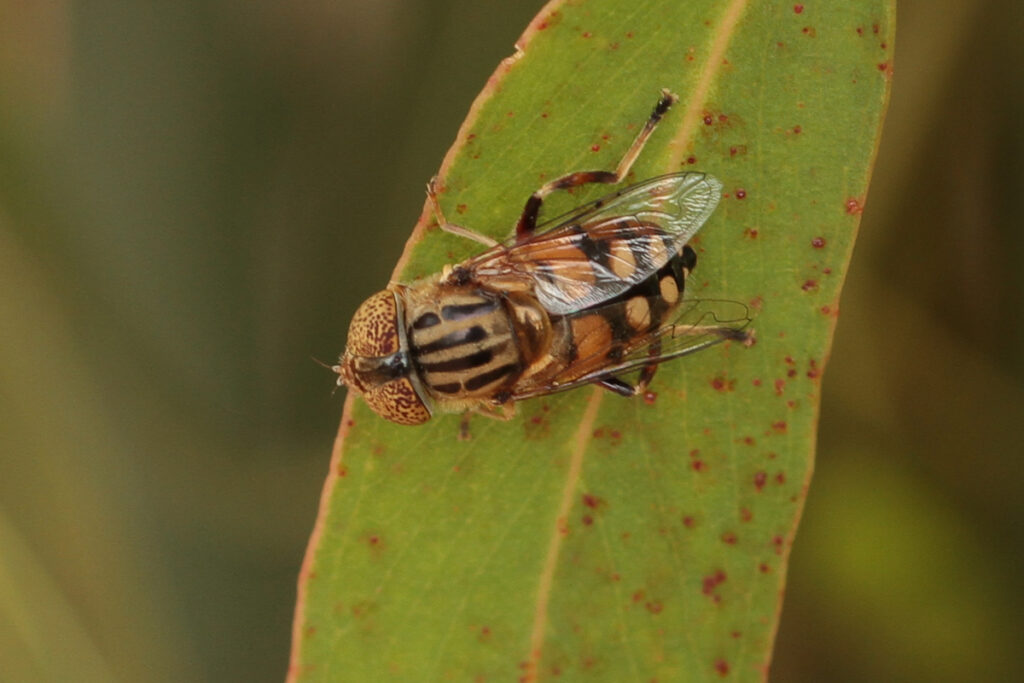
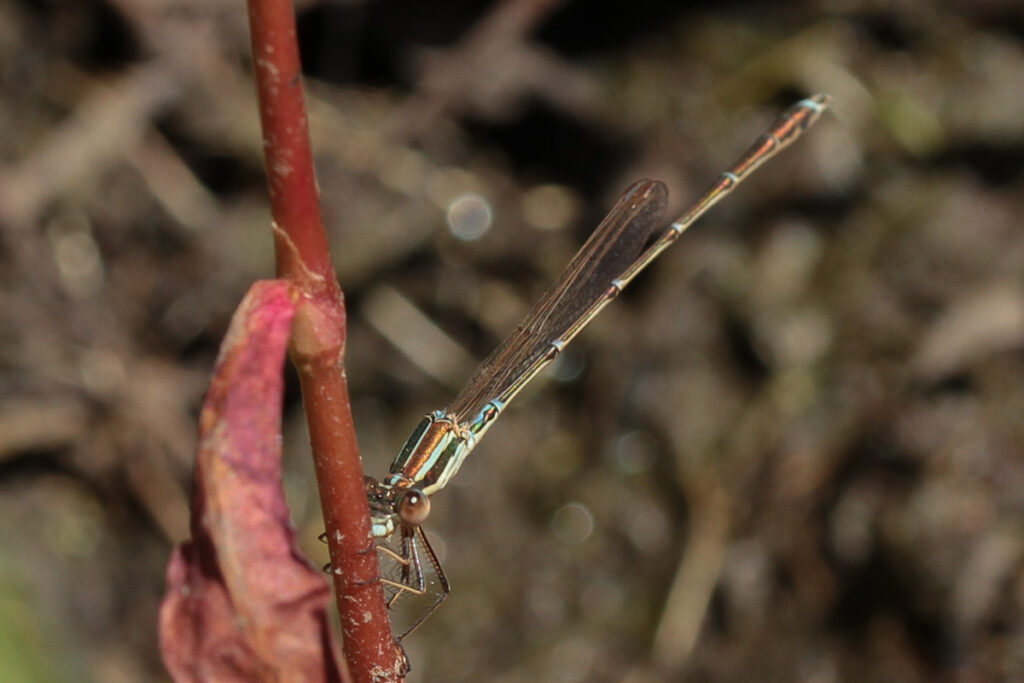
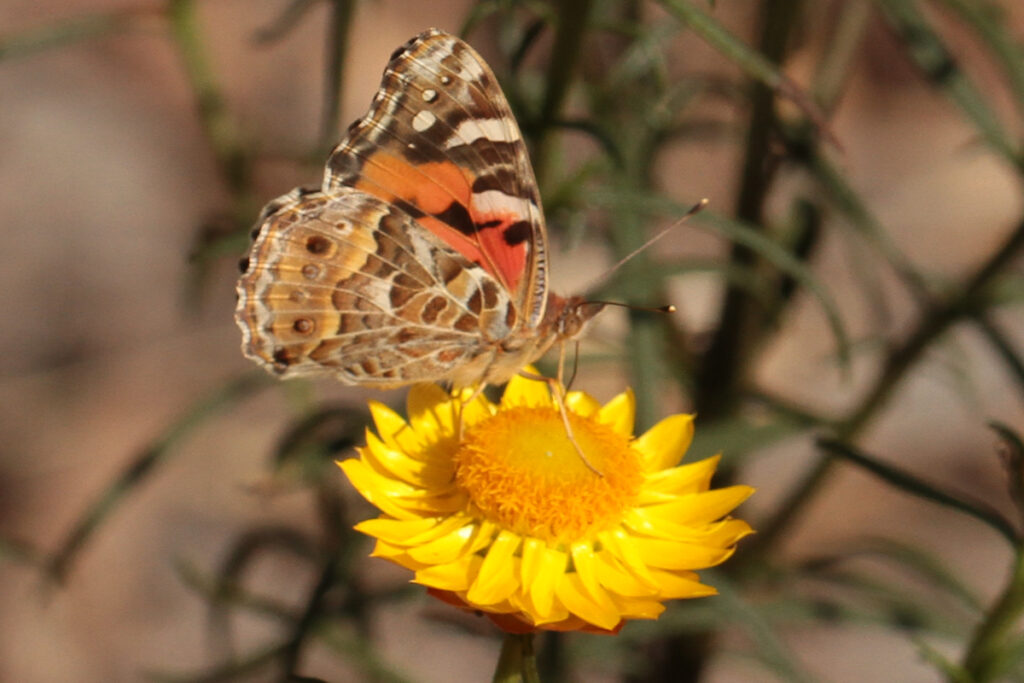
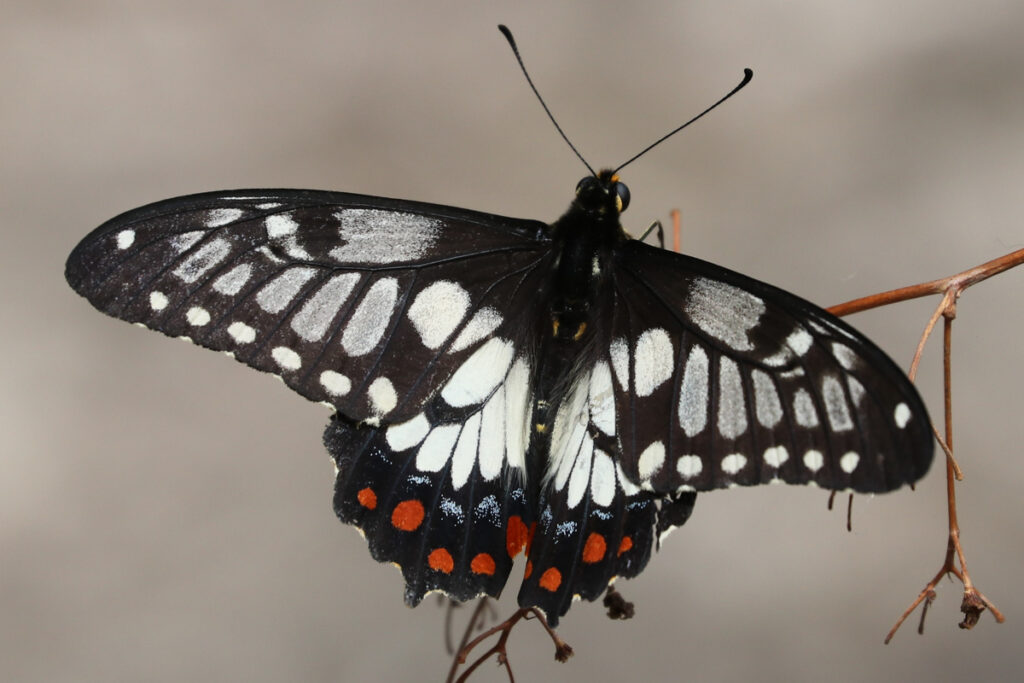
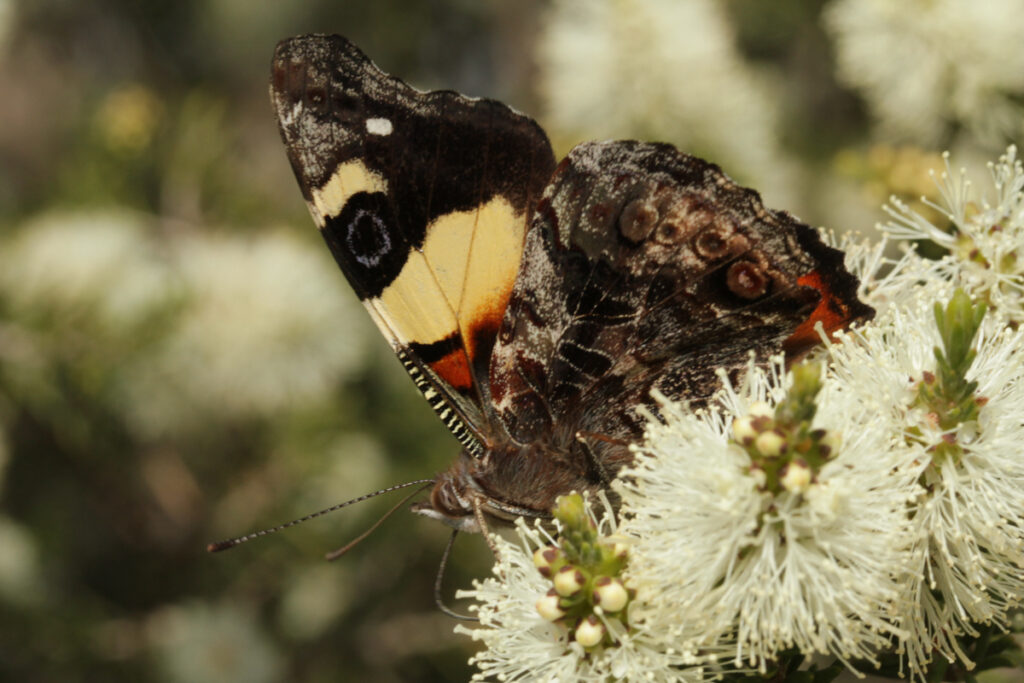
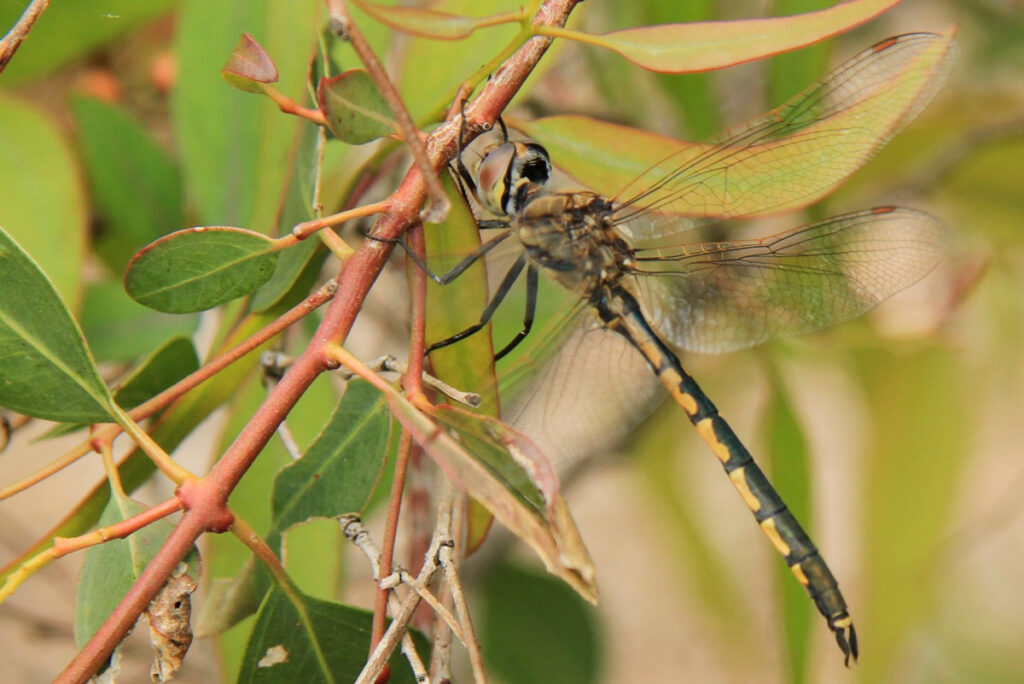
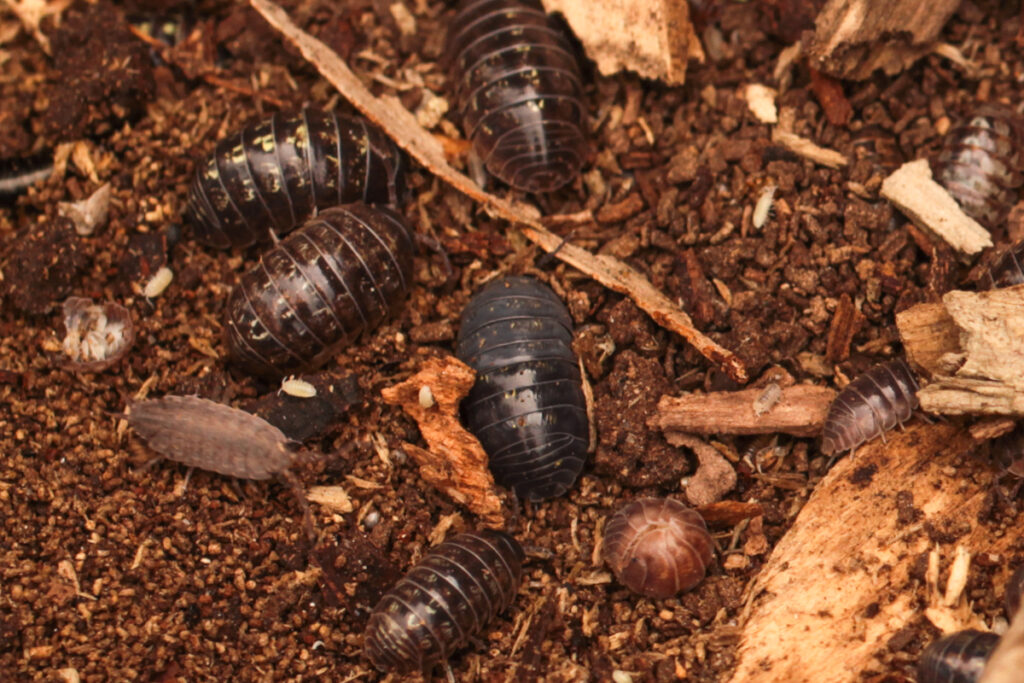
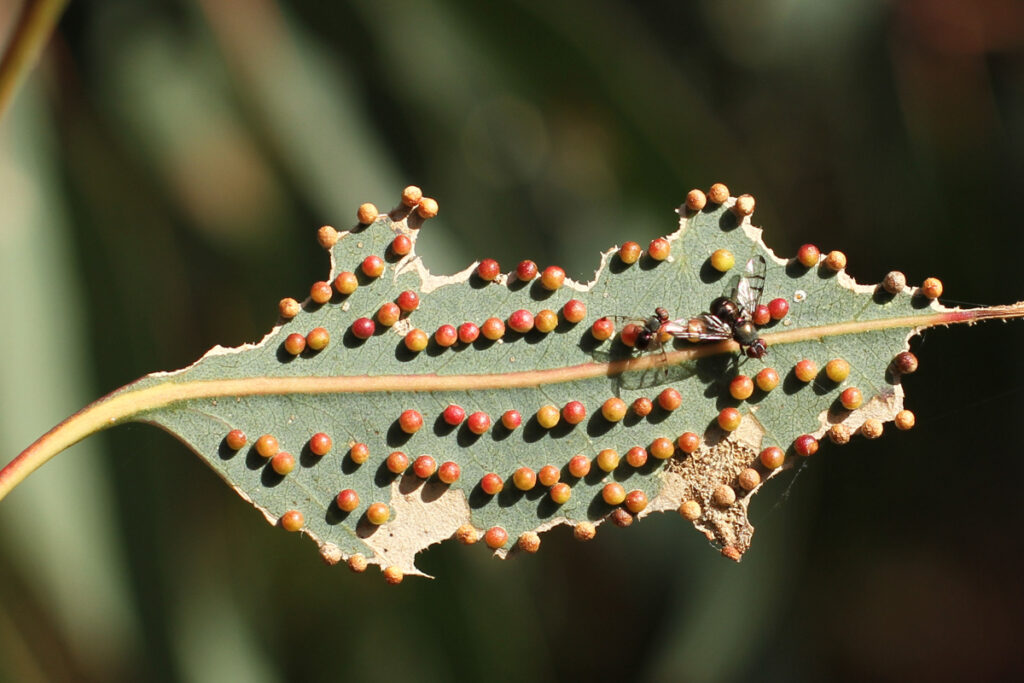
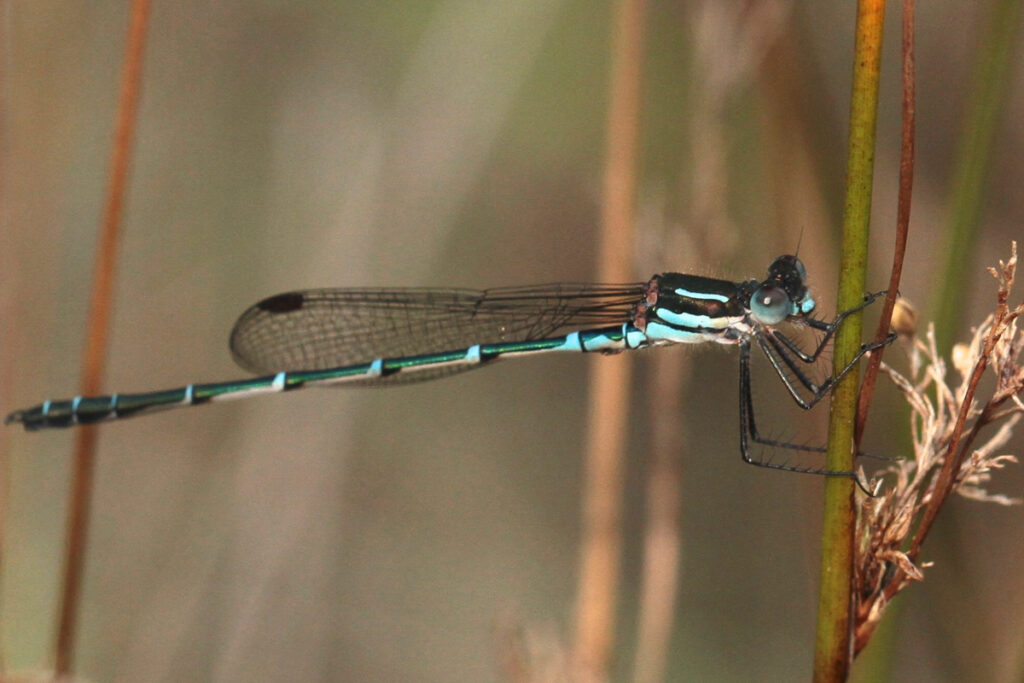
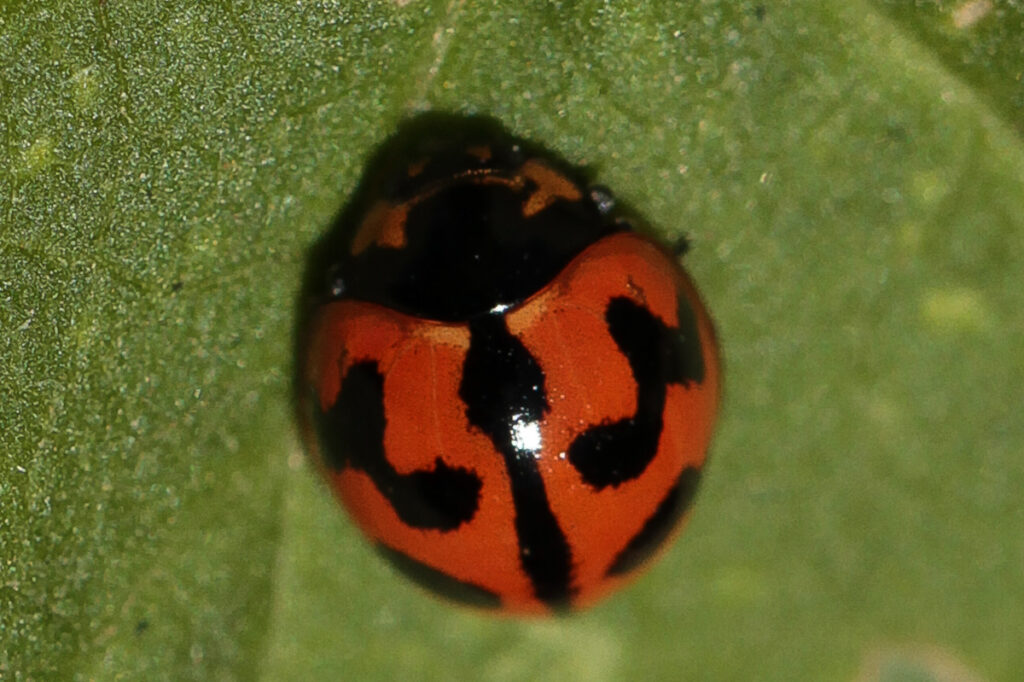
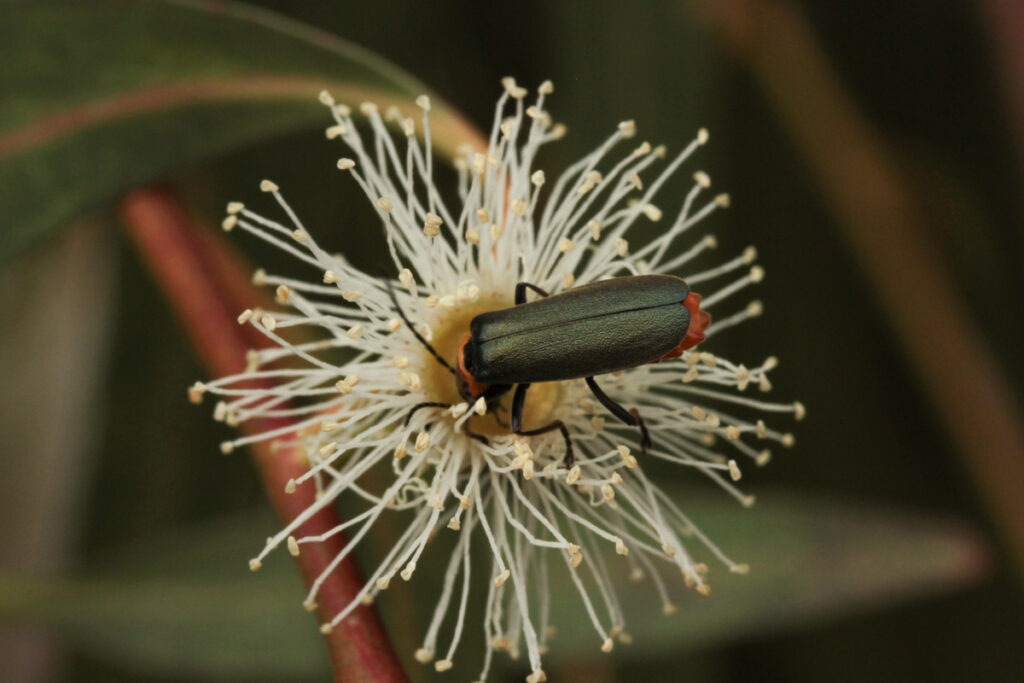
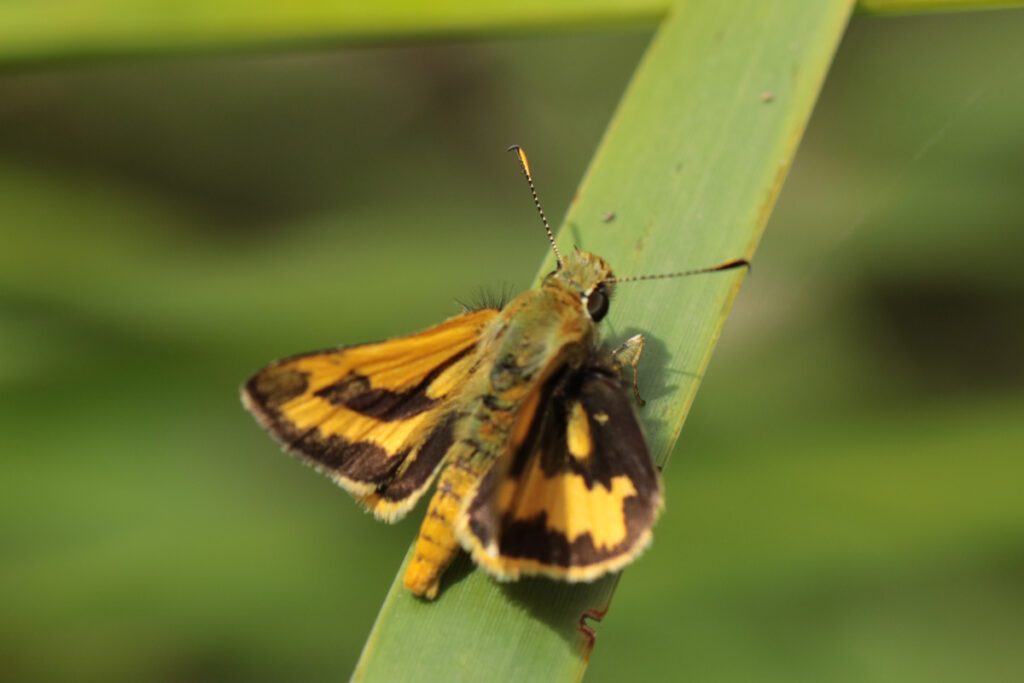
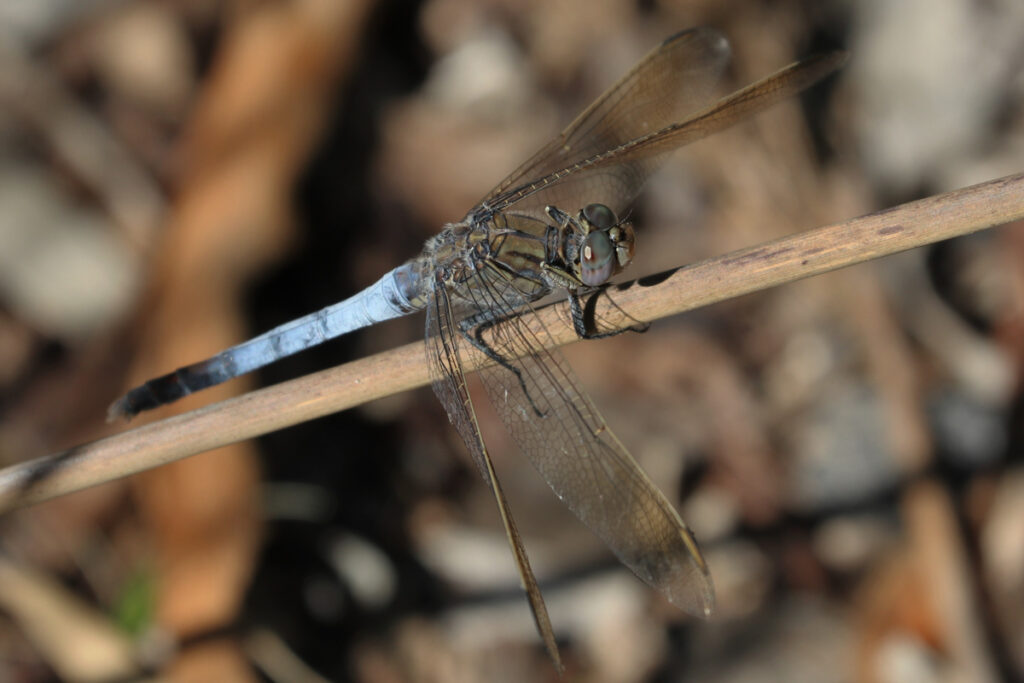
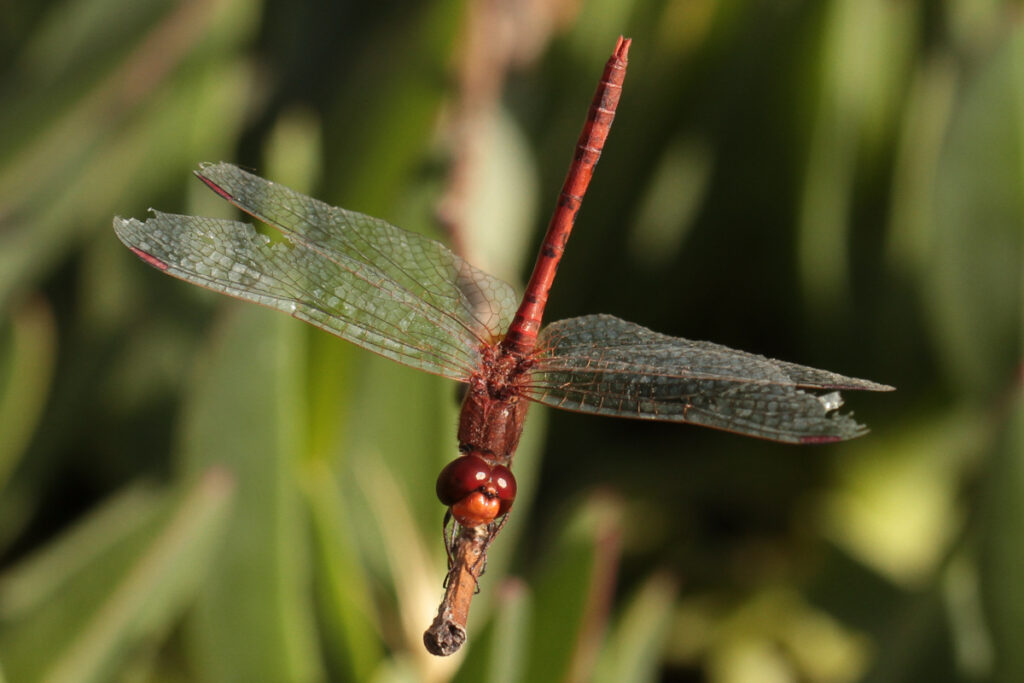
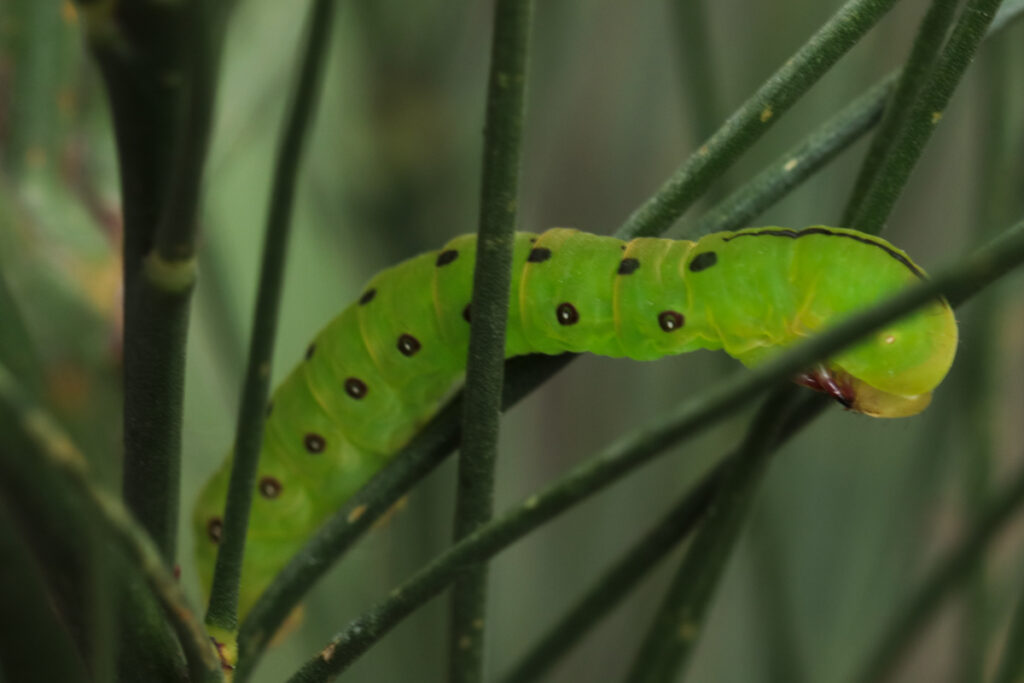
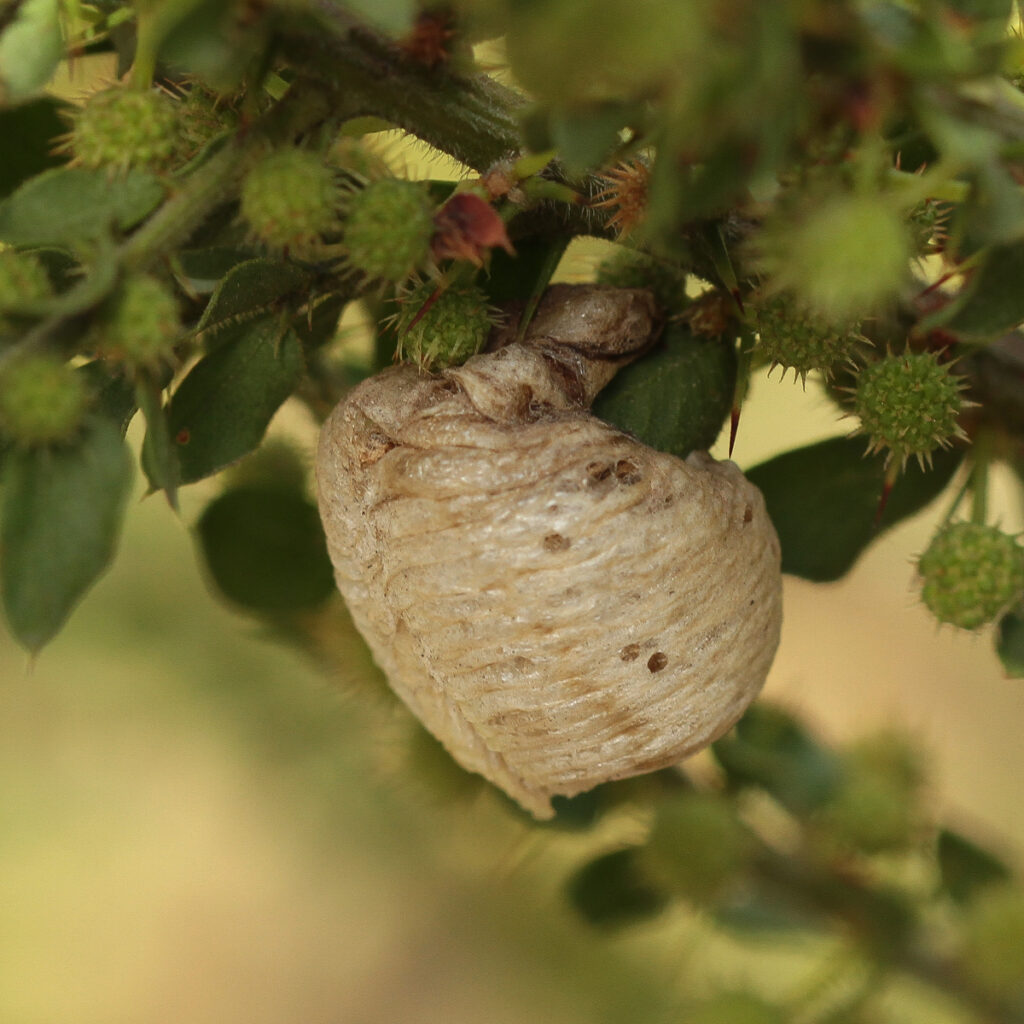
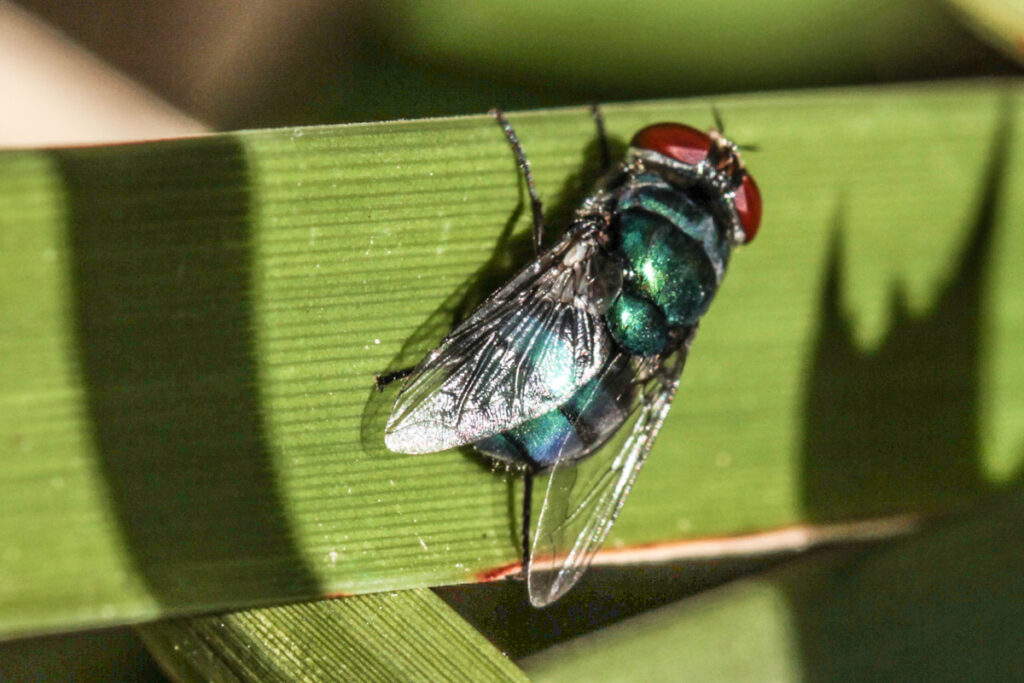
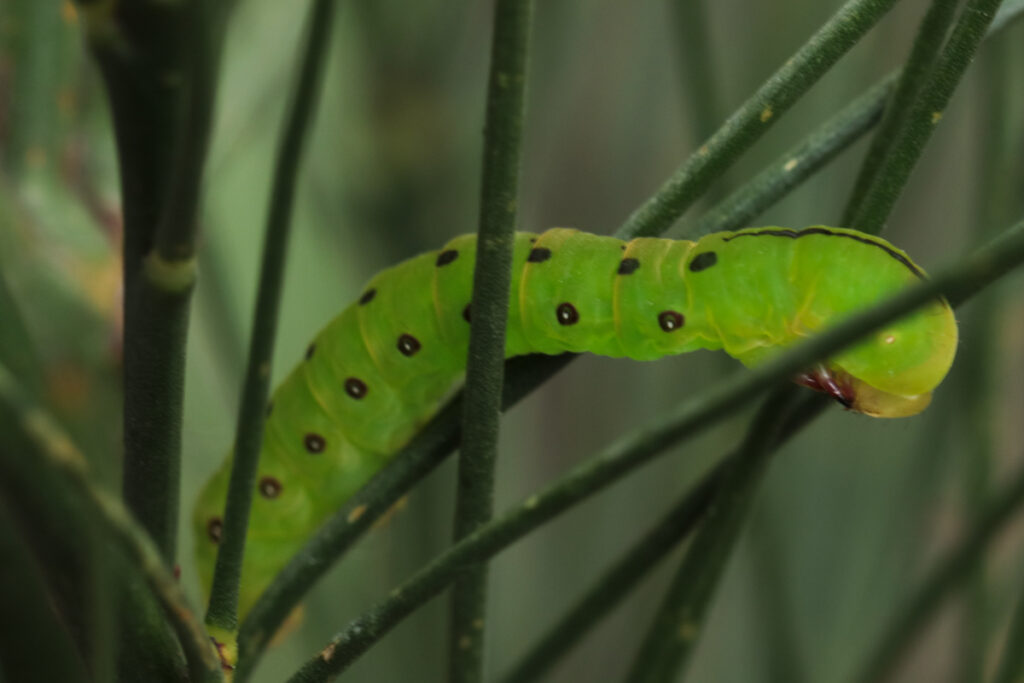
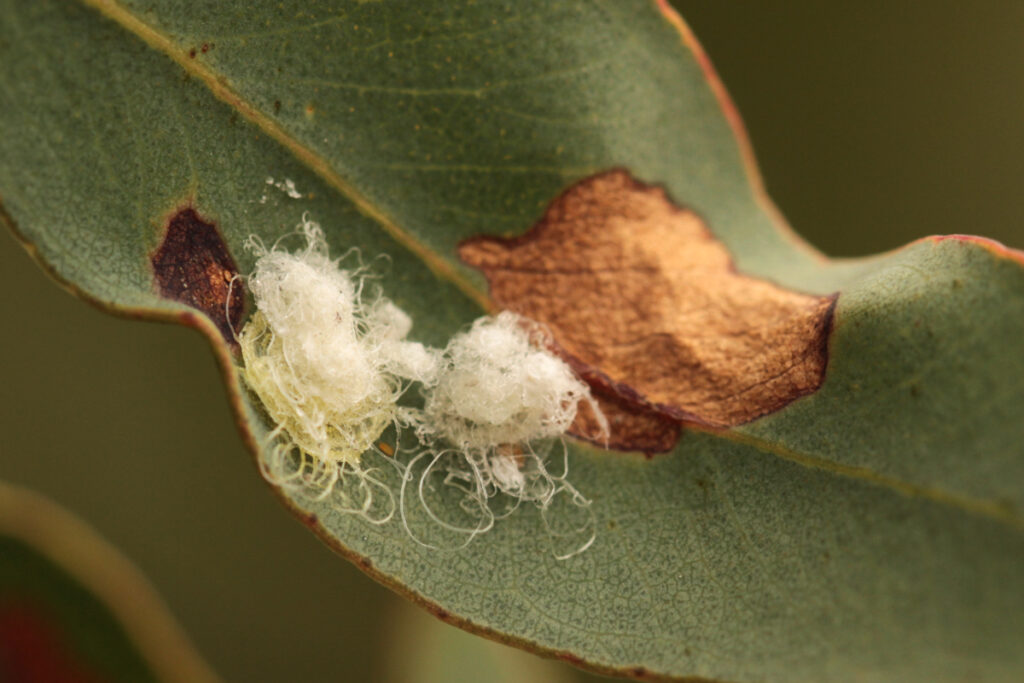
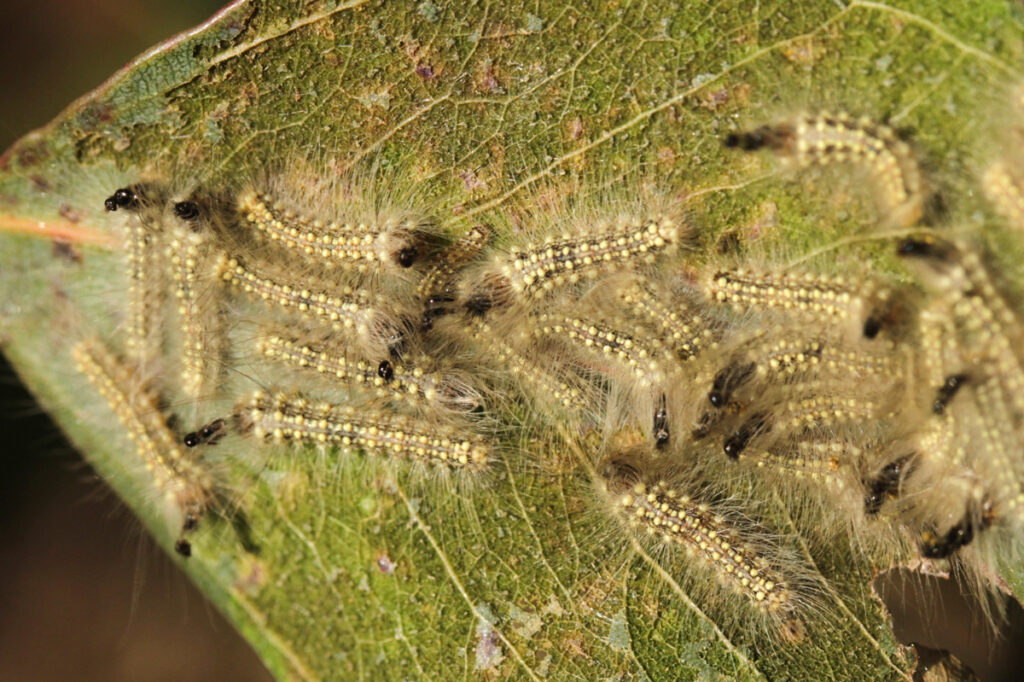
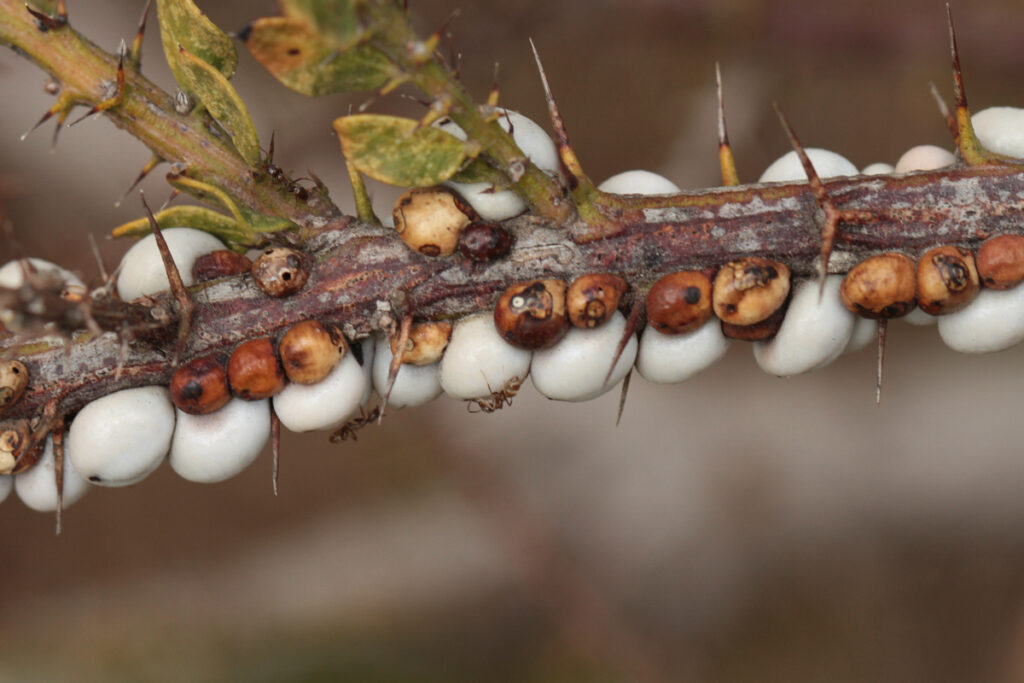
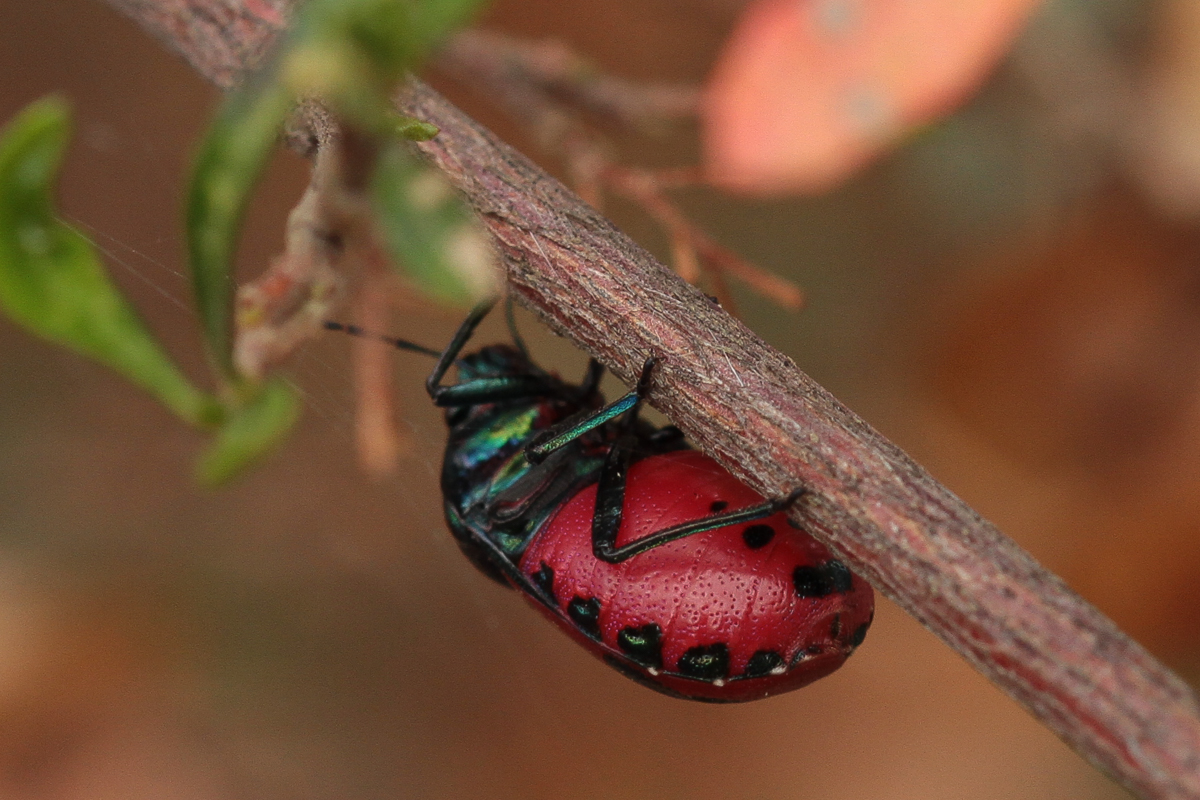
Here are some we have observed: