
Marsillea drummondii – Nardoo
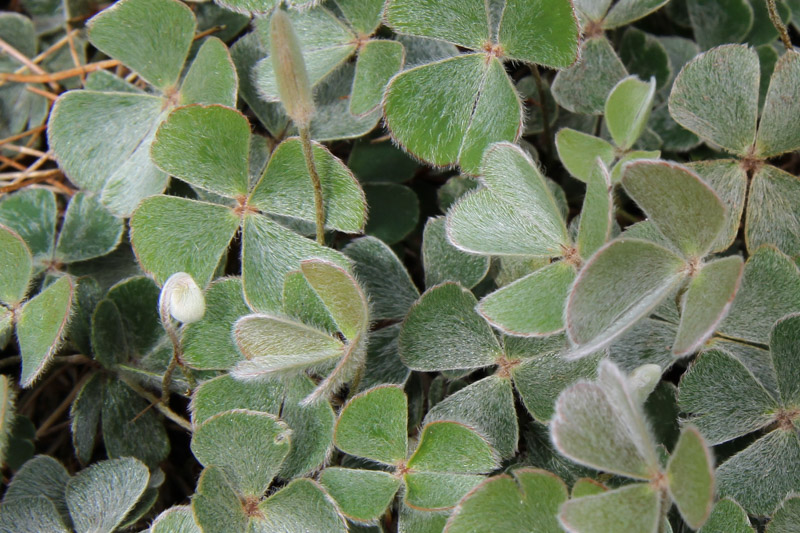
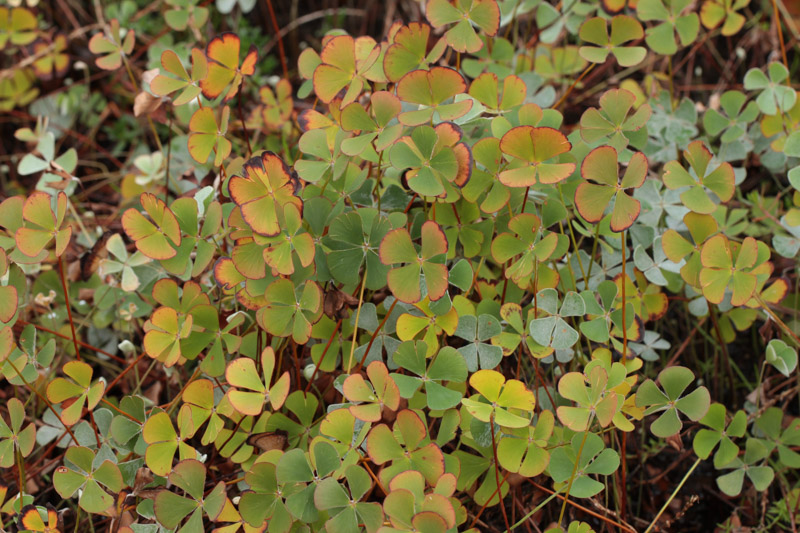
To 30CM. Aquatic or semi-aquatic fern with floating fronds. Silky, grey-green wedge-shaped “4 leaf clover” fronds, held above or on the water. No flowers. Single or clustered woody bean shaped sporocarps, generally appearing as water recedes after flooding
Malva Preissiana – Australian Hollyhock
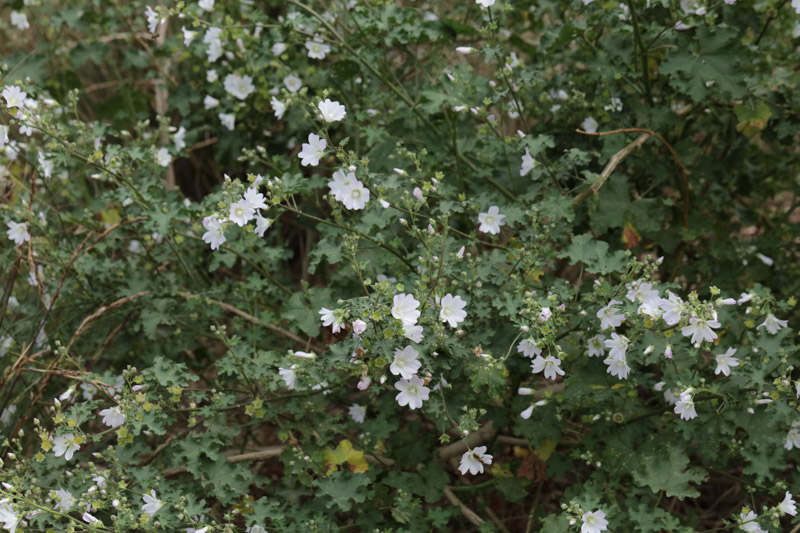
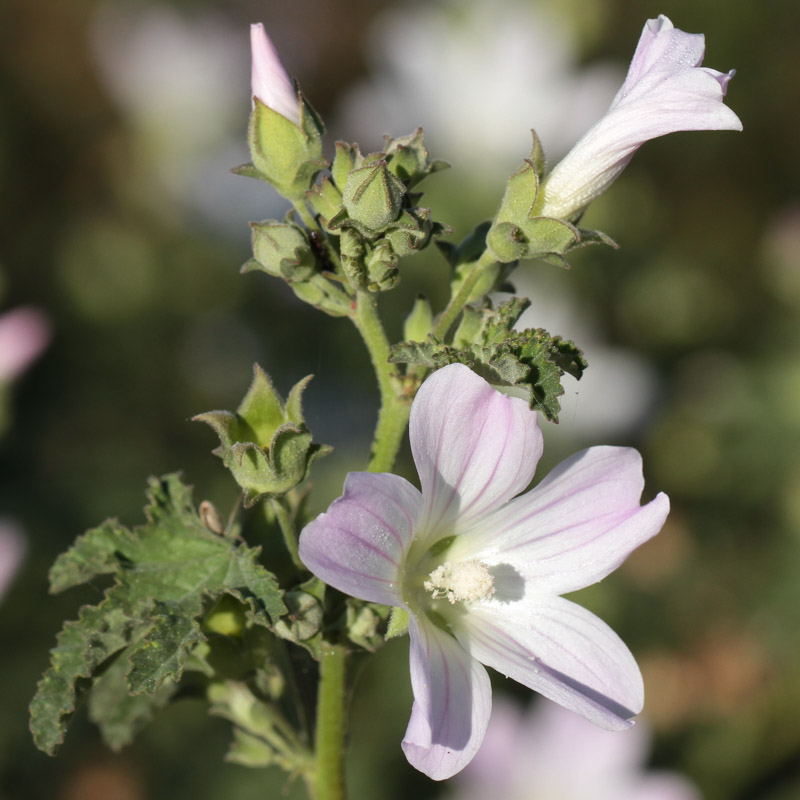
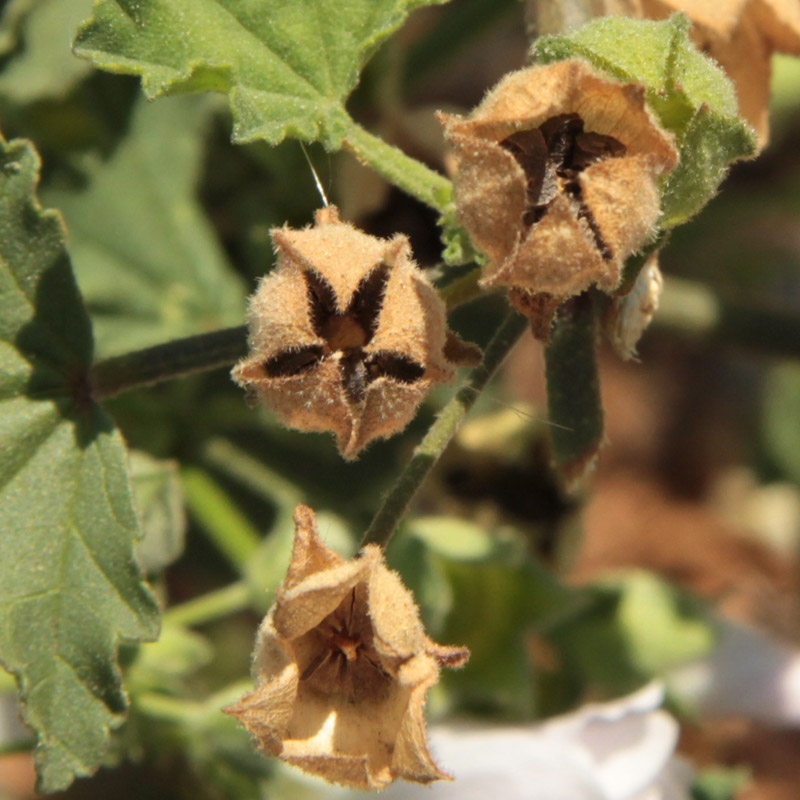
To 2M. Erect sub-shrub with downy to densely velvety star-shaped hairs. Long-stalked flat dark green 5-9-lobed leaves. Clusters of large, attractive, prominently veined pink, white or lilac flowers with lemon centres.
Lycopus australis – Australian Gypsywort
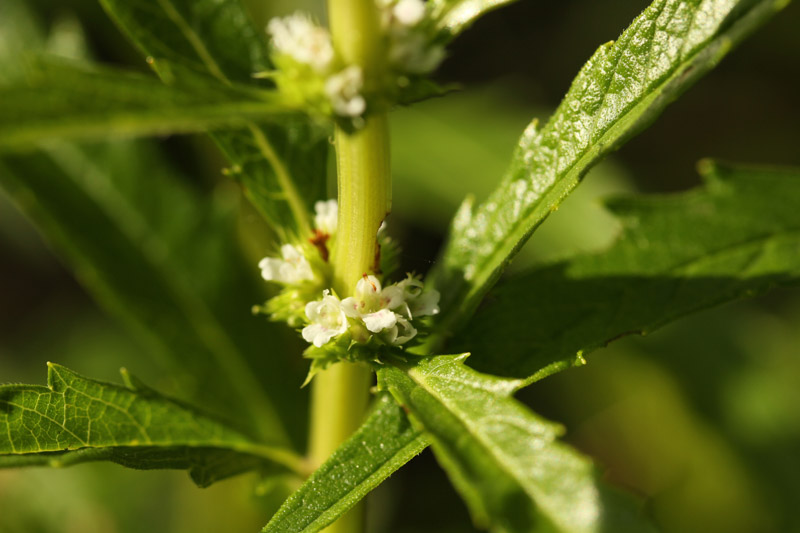
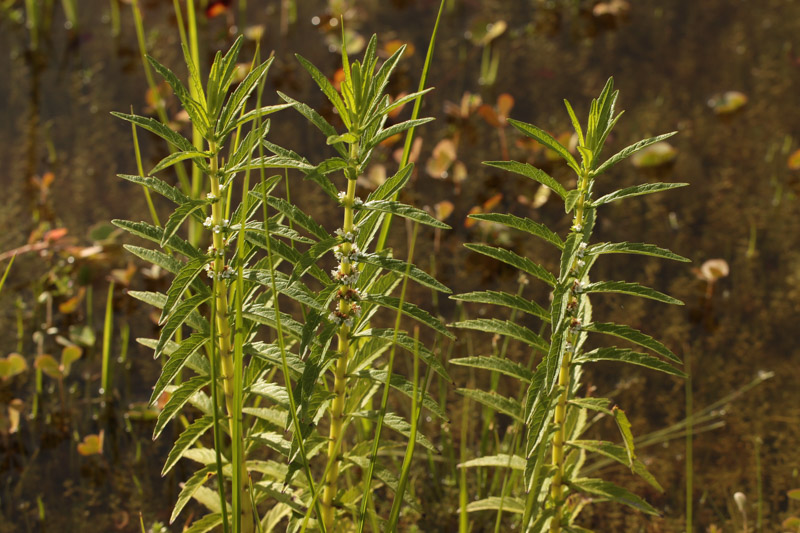
To 1.5M. Leafy, erect, unbranched perennial herb. Pairs of stiff, aromatic sharply toothed lanceolate leaves on stems which are quadrangular in cross section. Dense clusters of tiny 4-lobed white flowers in leaf axils. Flowers Dec-Apr.
Lobelia anceps – Angled Lobelia
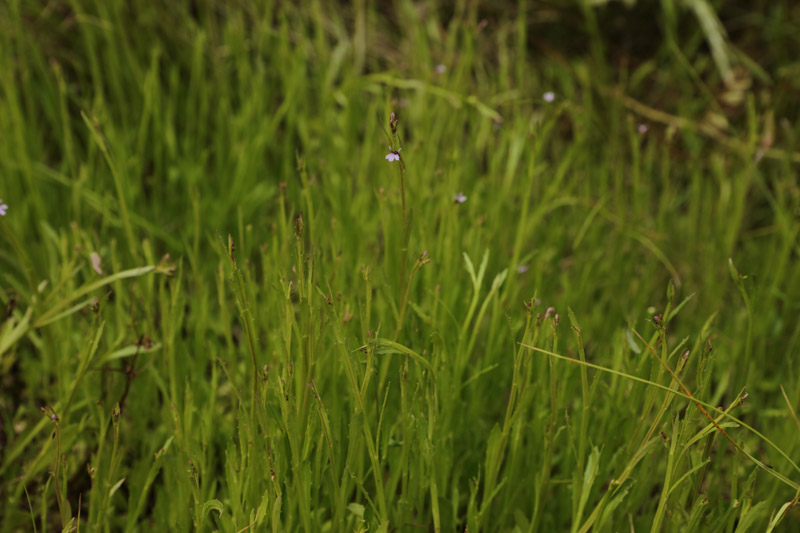
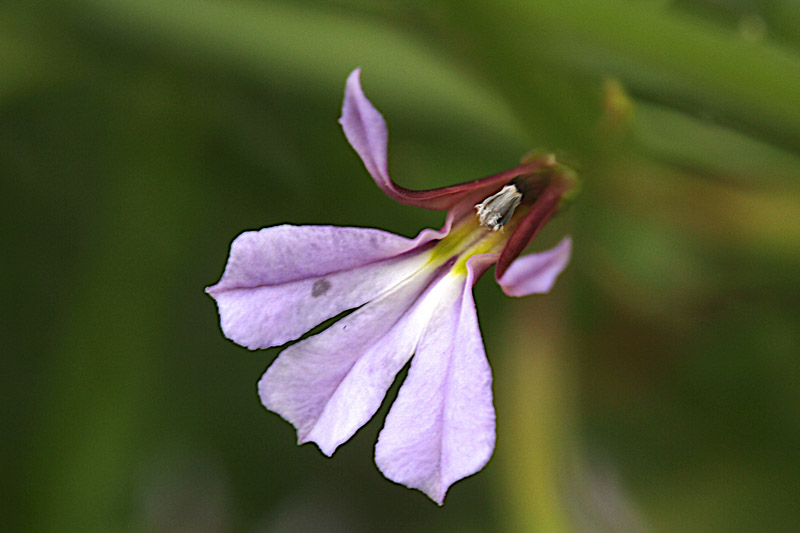
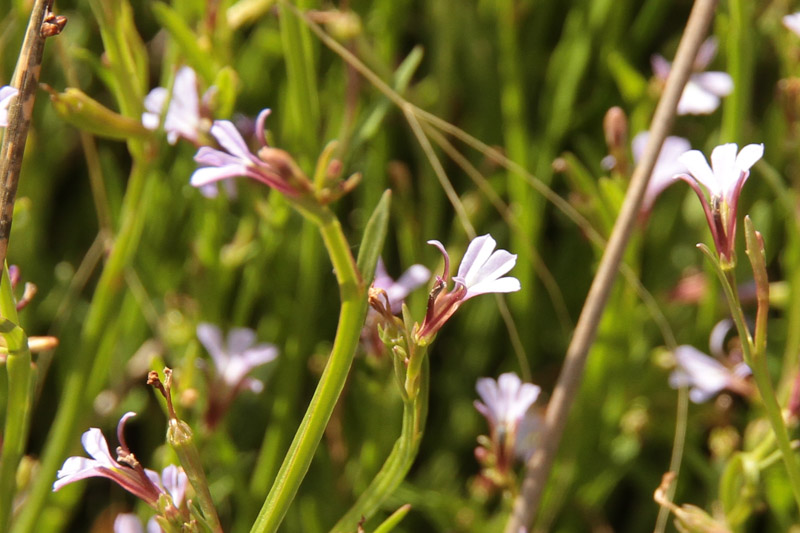
To 5CM. Suckering, spreading perennial herb. Soft, narrow-toothed leaves. Terminal sprays of soft, pale blue fan-shaped flowers Nov-Apr.
Leptospermum myrsinoides – Heath or Silky Tea-tree
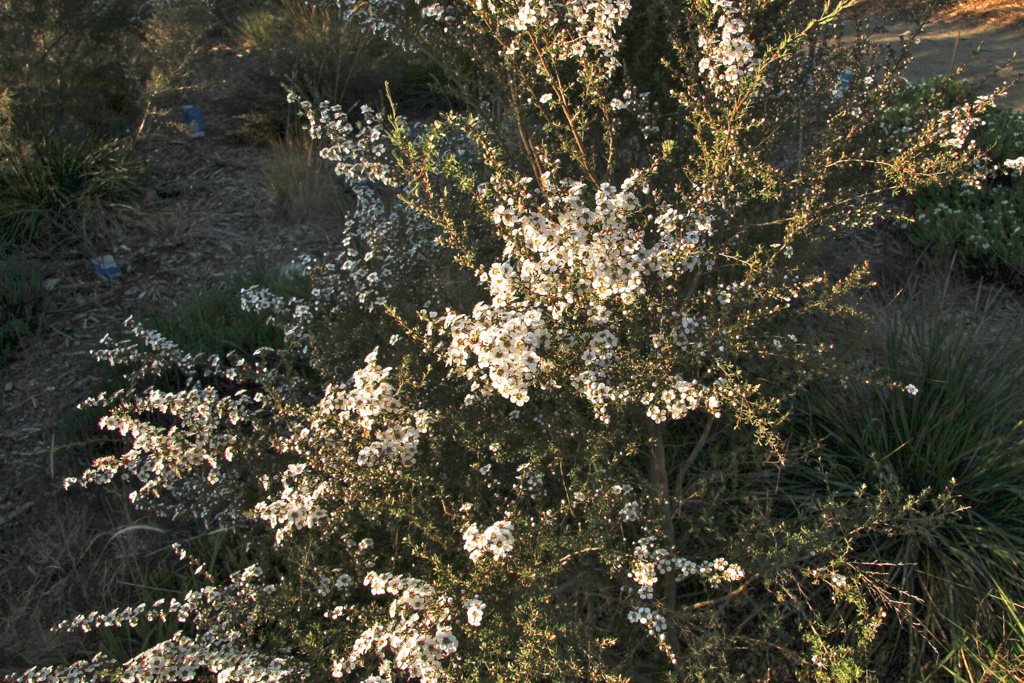
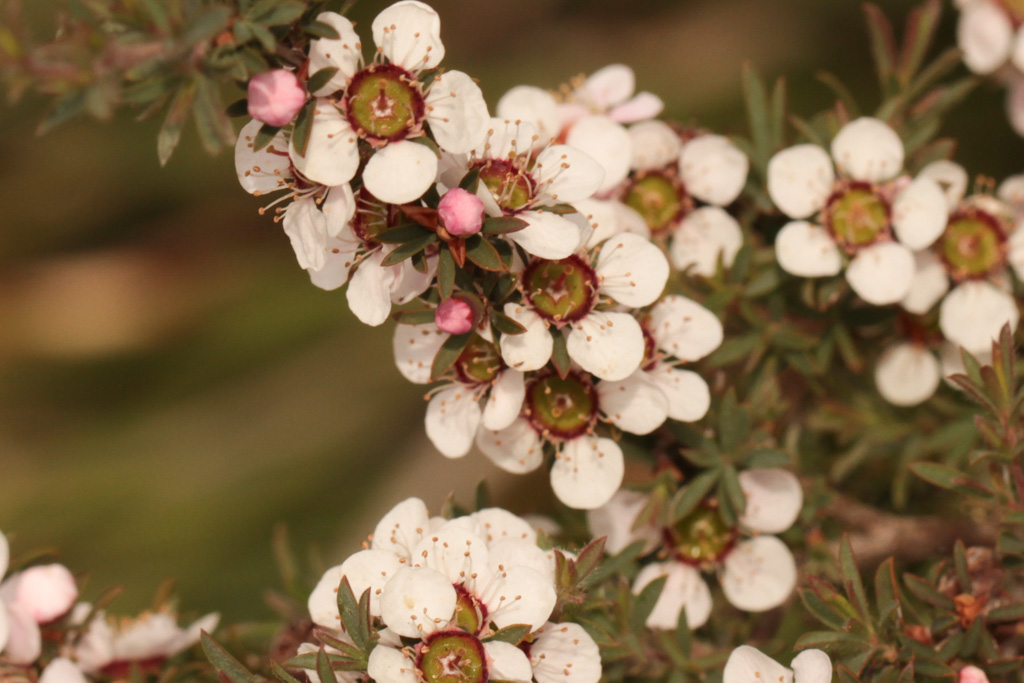
Ro 2.5M. Compact or wiry shrub. Dull green pointed leaves. White or pale pink 5-petalled flowers. Nectar source for butterflies and other insects.
Leptospermum lanigerum – Woolly Tea-tree
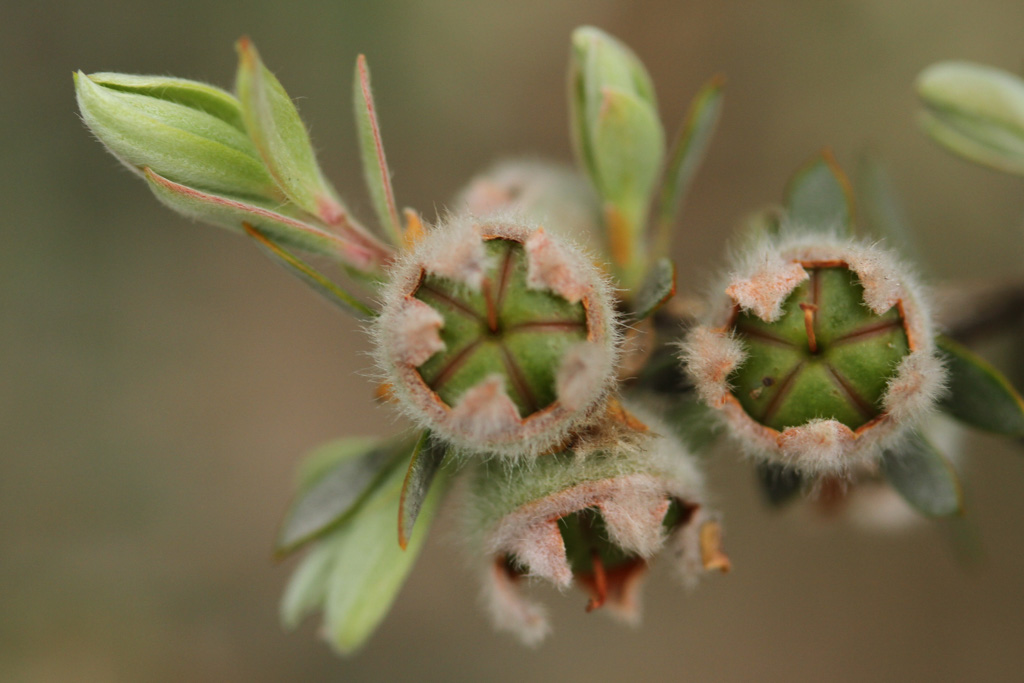
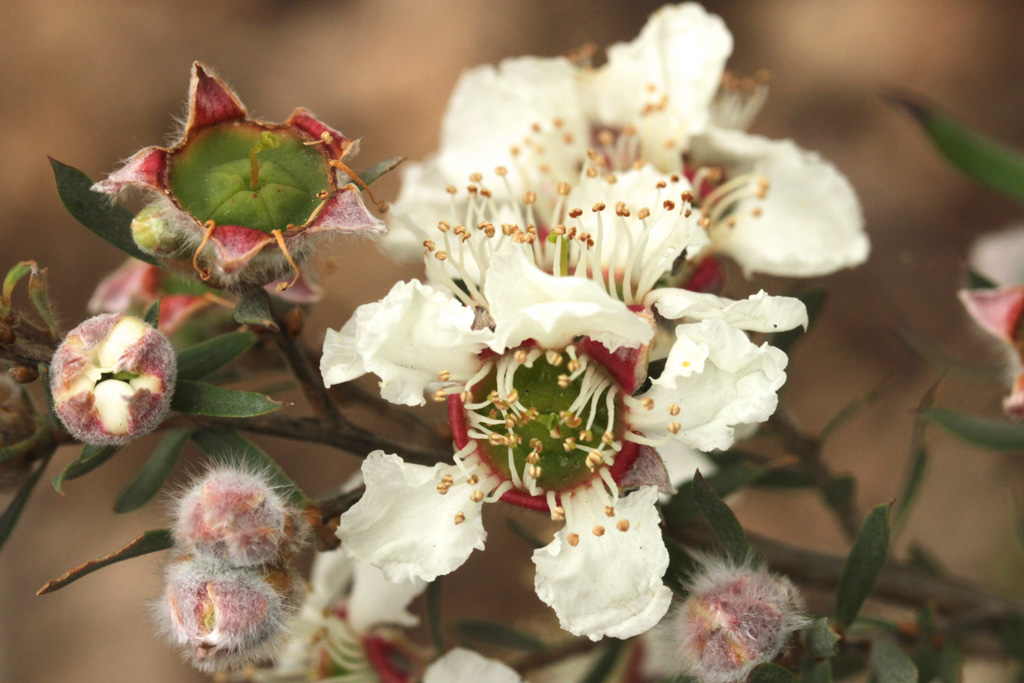
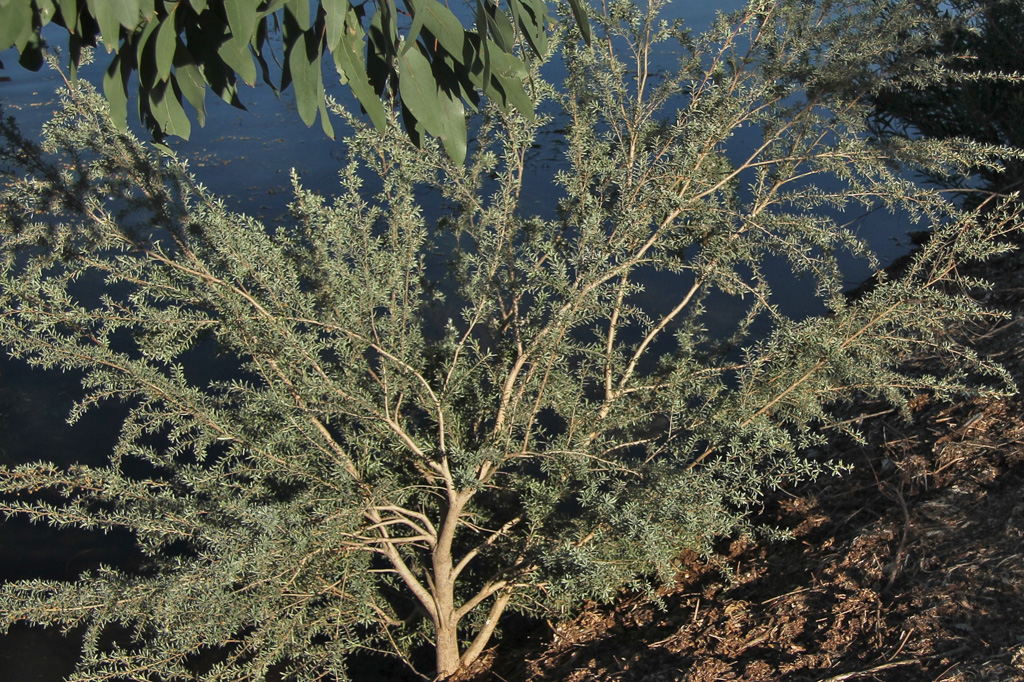
To 4M. Small narrow grey-green leaves. Young growth is silver and hairy on both sides. Masses of white 5-petalled flowers. Nectar source for butterflies and other insects. Flowers Aug-Sept.
Leptospermum continentale – Prickly Tea Tree
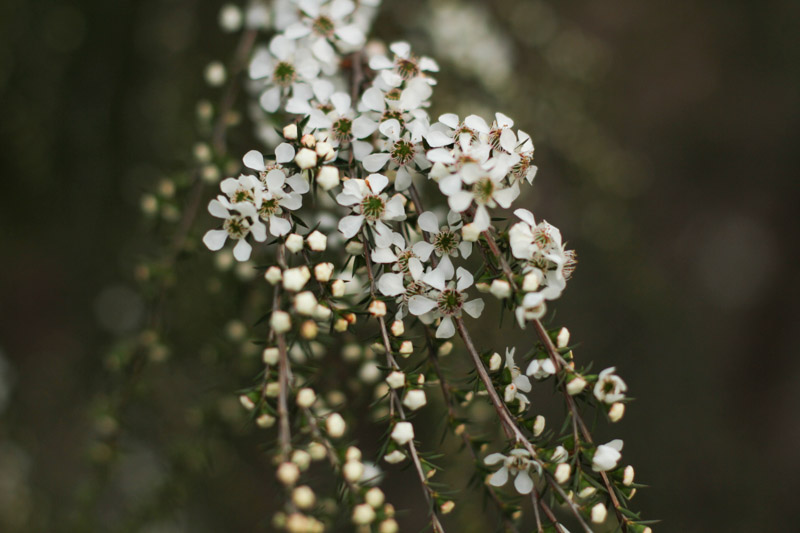
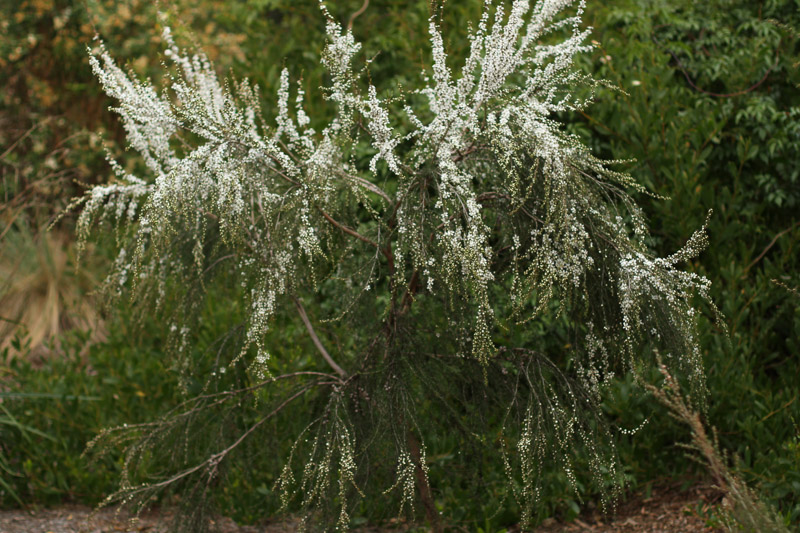
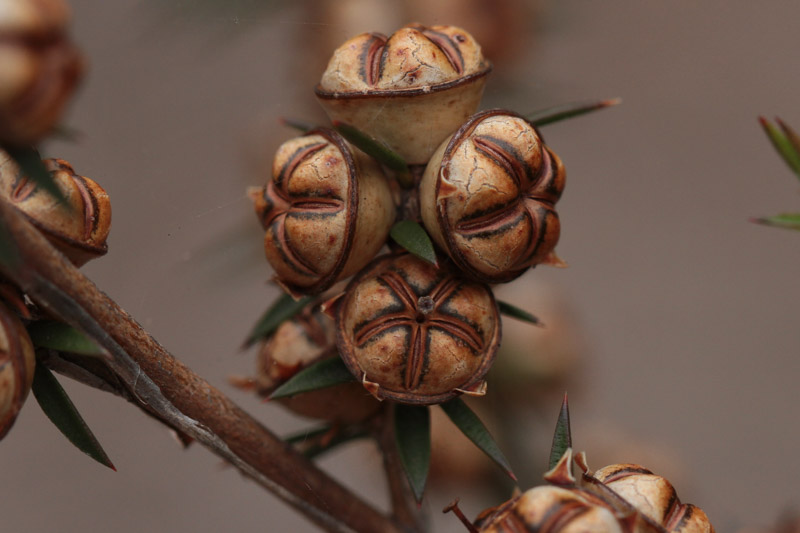
To 2M. Upright dense shrub, main branches stringy to fibrous. Small, rigid prickly dark green leaves.
Masses of small white 5-petalled flowers. Nectar source for butterflies and other insects.
Lasiopetalum baueri – Slender Velvet Bush
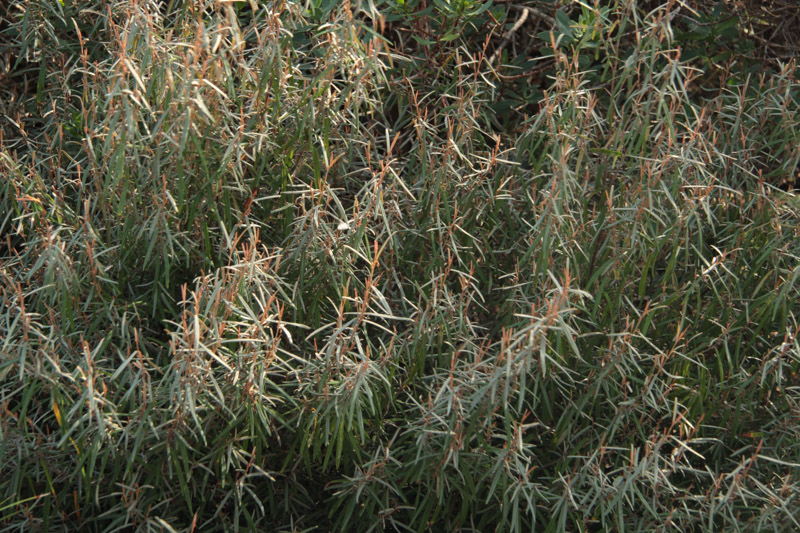
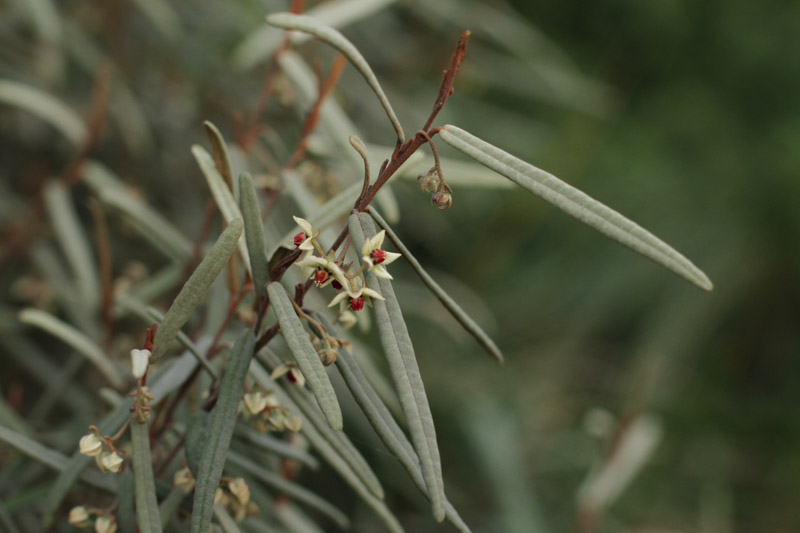
To 1M. Open shrub. Narrow grey-green leaves pointing downwards, especially in dry conditions, hoary or rust-coloured below. Small loose groups of cream to pale pink flowers, greenish towards the base. Flowers Sept to Nov.
Juncus pallidus – Pale Rush
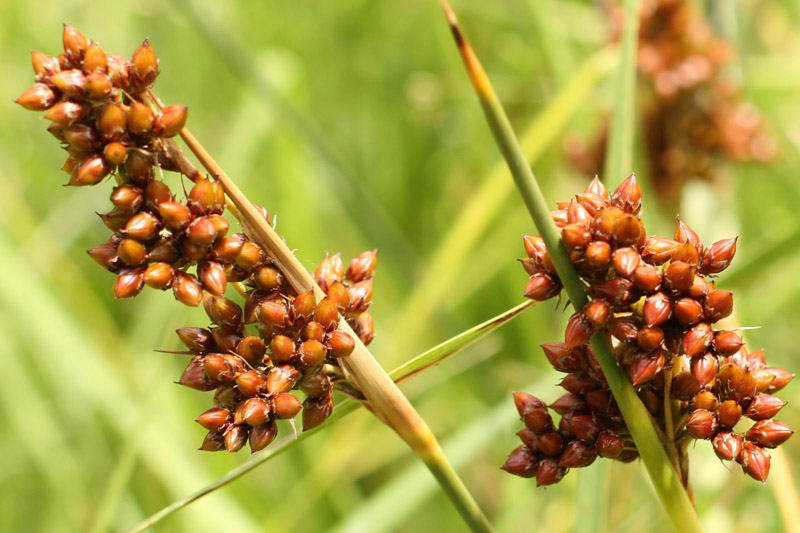
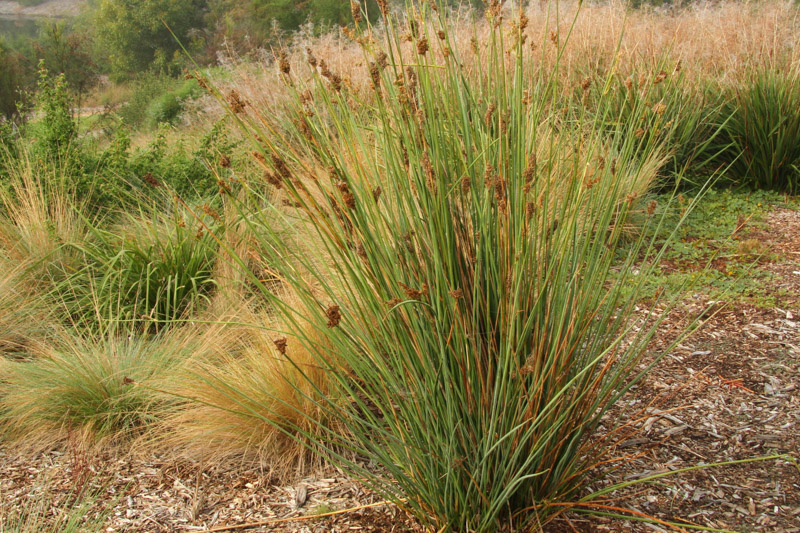
To 2M. Robust perennial tuft. Long dull green to blueish-green stems with similar narrow leaves. Erect panicle with many straw-coloured flowers scattered or clustered. Flowers Dec-Apr.