In the pink
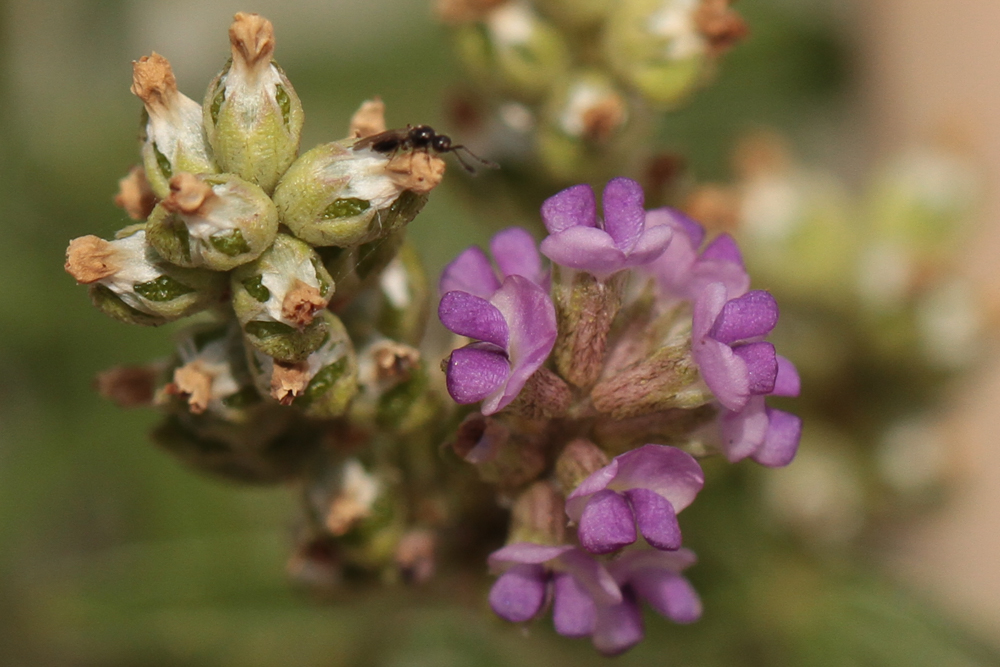
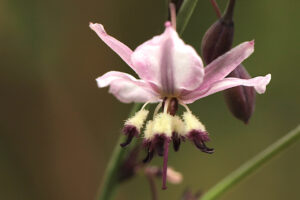
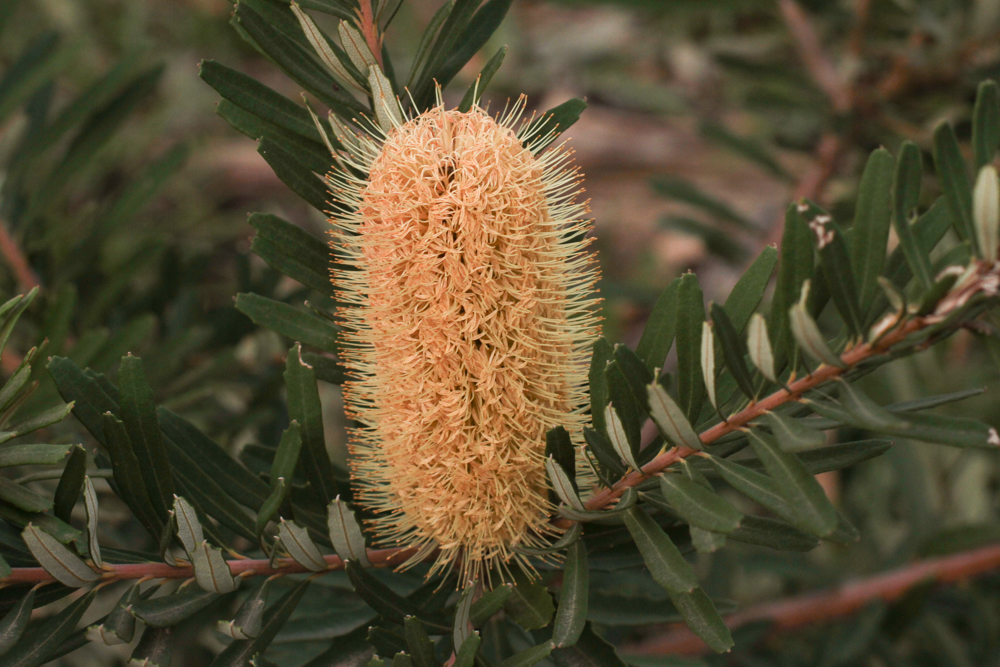
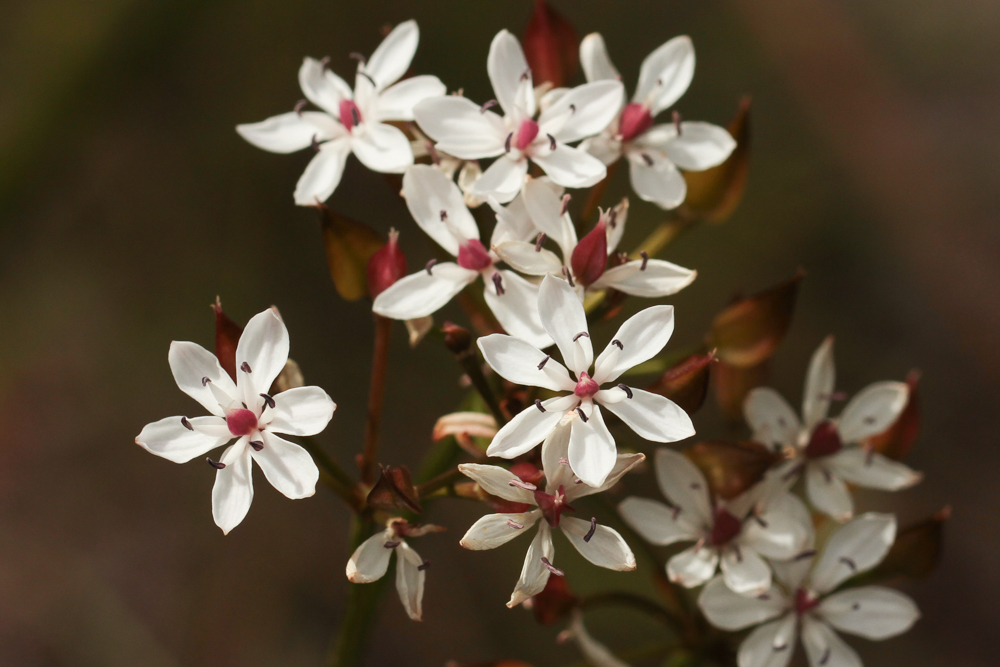
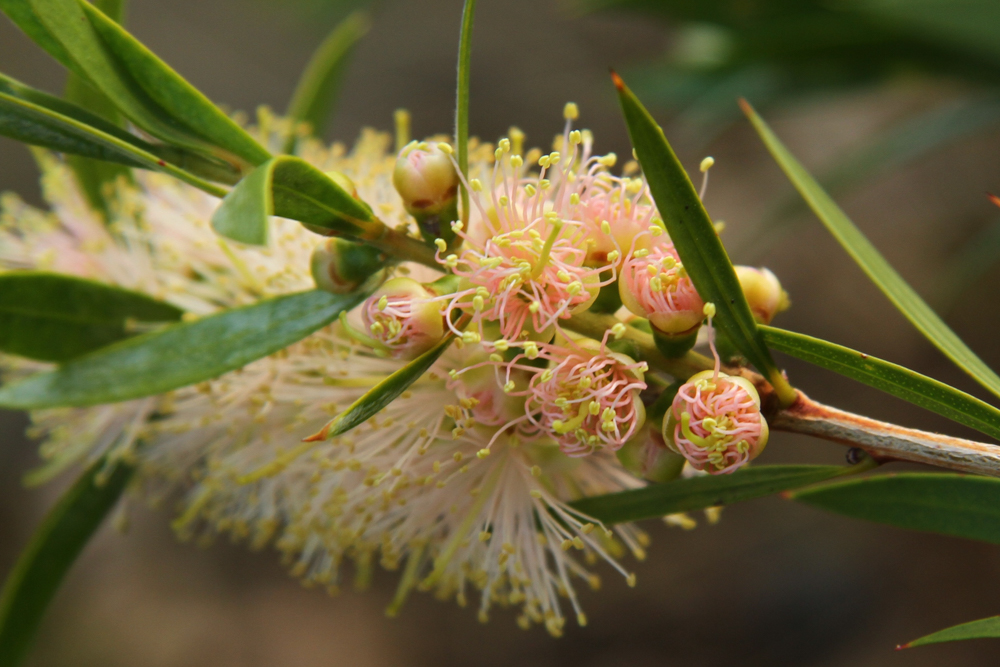
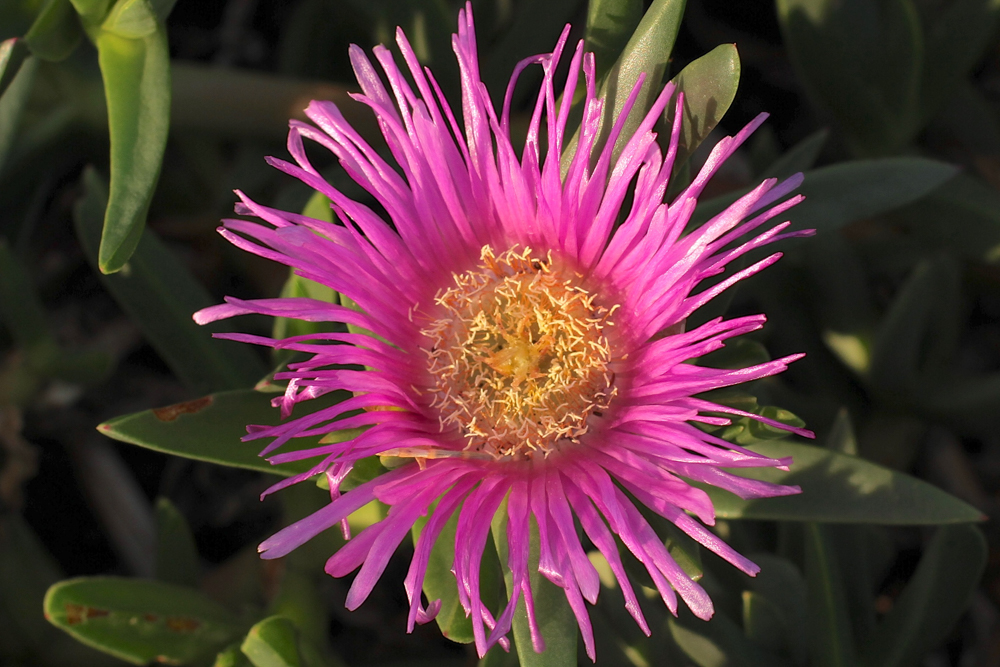
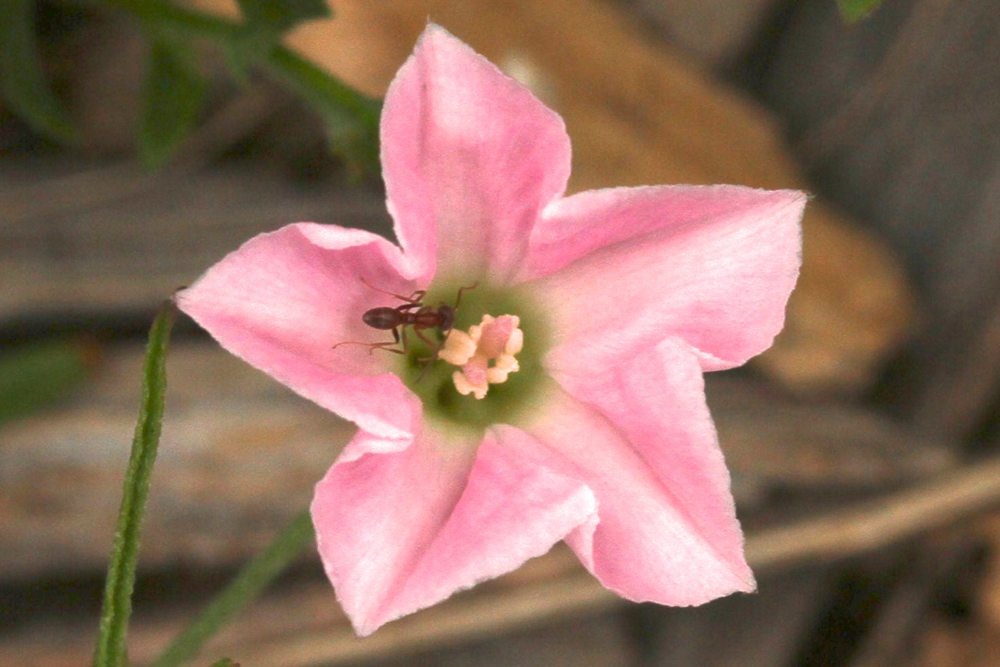
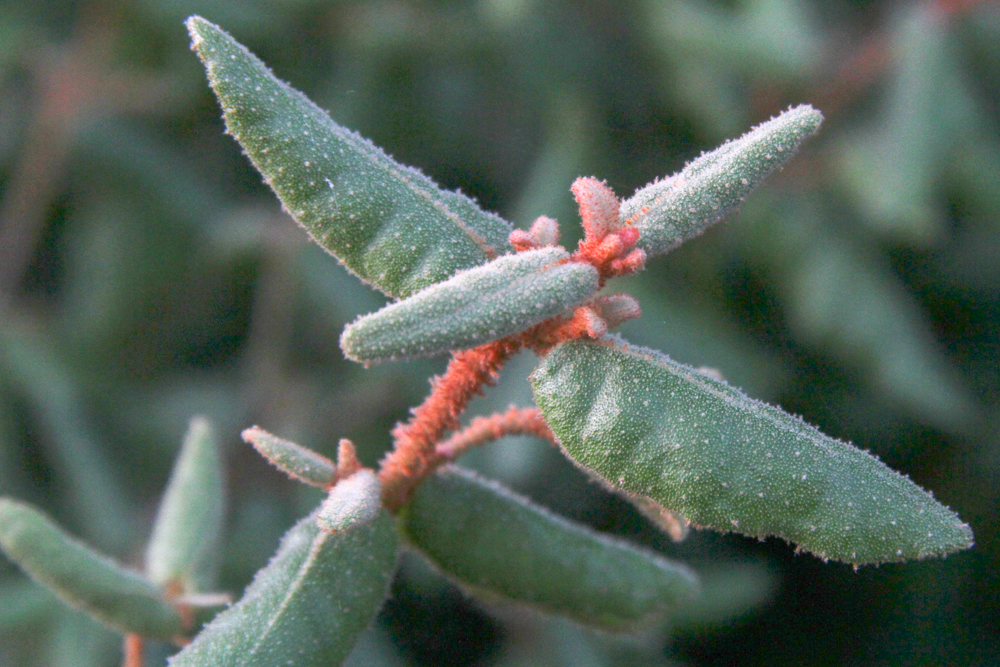
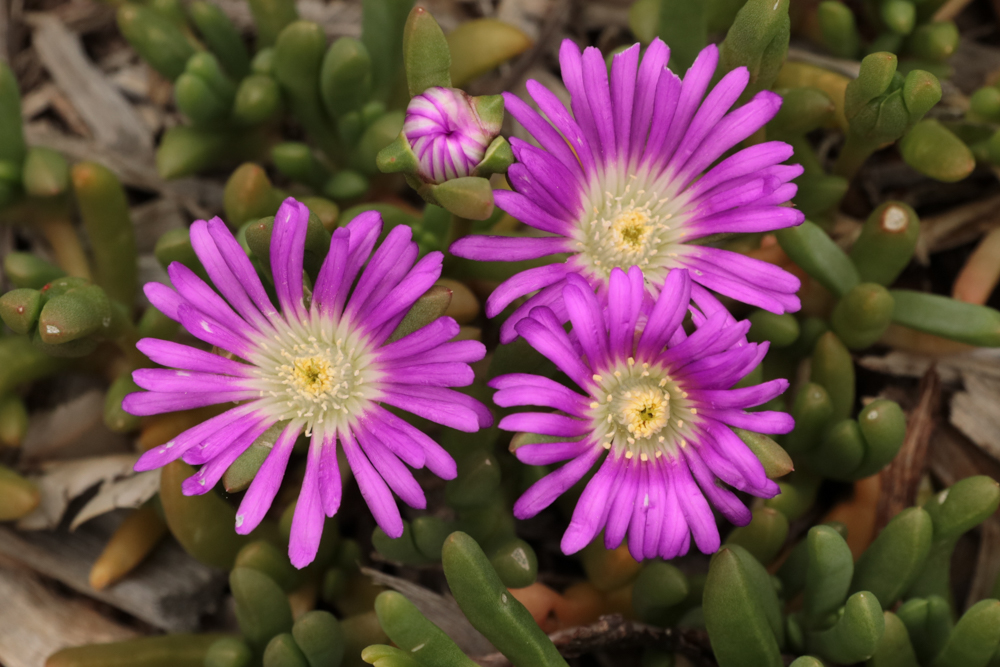
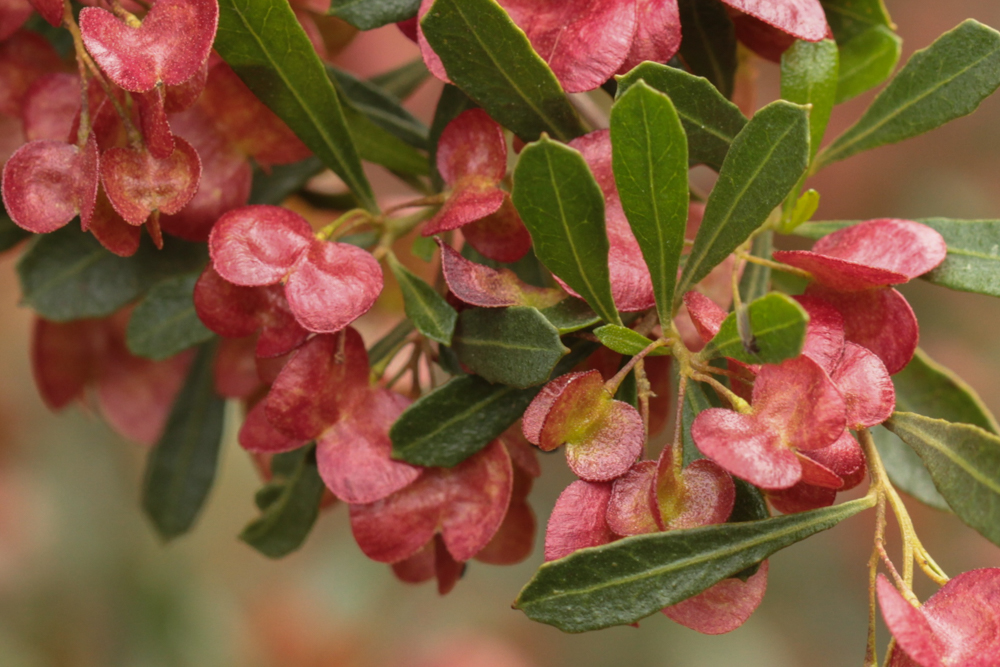
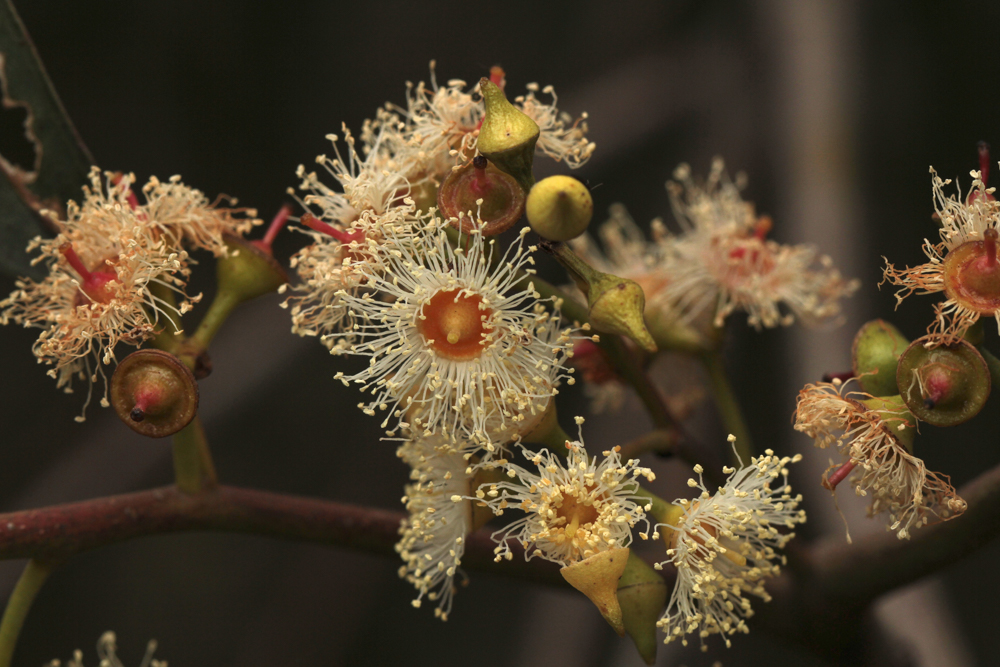
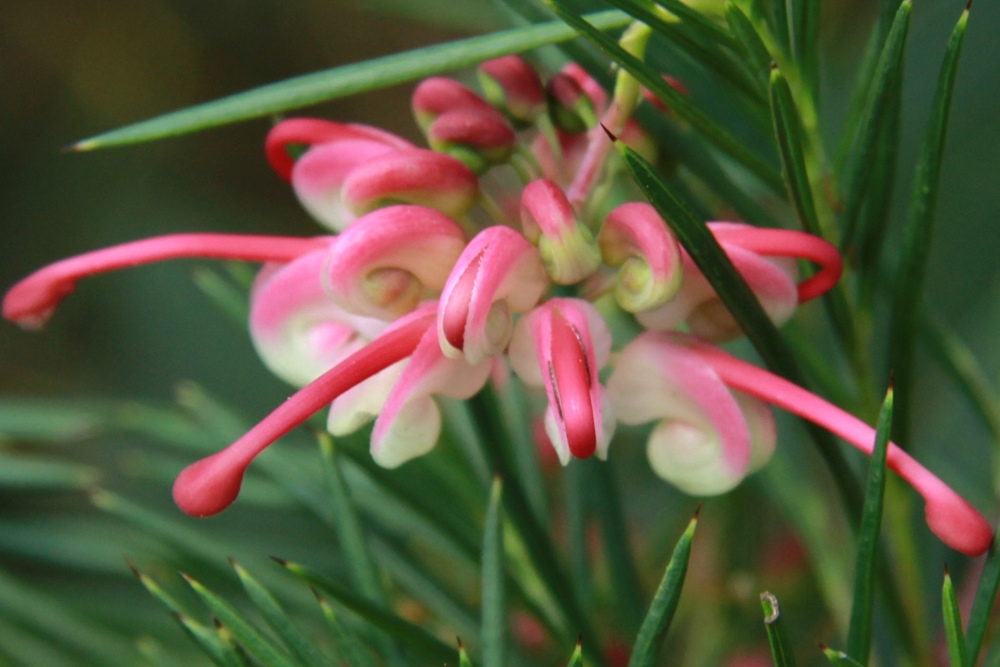
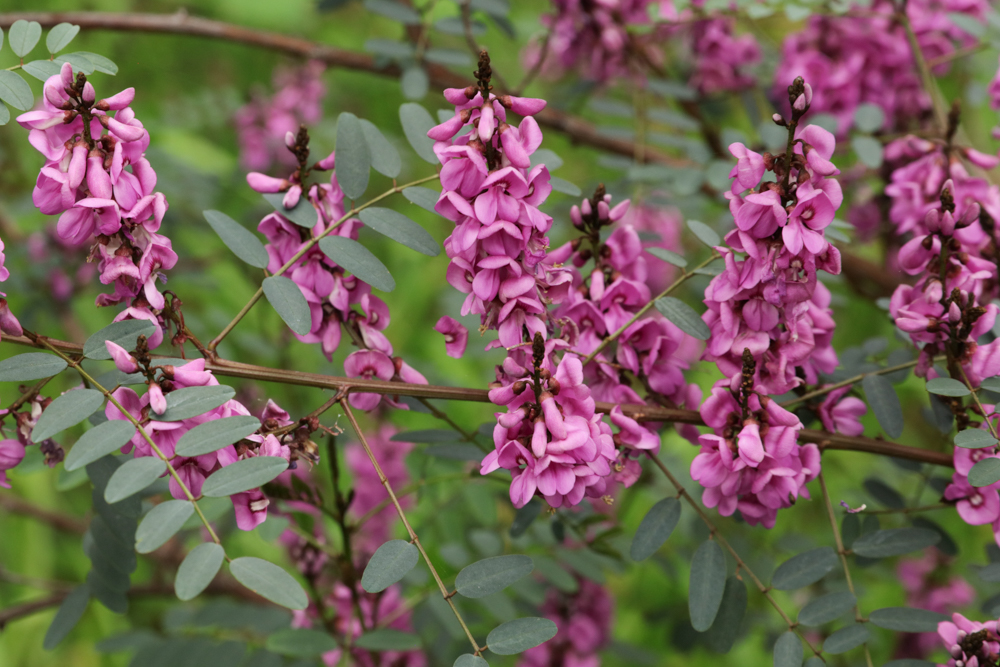
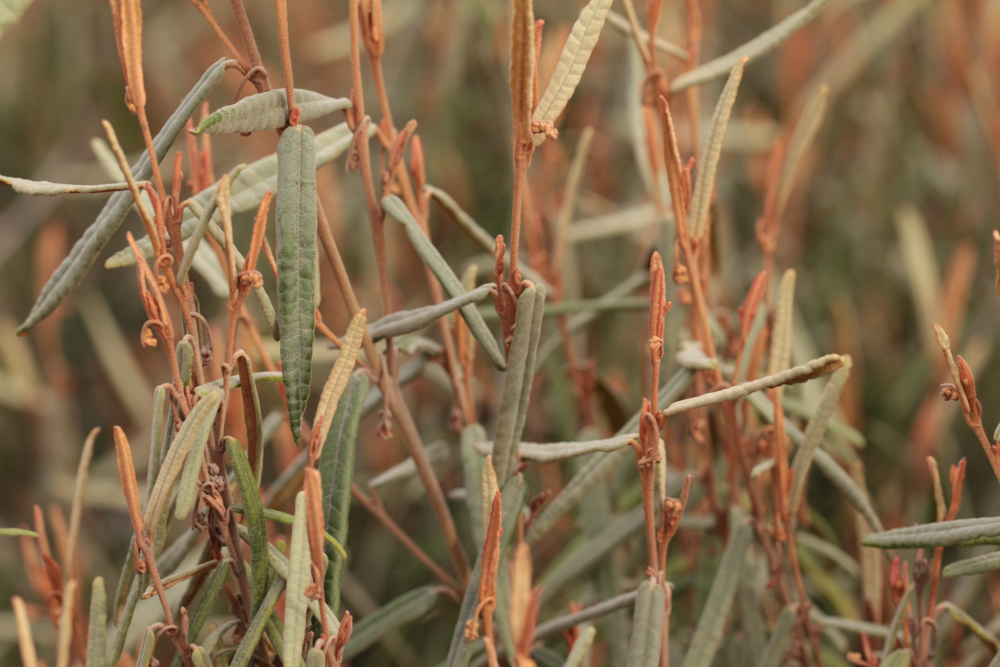
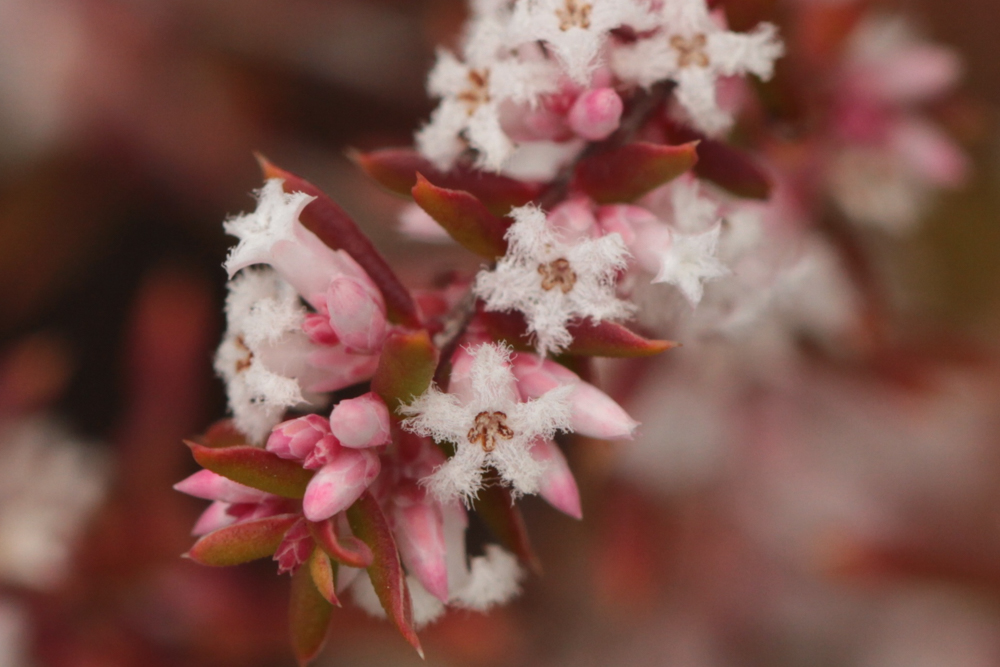
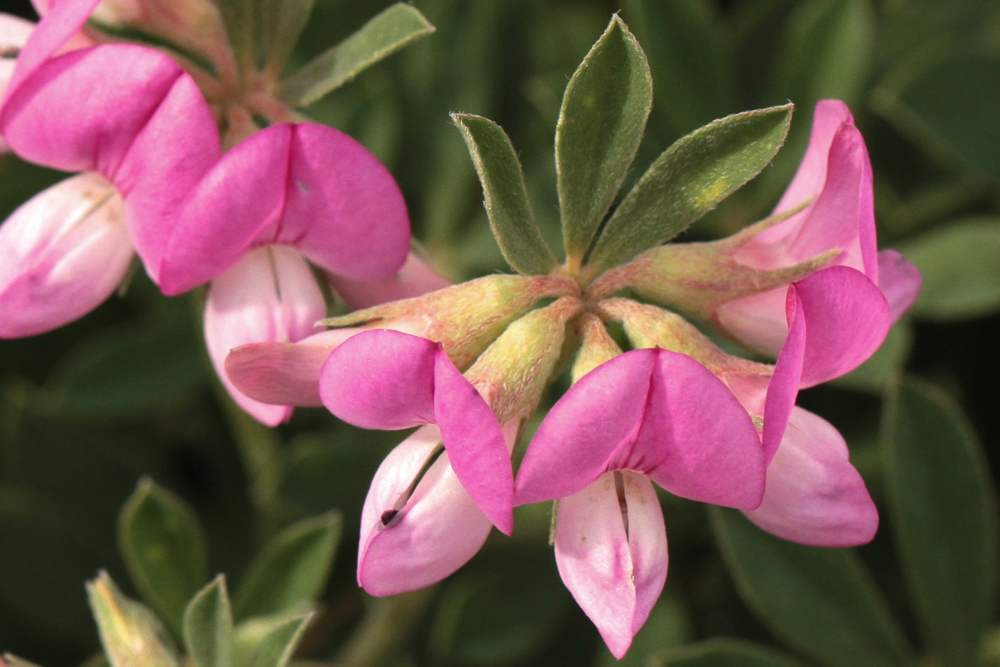
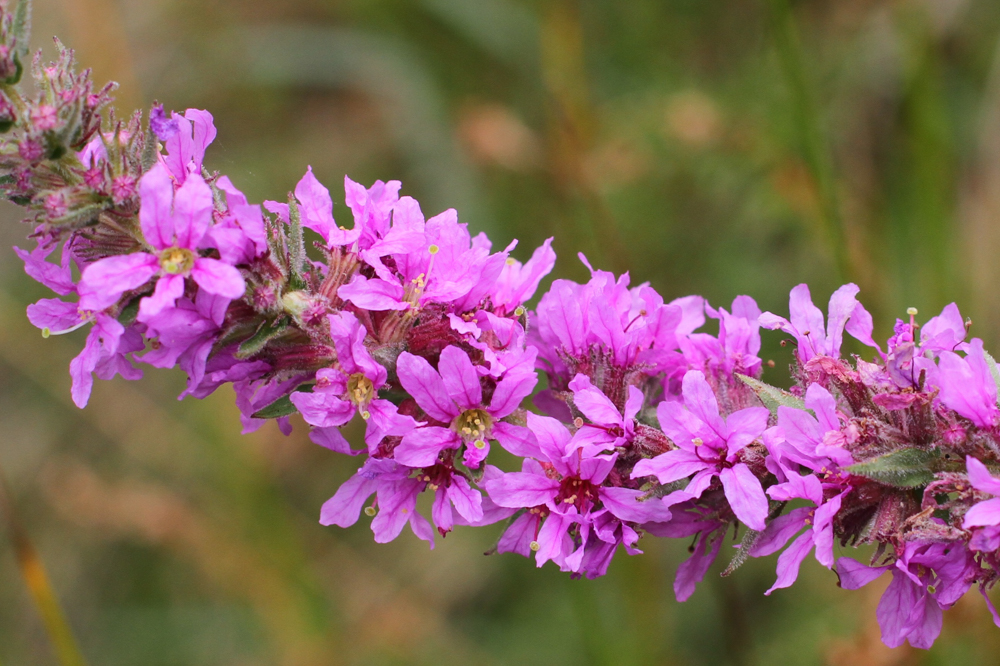
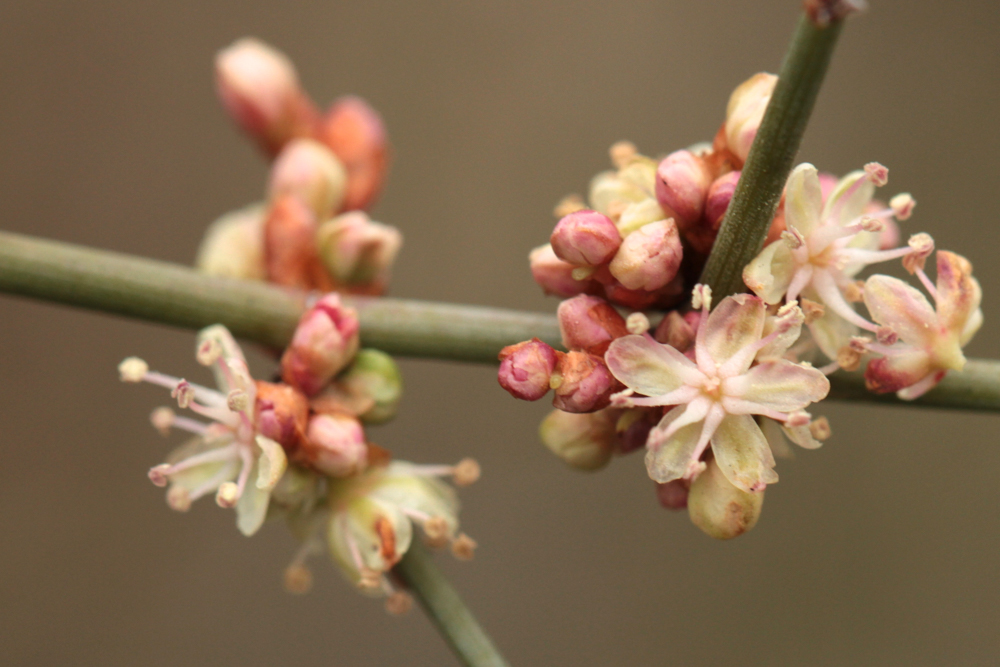
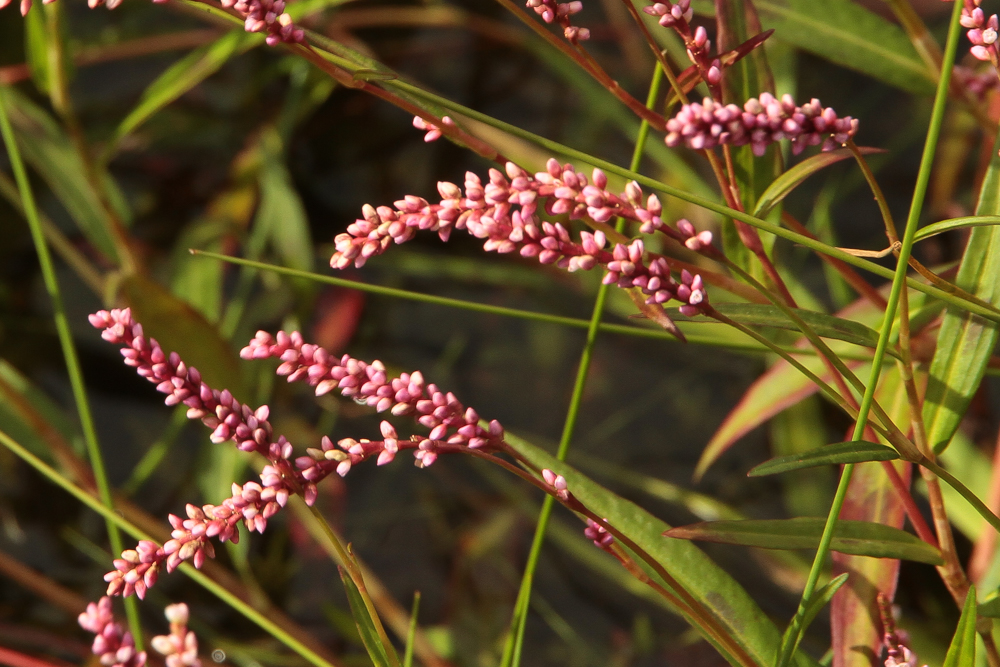
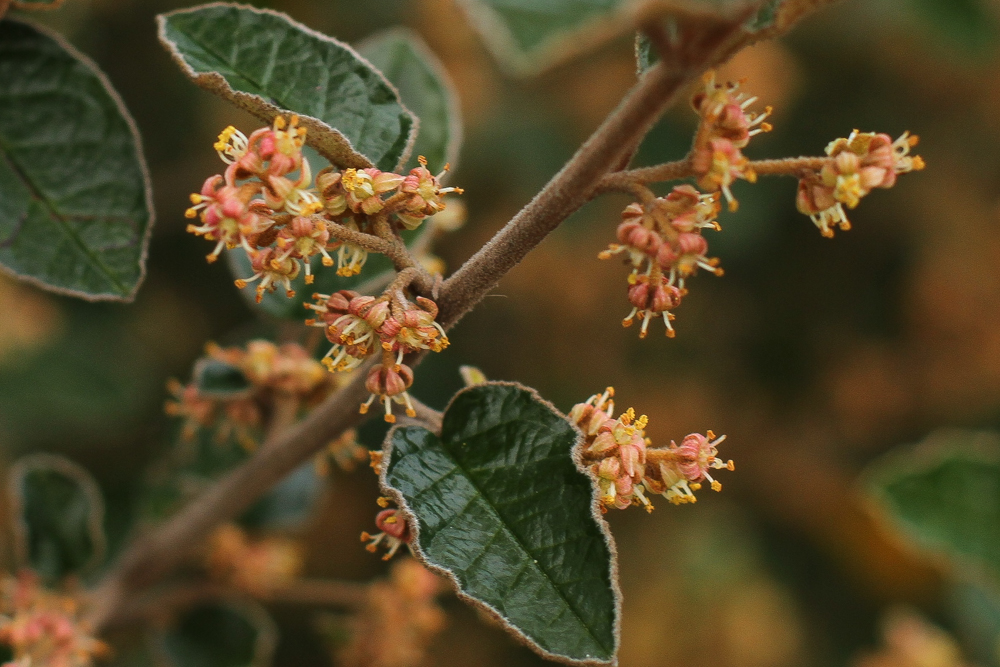
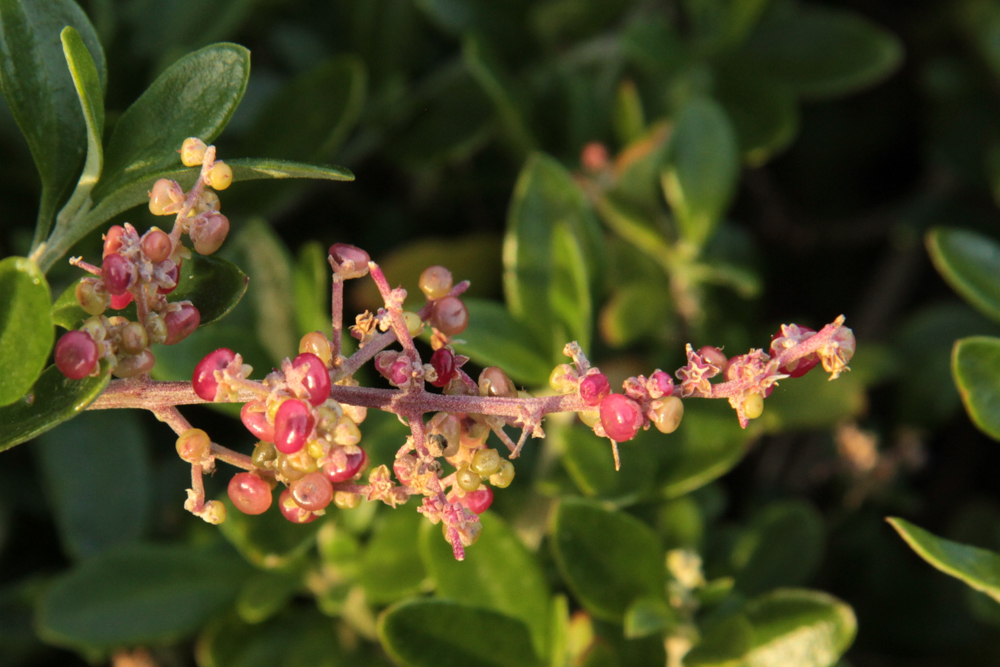
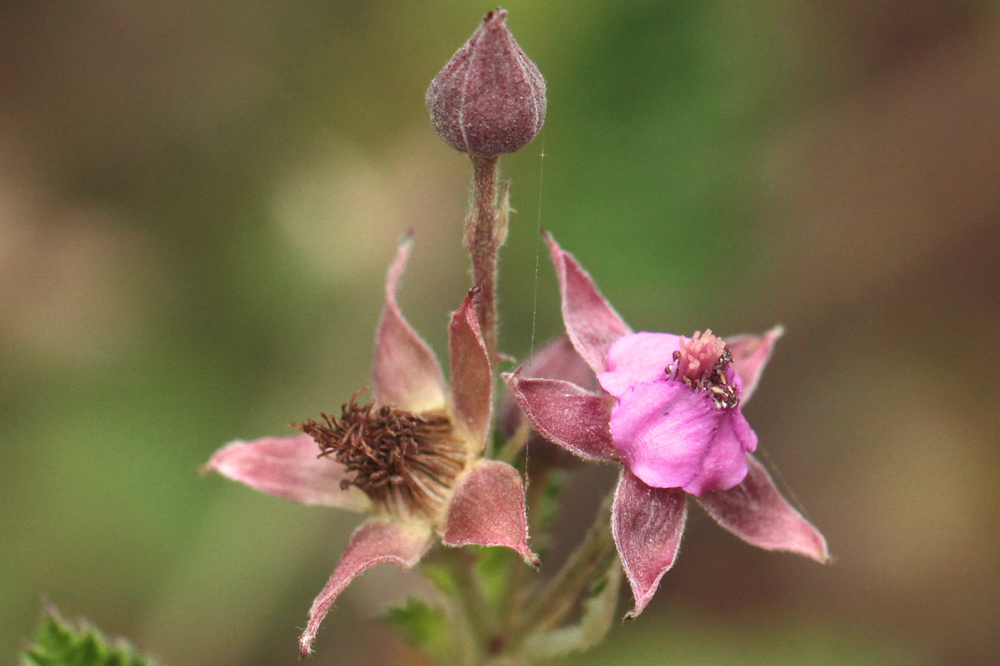
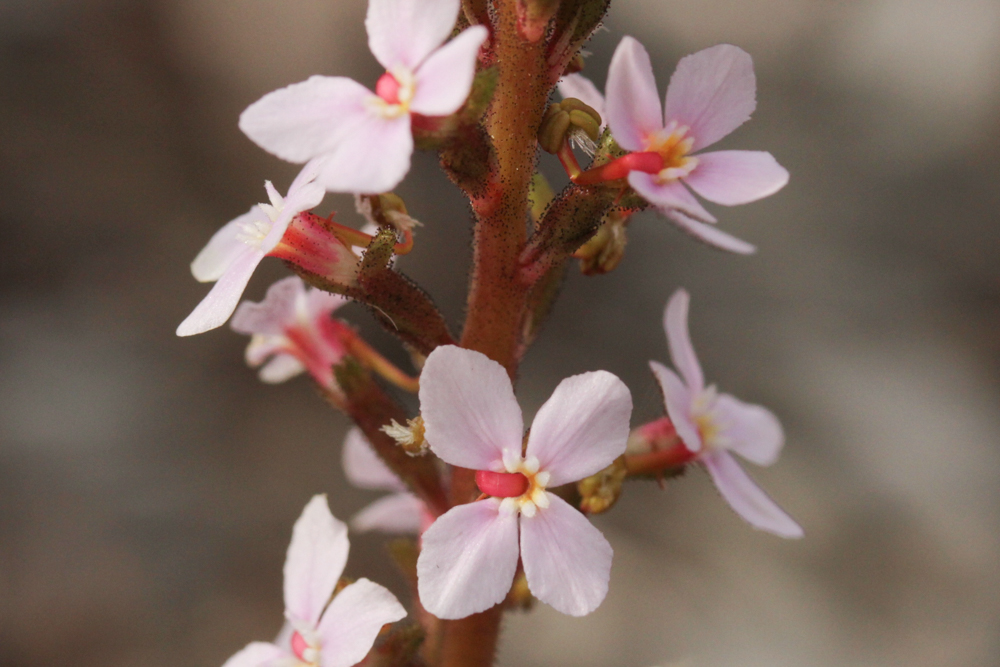
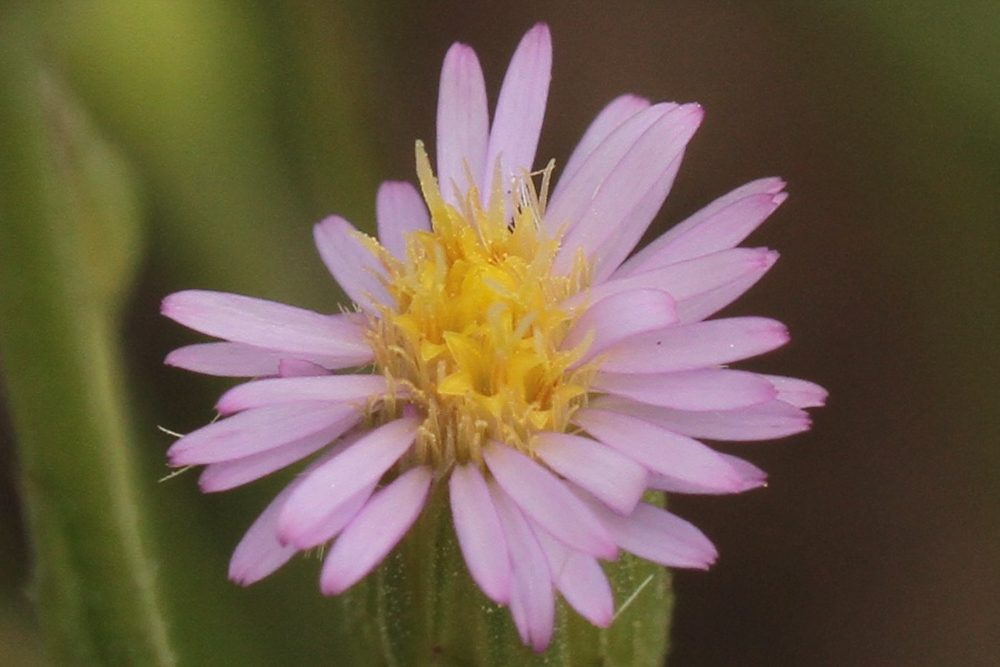
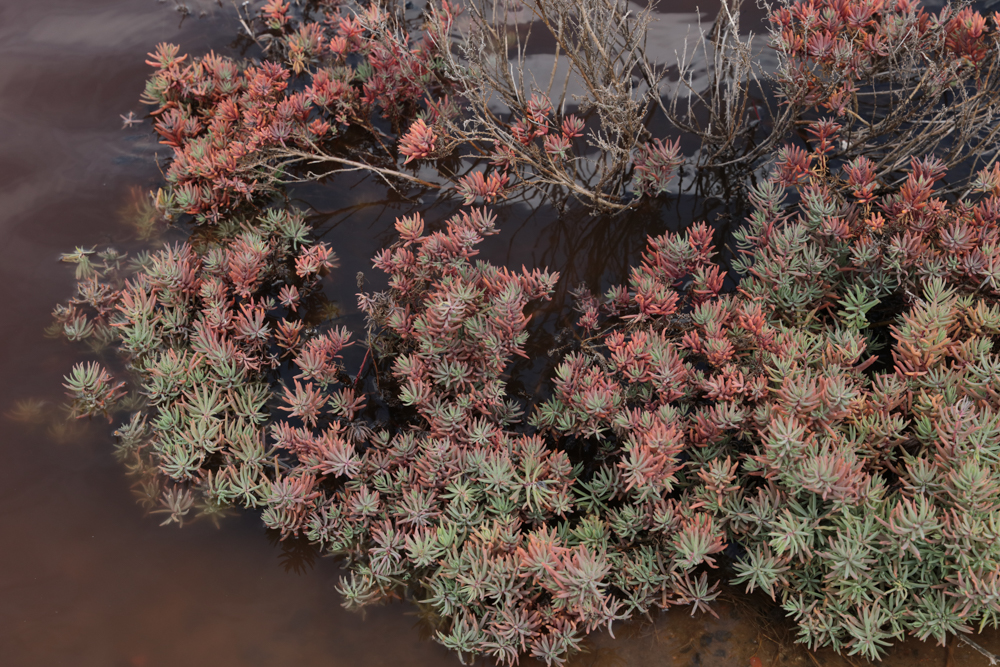
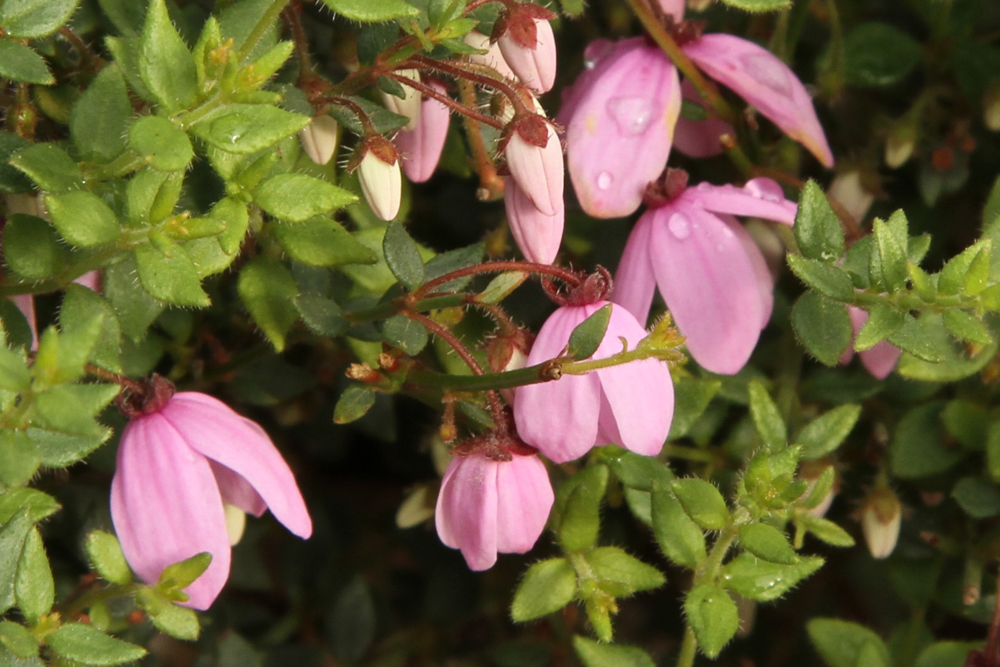
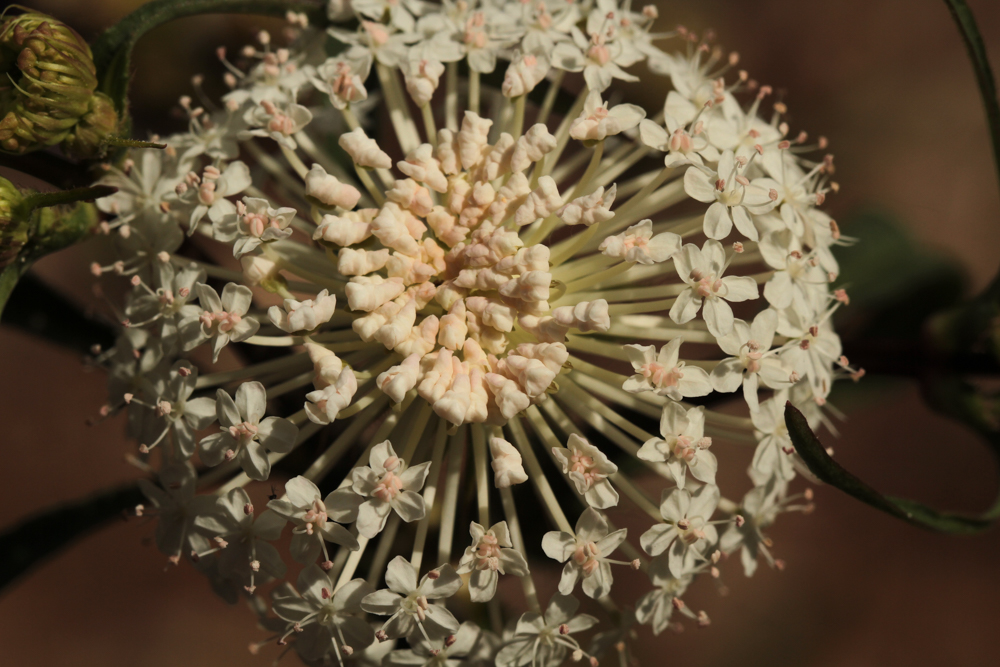
Many indigenous plants in Westgate Park are tinged with pink and we don’t often notice. But they are everywhere!
In nature, each colour exists for a reason, depending on the species, on environmental conditions, and on evolution. Read more on this.
From the ground up film festival

It was wonderful to see our stars – Bim, Baida, Mars, Rob and Naomie – telling the stories and showcasing Westgate Biodiversity: Bili Nursery & Landcare and the Park so brilliantly. Well done all!
You will be able to see the full video – Landcare at 40 shortly on YouTube and here are some of our crew on the night.
5 Oct bird survey

Some 50 mm of rain fell on Westgate Park on Friday 2 – Saturday 3 October. On Monday 5 October, a dozen volunteers joined the regular survey team as part of the Birrarung Riverfest, run by the Yarra Riverkeeper Association to promote greater community interest in, knowledge of and empathy for the river, which has been so important to Victoria over the millennia, including since the arrival of Europeans.
Two of the park’s most recent additions are biodegradable art installations ‘straw-towers’ at Railway Dam at the western end of Freshwater Lake, which double as small nesting towers. We are pleased to report that Superb Fairy-wrens have already seized this opportunity to surmount the housing crisis. No doubt Horsfield’s Bronze Cuckoos and Grey Butcherbirds will soon be doorknocking.
This survey is remarkable for the minute number of Rainbow Lorikeets. It seems unlikely such a small number will continue.
7 Sept bird survey

Thanks to bountiful recent rains, both main lakes are nearly full. Nevertheless, two Black-fronted Dotterels were observed, much to the surveyors’ surprise given the current limited area of bare shoreline.
During the last month, numerous trees have been cleared along the park’s northern boundary, as part of a new data centre construction project. This has probably encouraged Noisy Miners to come into the park from neighbouring landscaped spaces. As it is, almost all birds observed were close to the park boundaries.
Nesting has started for several species, and there are numerous blue males amongst the population of Superb Fairy-wrens.
A further 24 species were recorded on eBird over the last month in addition to today’s tally of 45. This indicates how important it is to include these records to get a clearer understanding of the bird diversity that occurs in Westgate Park.
Some observations from Ursula
I was in the park on the 31st August and saw a good number of birds and noticed a couple of Dragonflies. Two days later there were Dragonflies everywhere which attracted many Silver gulls to the park for the feast. Spring has defiantly sprung and the birds looked happy. I managed to get a shot of the Little Grass Bird we have been hearing of late. Also, a Grey Fantail.
Birds are feasting on the nectar of the flowering plants in the park as well as Lerp on the gums.
3 August bird survey

Recent rains have raised levels in the major water bodies, and with the Little Ravens carrying nesting material, the brood of eight young Pacific Black Ducks after displaying mating behaviour, and a White-browed Scrubwren with a bill full of insects, possibly returning to feed young in a nest suggests breeding in the park is well under way.
The most significant sightings for July in the park were a Southern Boobook, two visits by a single Yellow-tailed Black-Cockatoo, and very brief glimpses of a Buff-banded Rail and Little Grasbird both of which evaded Ursula’s camera.
The number of male Superb Fairy Wrens moulting from brown to blue plumage has increased dramatically over the last few weeks – 57 were counted with 9 blues on the 6 July survey, and today 44 were counted with 19 blues. Moulting was noted by two other completely unrelated species, Black Swan and White-browed Scrubwren, with the former being rendered flightless and the latter just not looking its best.
The park looks attractive, thanks to the Westgate Biodiversity – Bili Nursery volunteers and the Melbourne City Council-SERCO team. The several localities damaged by arsonists are slowly recovering. Numbers of Common Mynahs appear to be declining in the park.
Albert Park College propagates, tests soil!
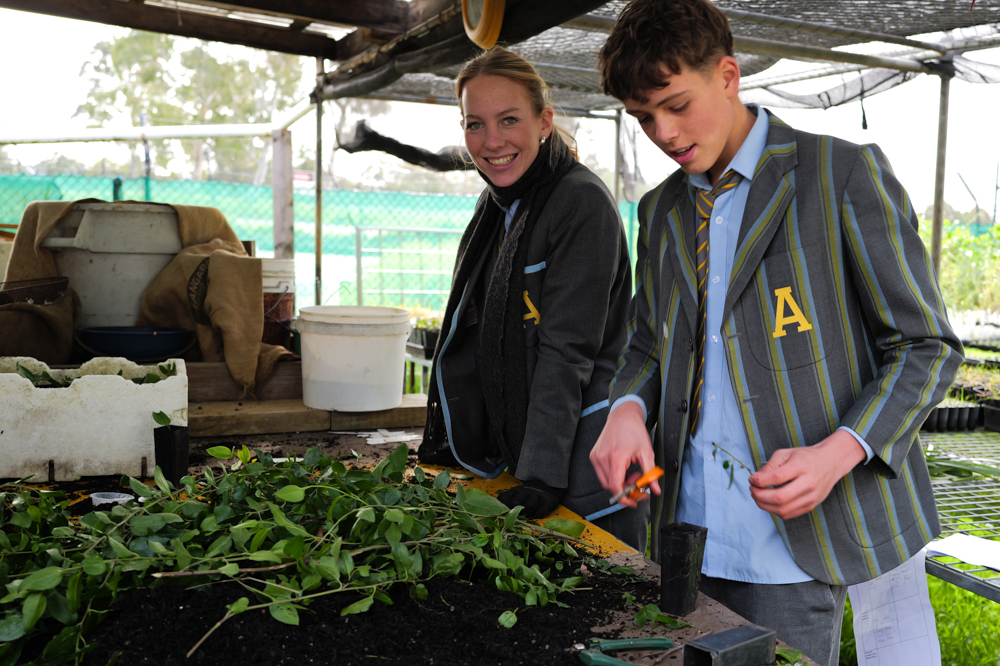
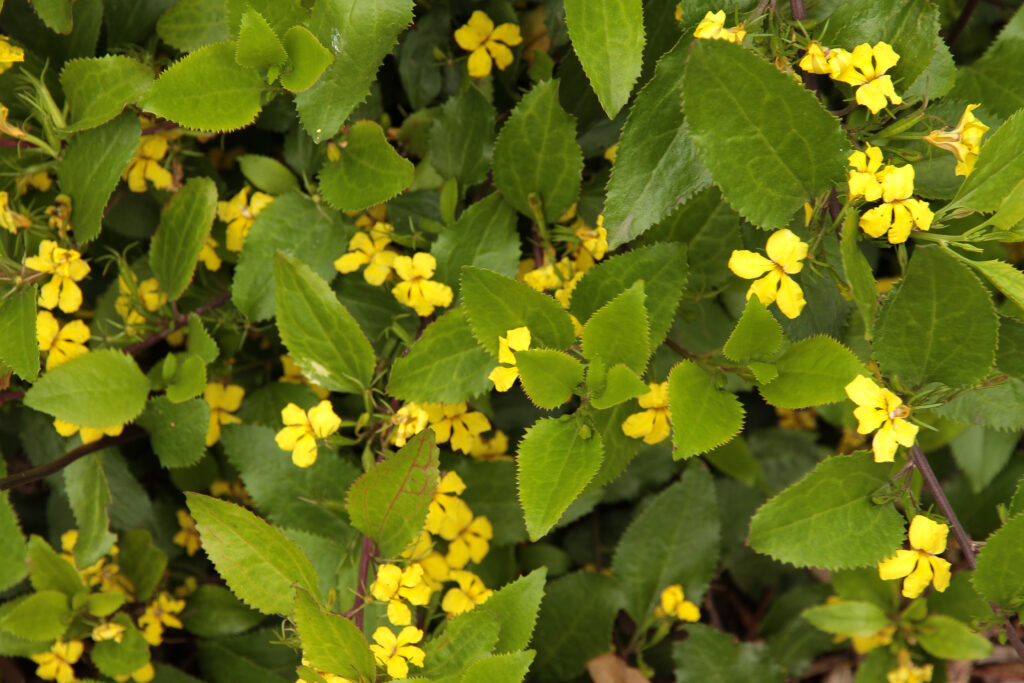
Big thanks to the year 11 students at Albert Park College making cuttings for Goodenia ovata – Hop Goodenia- at the compound in Westgate Park.
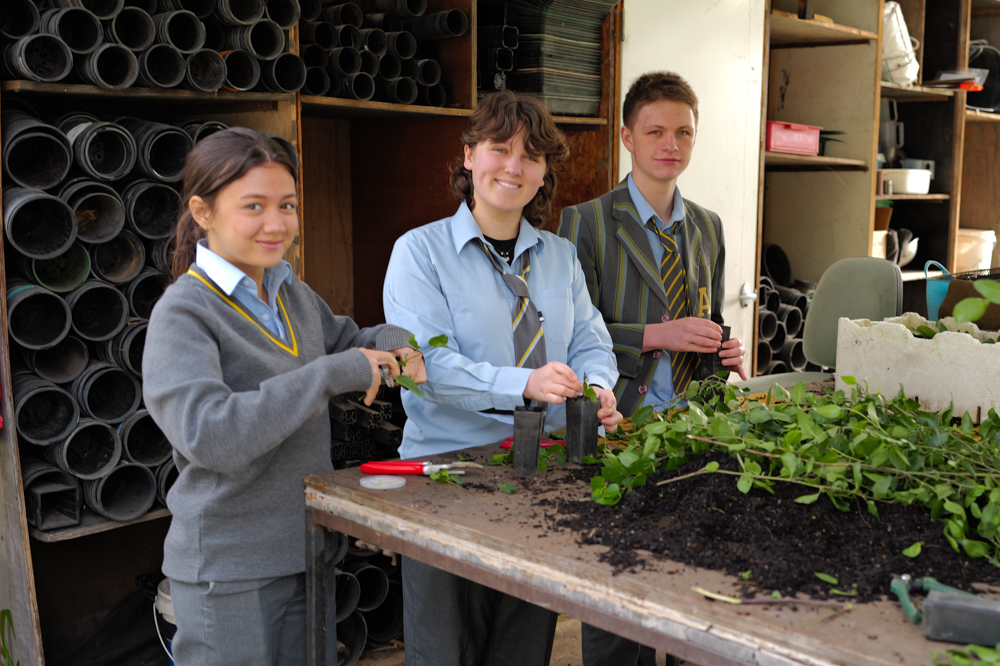
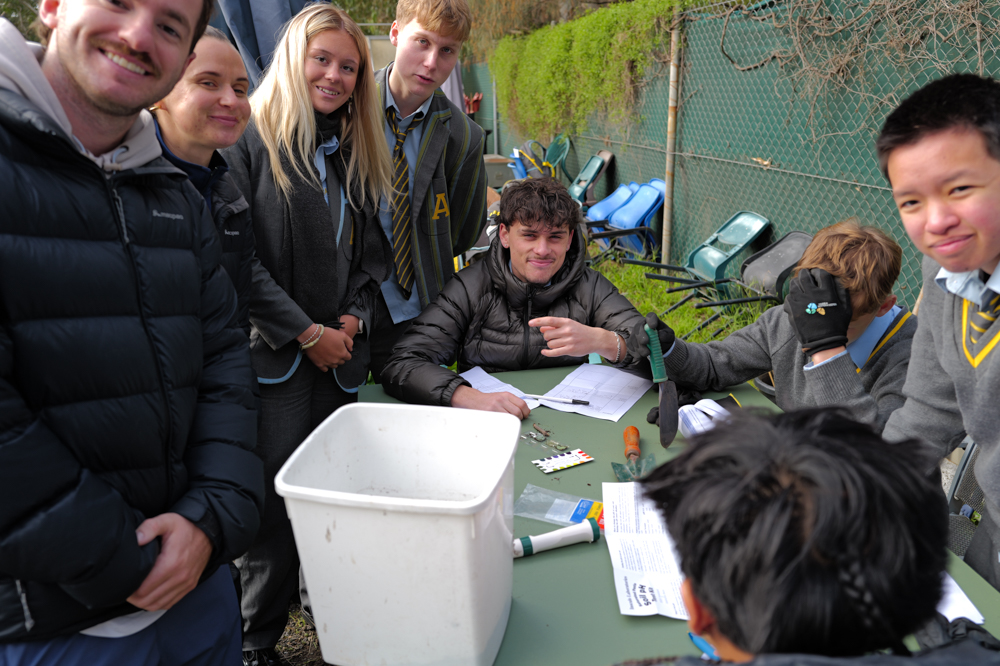
This sturdy indigenous shrub is quick to regrow after a long period of dry weather and these fresh cuttings are already shooting after just two weeks. Goodenia ovata grows in full sun or full shade so great in most gardens. It also comes back quickly after fire and grows in most habitats.
Above right: Students were discovering whether the soil in our compound is acidic, neutral or alkaline. This Ph testing helps us understand which plants should be used in which soils so they are healthier and more disease resistant.
An intro to microbats and monitoring
Event 4pm Saturday 3 October, meet at BBQ shelter in Westgate Park, near the main carpark on Todd Road, Port Melbourne.
Microbats are small, nocturnal, and highly diverse flying mammals that are essential for insect control and ecosystem balance in Australia. They exhibit remarkable adaptability in roosting and feeding, rely on echolocation for hunting, and require freshwater and conservation to ensure their survival in both natural and urban environments
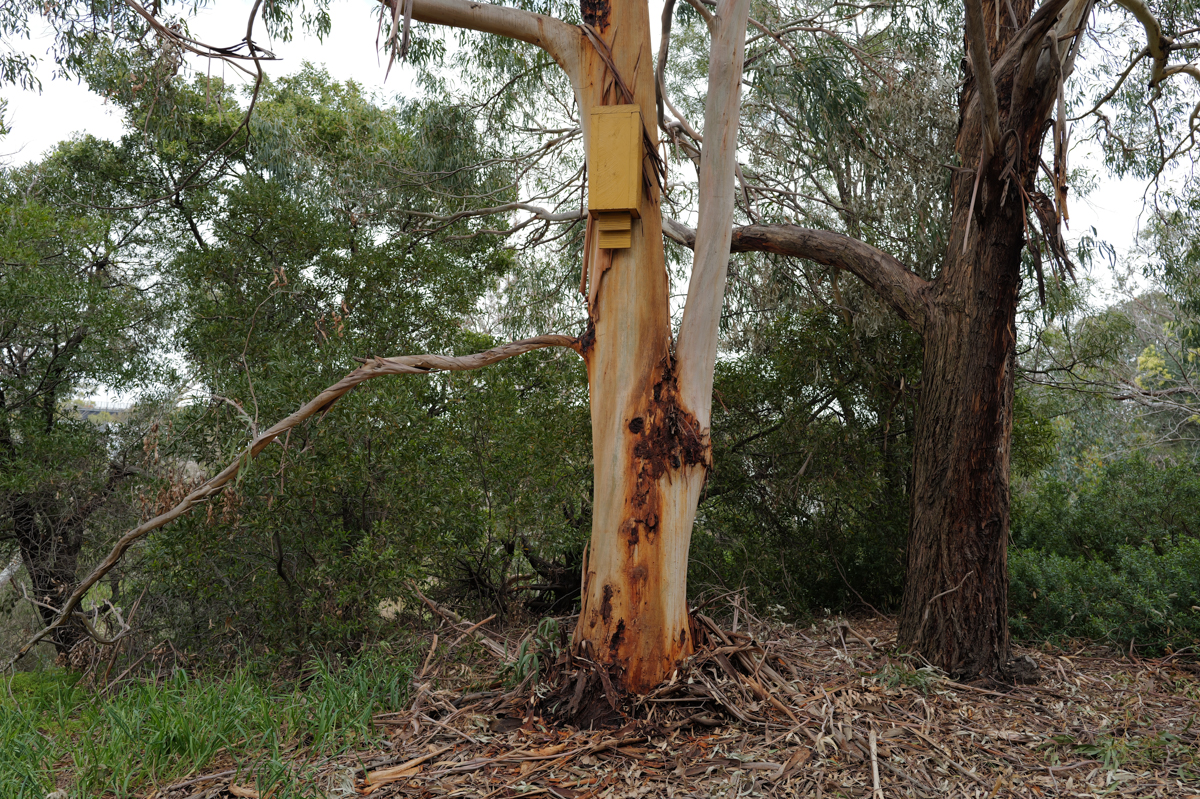
Trees were planted in 1999 so are not old enough to have formed natural roosts. As part of our Citizen Science program first we monitor 30 bat boxes for microbats while walking around Westgate Park next to the Yarra river and nearby freshwater lakes. At dusk we check for flying microbats with echo meters to determine what species are present by the different shapes of spectrograms produced.
You will definitely see possums, water birds, fairy wrens; maybe an owl or rakali
Wear warm clothes, boots and mosquito repellent.
This is a fair weather dependant event.
Half a million fungi records and counting!
By Tom May
Sometime around the middle of the day on Saturday 18 May 2024, the number of fungi observations for Australia on iNaturalist ticked over 500,000. I was hoping to see the half millionth record as it came in, but just on this one day, more than 900 observations were posted, one every one to two minutes, covering more than 200 species.
Among the records submitted today were species from the first set of 100 Fungimap targets such as Cortinarius archeri, Cookeina tricholoma and Cruentomycena viscidocruenta, along with other distinctive fungi such as Mycena kurramulla and Phaeolus schweinitzii.
I remember from the early days of Fungimap that it took more than two years to reach 1,000 observations! It is a thrill to see the current rate of observing on iNaturalist, with Australian fungi observations contributed by more than 12,500 observers.
More than 3,000 species are represented among these Australian fungi observations, but the observations to Research Grade (see below) cover around 1500 species, for which there are a little over 140,000 observations. In other words, only around a quarter of all observations have been confidently identified to species.
Many of the observations not identified to species are because necessary features are not shown (there are many top-only views of mushrooms!). However, among unidentified images there are still gems awaiting identification or confirmation of the original identification.
Last week I came across Pseudoinonotus chondromyelus for the first time and when submitting my observation I found that there was just one previous observation on iNaturalist that I could then confirm as Research Grade.
Among the species with observations not yet to Research Grade there are quite a few that are reports of Northern Hemisphere species, not otherwise confirmed from Australia, such as Cortinarius croceus or Macrolepiota procera. From time to time, I check and re-identify these erroneous records.
It is heartening to see that for the fungi records from Australia, there are now more than 3600 identifiers, including some very active identifiers. This means that records suitable for Research Grade tend to be identified quite rapidly.
Almost 100,000 iNaturalist fungi observations are tagged as belonging to the Fungimap Australia project – which has the advantage that host and habitat are recorded for all these observations.
iNaturalist observations continue to extend the range of known species and add images of species rarely reported. I expect that it will not take too many years now to reach 1 million observations.
The numbers above were tallied for observations eligible for Research Grade. Research Grade observations are where more than 2/3 of the identifications agree, and there are two or more identifications. Data was extracted using the filter facility of iNaturalist, including the date, rank (for species and below) and project filters.